
Hello, travelers! I’m Matatabi Taro, your adventurous feline guide on a quest to uncover Japan’s hidden scenic wonders and culinary delights.
When visiting Japan, many foreign tourists flock to the famous cities of Tokyo, Kyoto, and Osaka, following the well-trodden Golden Route. But if you’re yearning for “the true spiritual landscapes and local foods unknown to most”, then there’s a hidden gem you simply cannot miss. Let me introduce you to the enchanting Yamagata Prefecture in the Tohoku region!
Yamagata is not only a sacred land for the spiritual practice of Shugendo (Mountain Asceticism) but also a quirky noodle paradise boasting the highest ramen consumption in Japan. Today, I’m thrilled to share a journey that will shake your soul with mystical sights and satisfy your hunger with ultimate local noodles in Yamagata Prefecture!
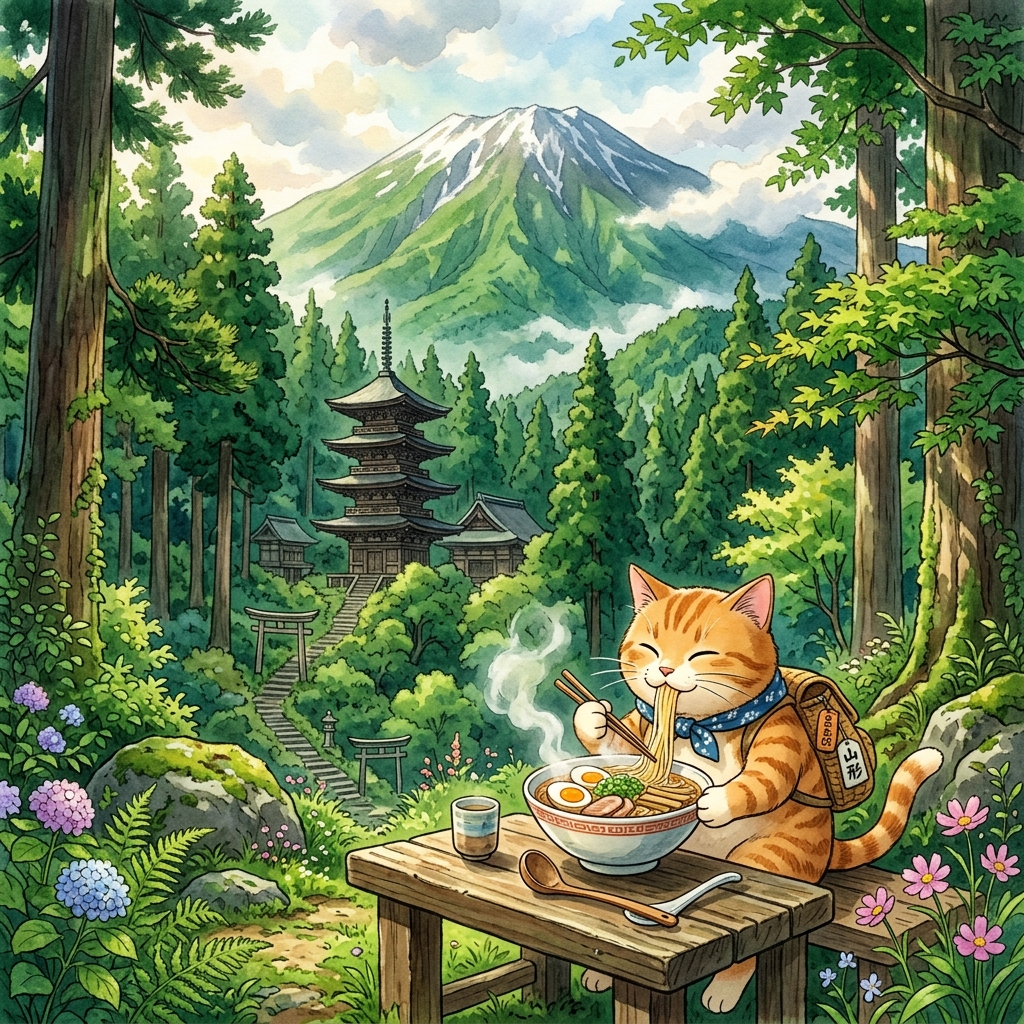
What Makes Yamagata Unique? (Regional Characteristics of Yamagata)
Nestled on the Sea of Japan side of the Tohoku region, Yamagata Prefecture is a place where Japan’s "original landscapes" are vividly preserved, offering a truly unique experience.
- Four Distinct Cultural Areas: Yamagata is divided by towering mountains into four areas: Murayama, Okitama, Shonai, and Mogami. Each area boasts its own distinct dialect and culinary culture! Traveling through Yamagata is like exploring four different countries all in one prefecture.
- Extreme Seasons and Snow’s Bounty: Known for its heavy snowfalls that can exceed 2 meters in winter, Yamagata also experiences hot summers. This sharp contrast in climate nurtures sweet and delicious fruits, like Japan’s most famous cherries, and exquisite Yamagata Beef.
- Hot Springs in Every Municipality: Astonishingly, every city and town in Yamagata has its own onsen (hot springs)! After a rigorous spiritual journey or a ramen tour, you can rejuvenate in these heavenly hot springs, making it a paradise for travelers.
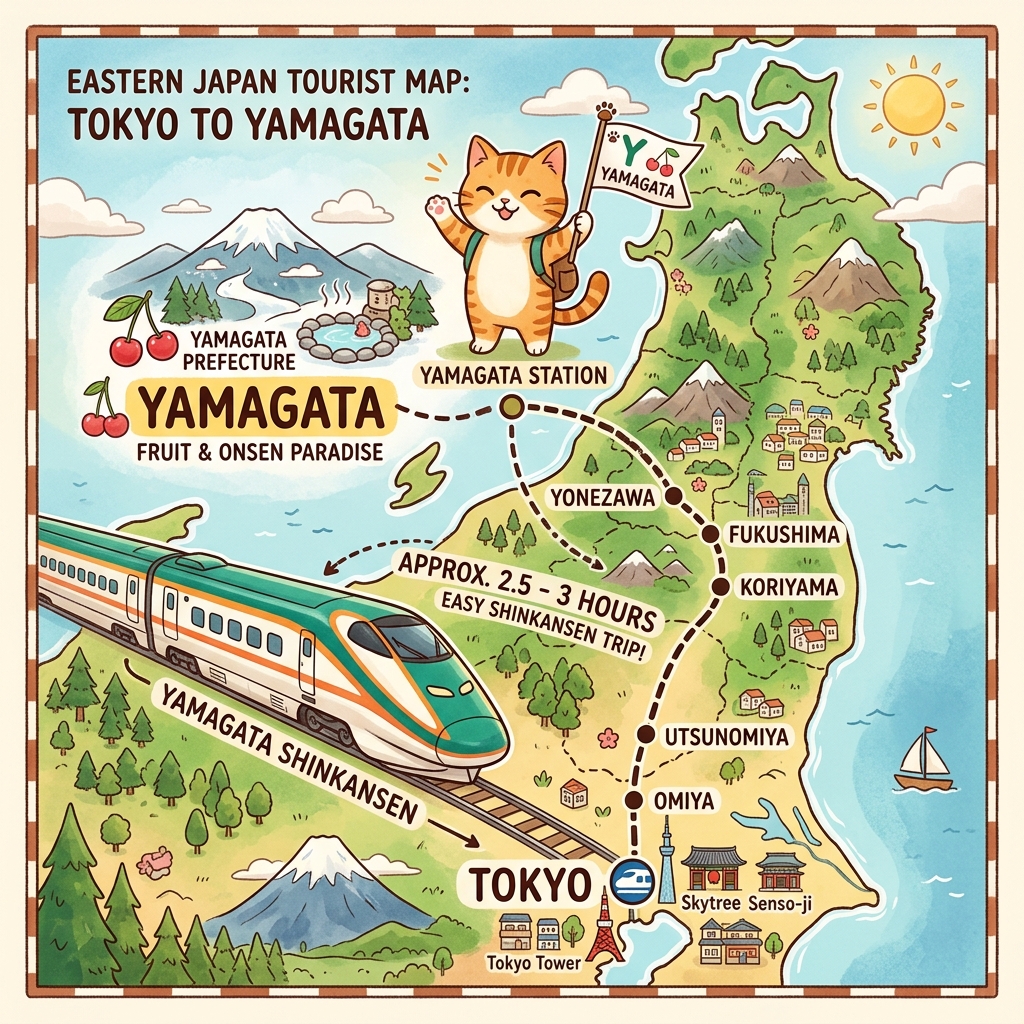
Though it might seem far, Yamagata is easily accessible for foreign tourists, as you can reach it from Tokyo Station on the Yamagata Shinkansen without needing to transfer!
Part 1: The Spiritual Heights
The mountains of Yamagata have long been revered as sacred places where deities reside. Here, you can embark on a spiritual journey amidst breathtaking nature.
1. Yamadera (Risshakuji Temple) – 1015 Steps to the Sky Fortress
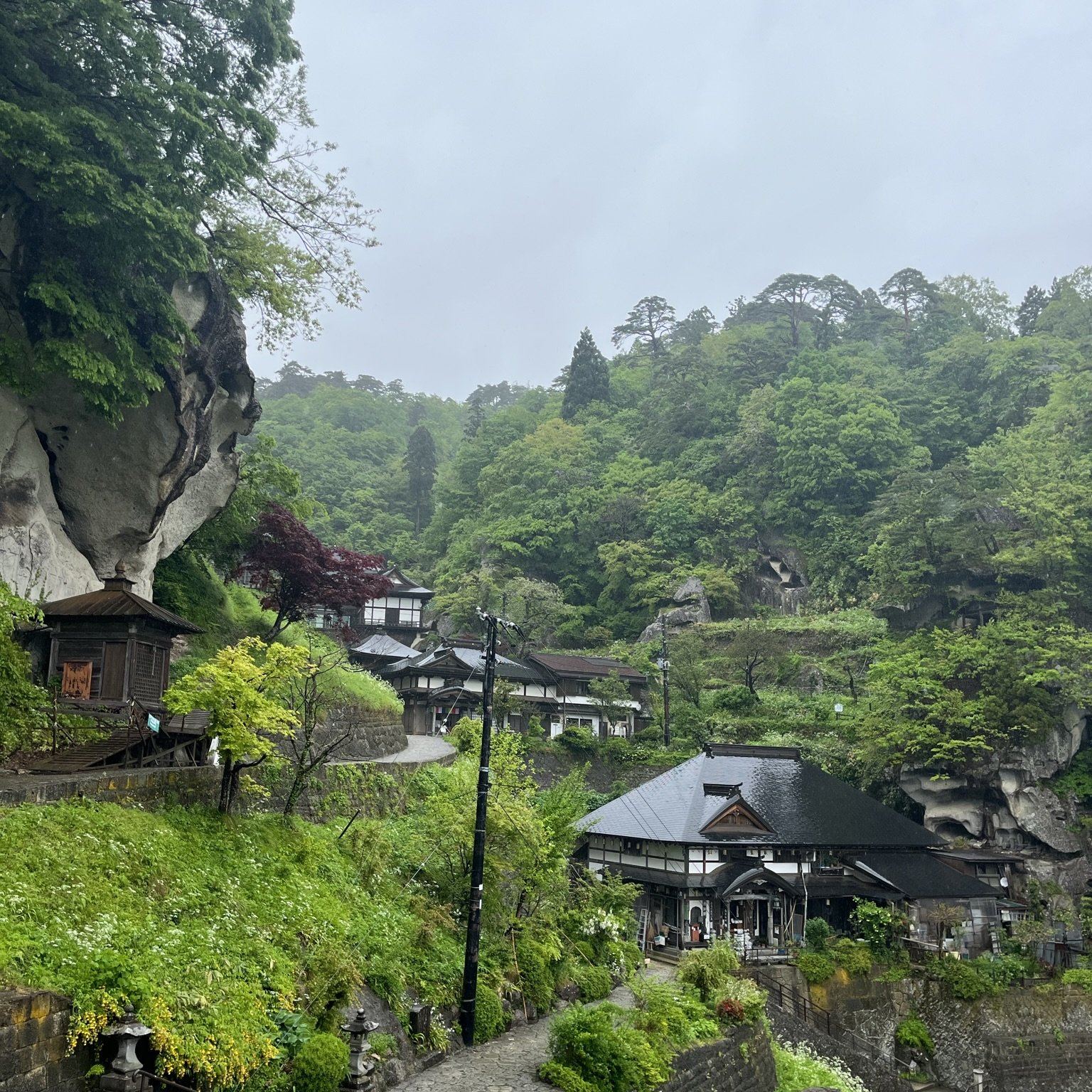
Formally known as Risshakuji, this temple perched on a steep cliff resembles a fortress in the sky. To reach the inner sanctuary at the top, you’ll need to climb 1,015 stone steps, with each step believed to cleanse you of worldly desires. It’s also the site where Japan’s most famous haiku poet, Matsuo Basho, composed his renowned verse about the cicada’s voice penetrating the rocks.
- Access: From Tokyo Station (JR-TYO / M-17), take the Yamagata Shinkansen to Yamagata Station (about 2 hours 45 minutes). Transfer to the JR Senzan Line and get off at Yamadera Station, then walk for about 5 minutes.
- Hours: 8:00 AM–3:00 PM (closing at 5:00 PM, varies by season)
- Official Website: Risshakuji Temple
2. Mt. Haguro – Ancient Cedar Avenue and a National Treasure Pagoda
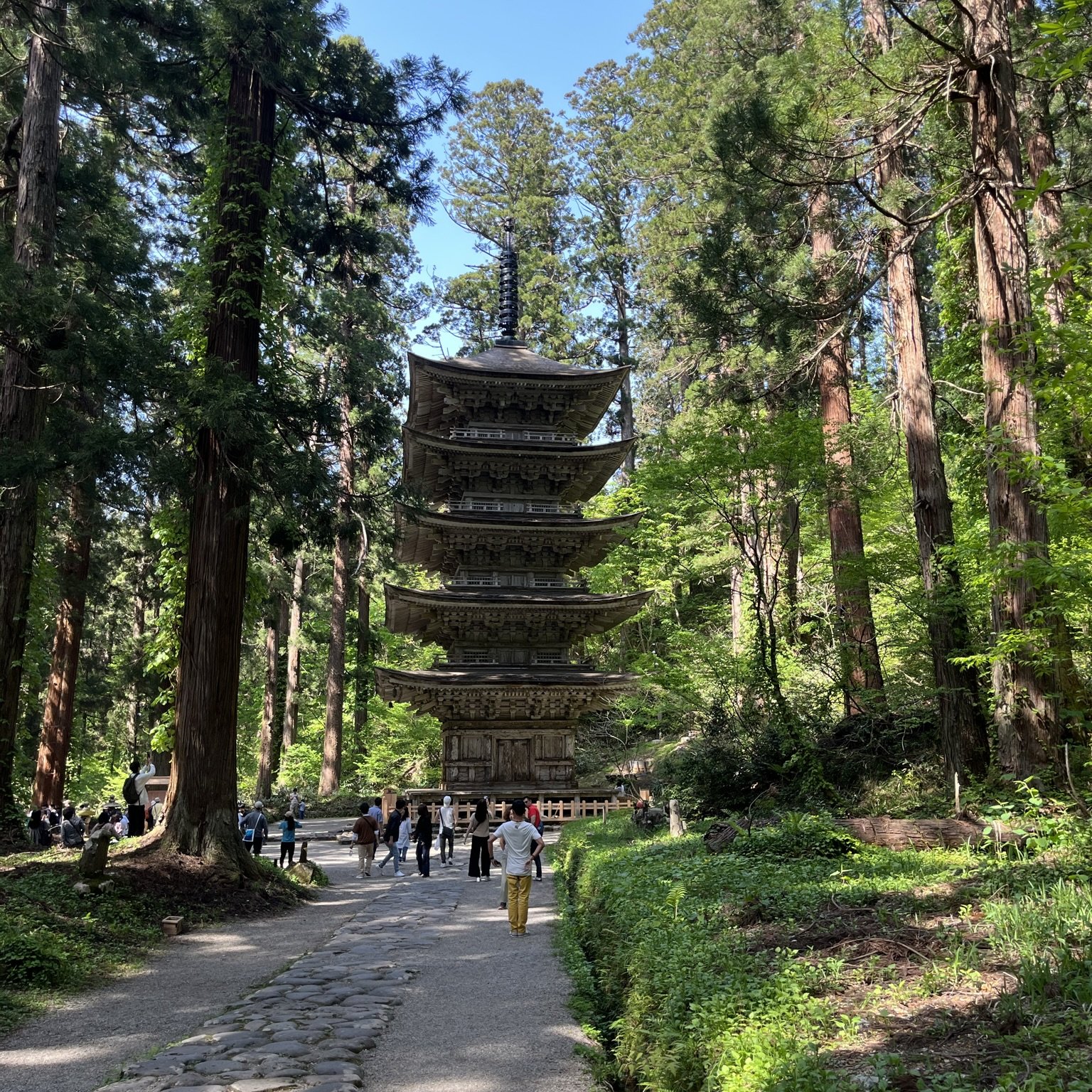
One of the three sacred mountains of Dewa Sanzan, Mt. Haguro represents the "Present". Wander through a mystical forest of cedar trees over a thousand years old to discover the stunning wooden five-story pagoda, designated a National Treasure. The serene forest and the pagoda’s splendor are truly awe-inspiring.
- Access: From Shonai Airport (SYO), take a bus to Tsuruoka Station. Alternatively, from Tokyo Station (JR-TYO / M-17), take the Joetsu Shinkansen to Niigata Station, then transfer to the Inaho Limited Express to Tsuruoka Station. From there, take a bus to Haguro Zuijinmon.
3. Mt. Gassan – The Mountain of Gods and "Death and Rebirth"
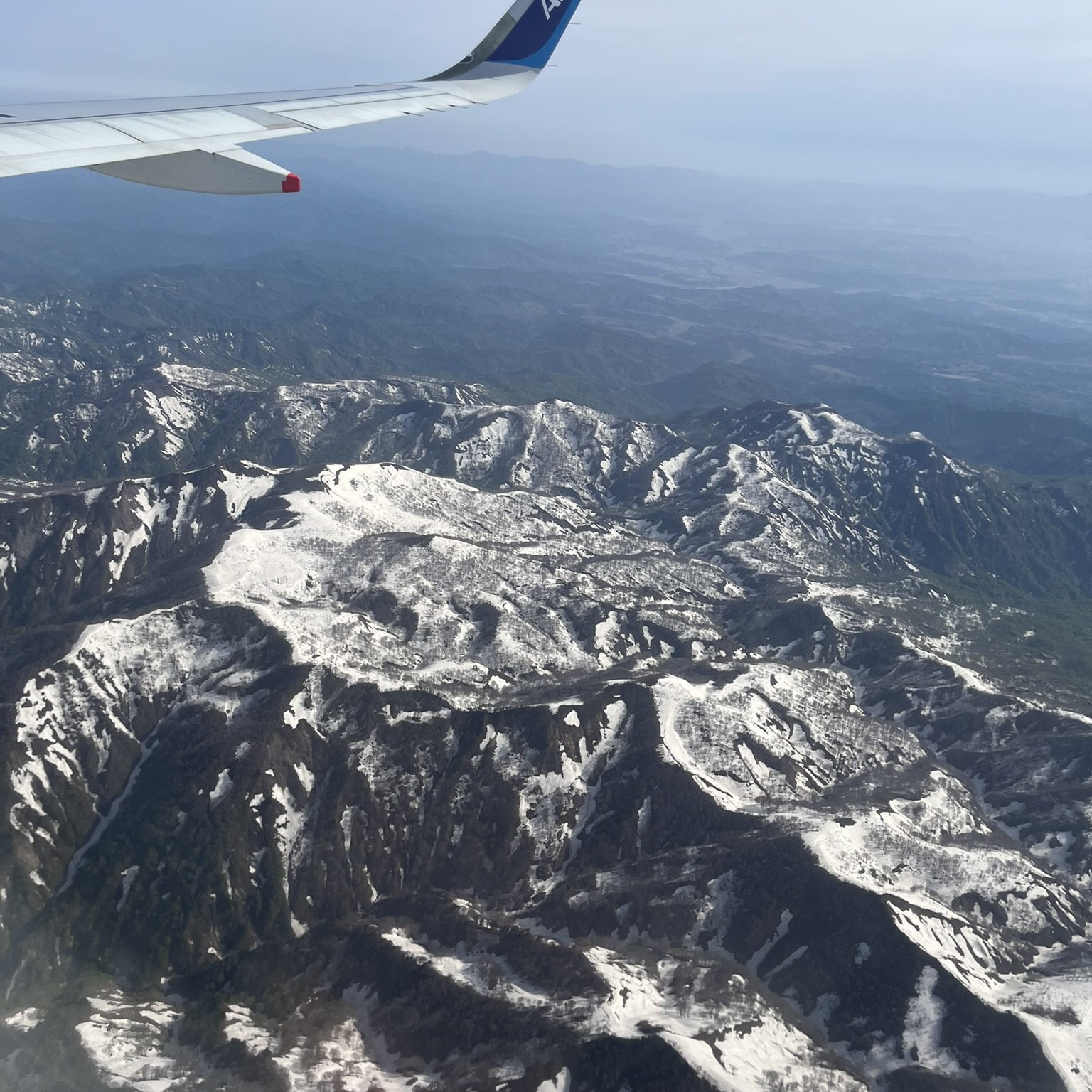
Standing tallest among Dewa Sanzan, Mt. Gassan symbolizes the "Past" and the afterlife. At an elevation of 1,984 meters, this sacred mountain is snowbound in winter but transforms into a paradise of blooming alpine plants in summer. Uniquely, you can ski here in summer due to the abundant snow!
- Access: Take a bus from Tsuruoka Station to the 8th station on Mt. Gassan (summer-only service; renting a car is highly recommended).
Part 2: The Noodle Kingdom
Feeling hungry after trekking those sacred mountains? Fear not! Yamagata is a secret ramen powerhouse, boasting the highest ramen consumption and number of ramen shops per household in Japan! Here, you’ll find unique and delicious local noodles you can’t taste in Tokyo.
4. Ryu Shanghai – The Original Akayu Spicy Miso Ramen
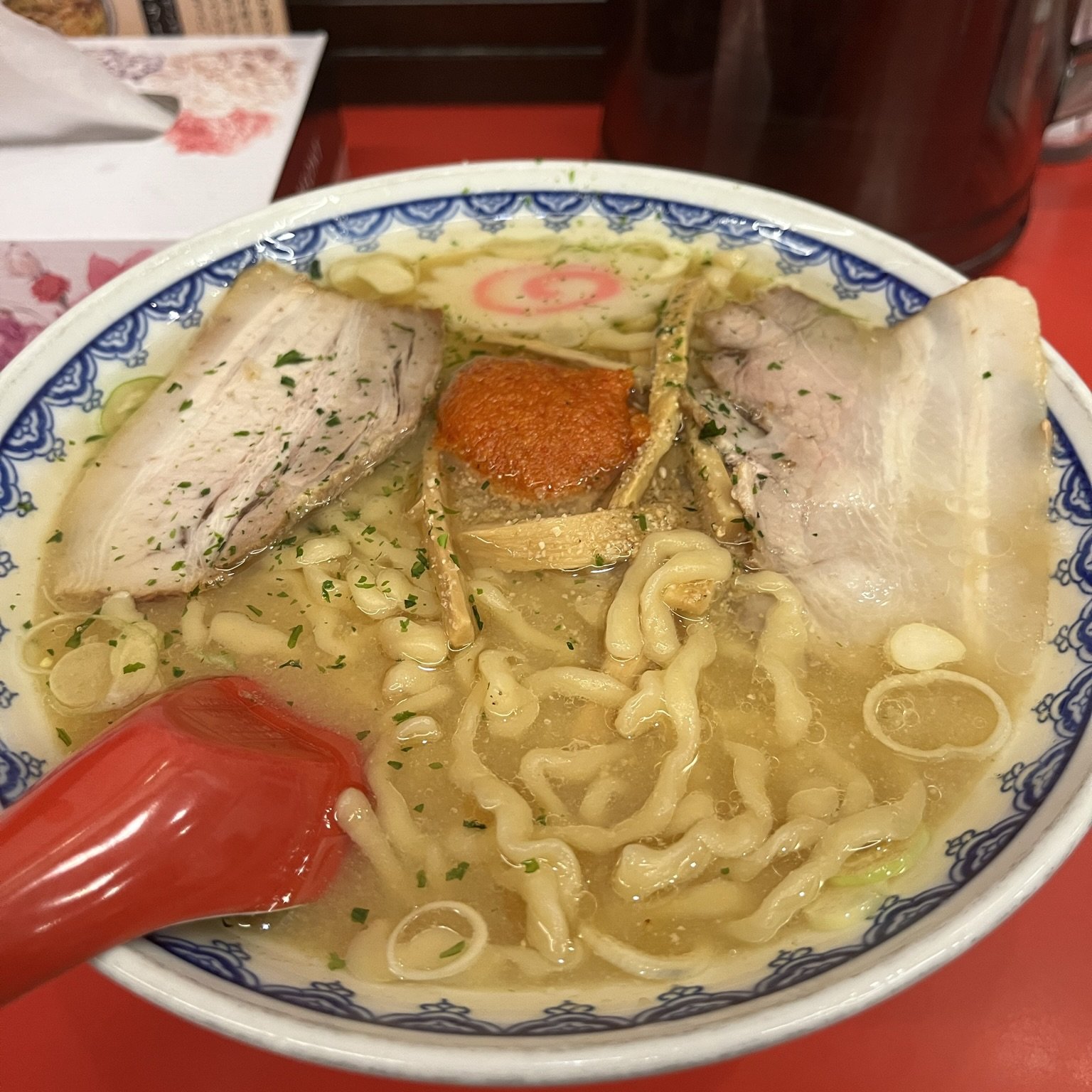
Known as the birthplace of Japan’s "Spicy Miso Ramen," this legendary shop serves a rich, flavorful miso broth with a fiery red ball of spicy miso, packed with chili and garlic, on top. As you enjoy the chewy curly noodles, mix the spicy miso into the broth for an increasingly bold and addictive flavor.
- Access: From Tokyo Station (JR-TYO / M-17), take the Yamagata Shinkansen to Akayu Station (about 2 hours 20 minutes). From Akayu Station, it’s a 20-minute walk or a 5-minute taxi ride.
- Hours: 11:30 AM–7:00 PM
- Closed: Wednesdays
- Official Website: Ryu Shanghai
5. Tori Chuka – The Miracle Hybrid Noodles Born from a Soba Shop
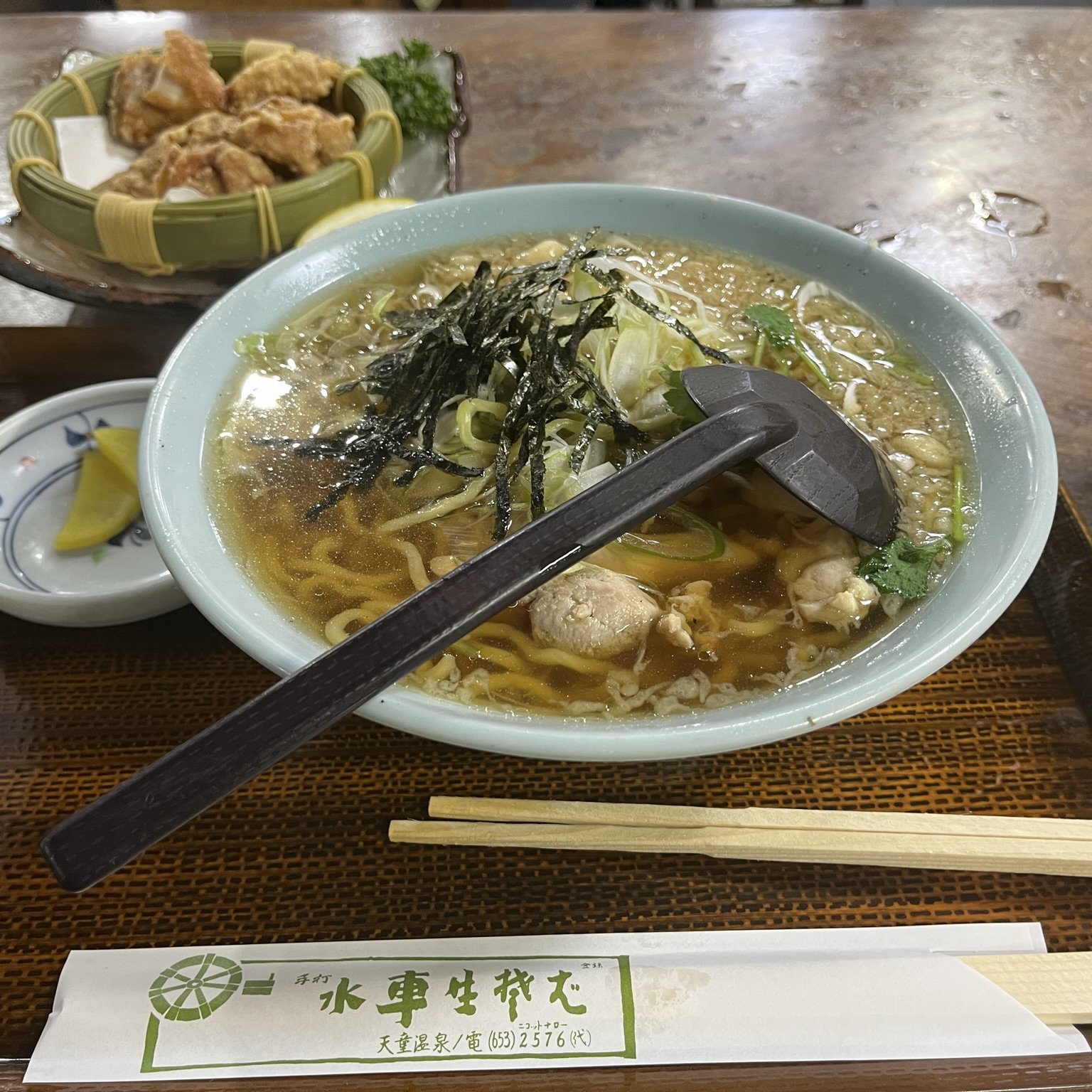
"Tori Chuka" is a Yamagata original, a fusion of soba and ramen cultures! Originating from the Suisha Kizoba in Tendo City, it features ramen noodles in a sweet, dashi-rich soba broth topped with chicken and tempura flakes. It’s light yet deeply flavorful.
- Access: From Tokyo Station (JR-TYO / M-17), take the Yamagata Shinkansen to Tendo Station (about 2 hours 40 minutes). From Tendo Station, it’s a 15-minute walk.
- Hours: 11:00 AM–11:00 PM (Suisha Kizoba)
- Closed: New Year’s Day only
- More Info: Tabelog
6. Kotohirasou – The Elusive Winter-Only Ramen
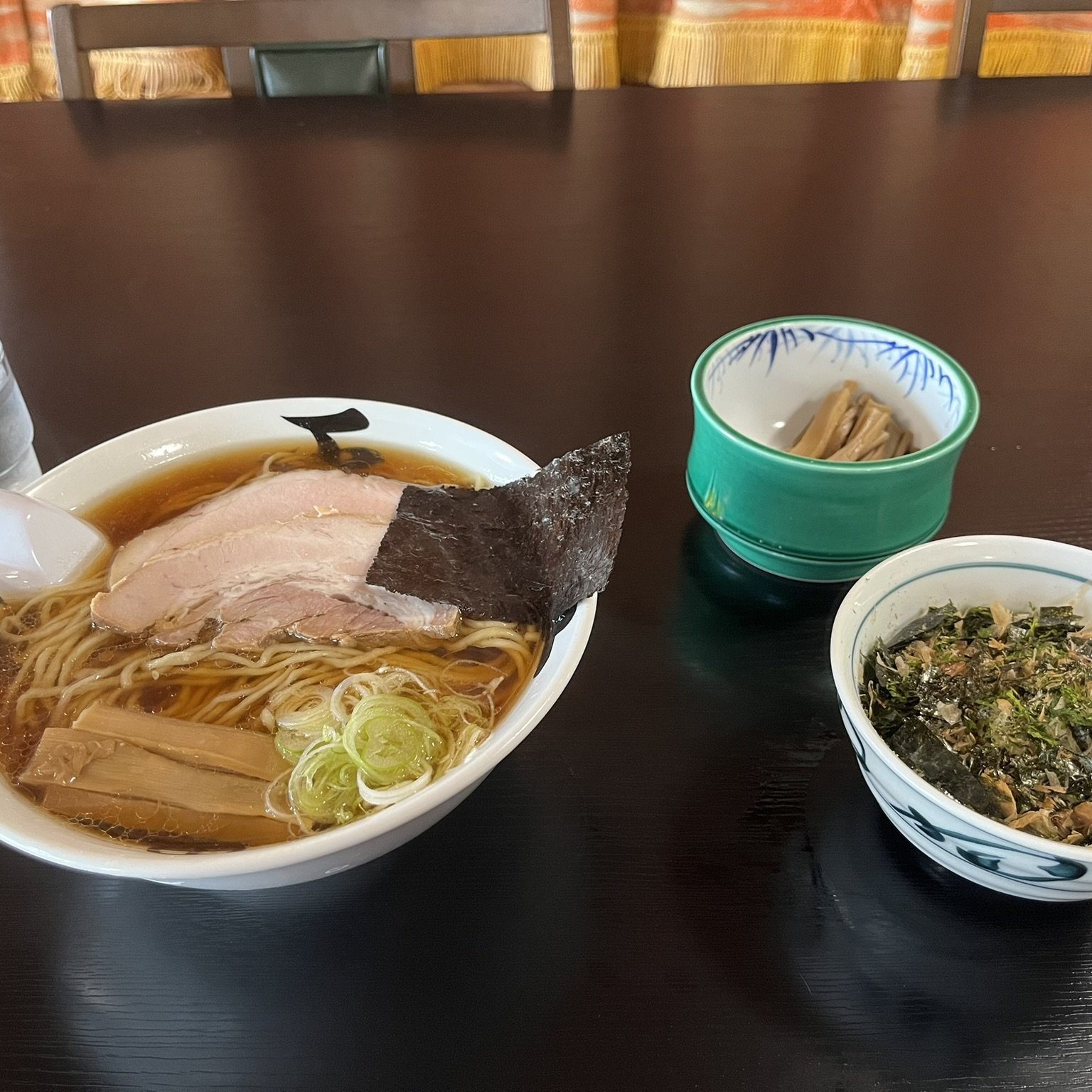
This rare ramen, served only during the quiet winter months at a seaside inn battered by the Sea of Japan, features a sublime soy sauce broth made with flying fish and chicken. Enjoying this ramen while seated on tatami, gazing at the wintry sea, makes for an unforgettable Yamagata highlight.
- Access: From Shonai Airport (SYO), take a bus to Tsuruoka Station. From there, take the JR Uetsu Main Line to Sanze Station, then walk for about 20 minutes.
- Hours: 11:00 AM–2:00 PM (Winter season only: October 1st to May 31st)
- Closed: Thursdays (Closed for ramen from June 1st to September 30th)
- Official Website: Kotohirasou
Message from Matatabi Taro
Mystical nature and passionate, quirky local ramen—how did you find them?
While traveling the Golden Route offers its own wonders, by venturing a bit further to Yamagata, you can discover the "real Japan" that you won’t find on the cover of guidebooks. Walking through cedar-lined paths that have stood for centuries, purifying your soul, warming your chilled body in hot springs, and savoring steaming hot ramen beloved by locals… Just imagining it makes my paws tremble with excitement!
The true joy of travel lies in experiencing the deep-rooted culture of each land. From Tokyo, a single Shinkansen ride brings you to this ultimate hidden gem. Take the first step on this adventure, and you’ll find experiences as precious as treasures waiting for you!
A Note from OHA: The Real Yamagata Experience
(A quick message from my human companion and photographer, OHA!)
“Every temple I visited in Yamagata required climbing endless, exhausting stone steps. What I originally planned as a relaxing sightseeing trip quickly turned into what felt like rigorous ascetic mountain training! (Shugendo is no joke!)
To reward myself, I visited the legendary Ryu Shanghai ramen shop during a long holiday. The catch? I had to stand in line for exactly 3 hours before I finally got to eat my bowl of spicy miso ramen. As I stood there waiting, I couldn’t help but wonder… was this just another form of ascetic training?
Repeating this cycle of intense exercise (climbing endless stone steps) followed by heavy eating (devouring rich ramen), I am left with a profound question: Have I actually become healthier, or the exact opposite? I suppose I will need to ask the Buddha for the answer.”