Uncovering Osaka Castle: From Bloody Sieges to Modern Soul Food

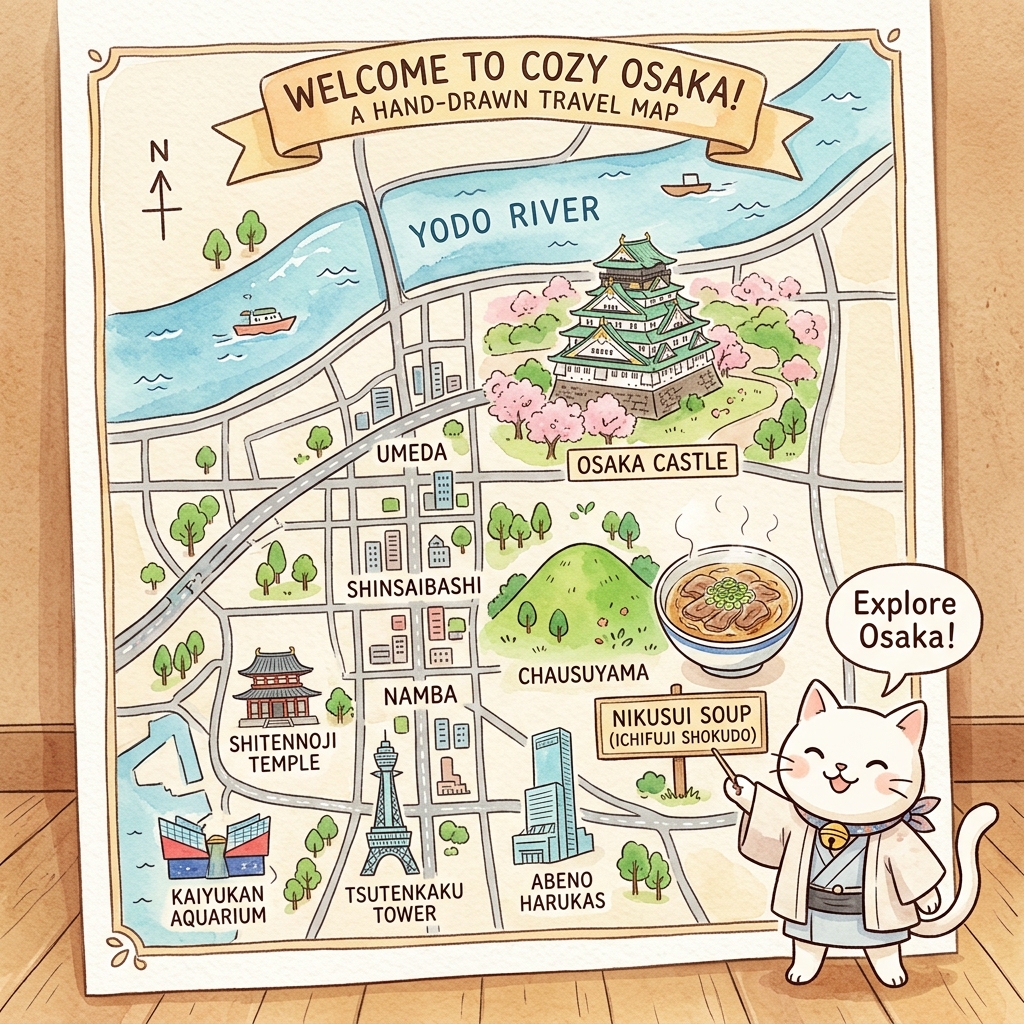
Osaka Illustrated Map

Osaka Castle is the absolute symbol of Osaka City, dominating the skyline with its massive stone walls, deep moats, and brilliant gold-leafed ornaments. But for many international tourists, taking a quick selfie in front of the main keep (Tenshukaku) is where the journey ends.

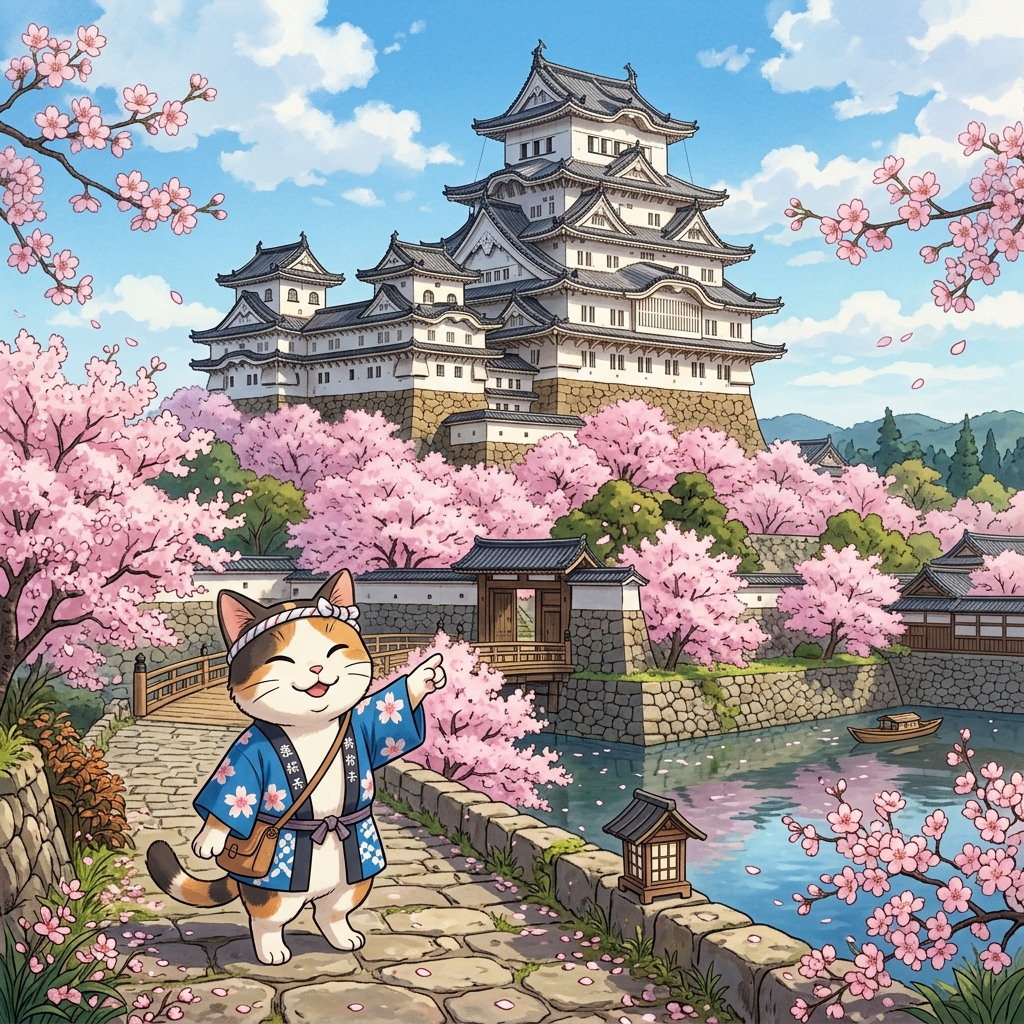
As your feline guide Matatabi Taro, I’m here to tell you that doing so means missing out on one of the most intense, blood-soaked, and fascinating histories in all of Japan. Guided by my human companion OHA, we dive deep beneath the concrete reconstructions to uncover the real Osaka Castle—a fortress built upon layers of fierce religious resistance, samurai glory, and devastating artillery fire.

The 4 Eras of Osaka Castle: A History of Destruction and Rebirth

To truly understand Osaka Castle, you must realize that the ground you are walking on has been repeatedly wiped out and built over. The castle’s history can be divided into four distinct and dramatic eras.

1. The Pre-Castle Era: Ishiyama Hongan-ji (1496–1580)

Long before any castle existed, this high ground was occupied by Ishiyama Hongan-ji, a heavily fortified temple complex belonging to a powerful sect of warrior monks. The geography here is crucial: bounded by the Yodo River to the north and the Yamato River to the south, the Uemachi Plateau was a natural, impenetrable fortress.

When the legendary warlord Oda Nobunaga attempted to unify Japan, these monks became his greatest obstacle. The resulting Ishiyama Hongan-ji War lasted an agonizing 10 years (the longest siege in Japanese history) before the monks finally surrendered and burned their own temple to the ground.

2. The Toyotomi Era: Hideyoshi’s Golden Glory (1583–1615)

Following Nobunaga’s death, the great unifier Toyotomi Hideyoshi claimed the charred remains of the plateau and began constructing the original Osaka Castle. Hideyoshi spared no expense, blanketing the castle in gold leaf to flaunt his absolute wealth and power.

However, after Hideyoshi’s death, the Tokugawa clan rose to power, leading to the dramatic Siege of Osaka (The Winter and Summer Campaigns of 1614-1615). Despite fierce resistance, the Toyotomi clan was entirely annihilated, and Hideyoshi’s magnificent golden castle was reduced to ash.

3. The Tokugawa Era: Burying the Past (1620–1868)

To establish absolute dominance and erase the memory of the Toyotomi clan, the Tokugawa Shogunate took a drastic step: they completely buried the ruins of Hideyoshi’s castle under massive amounts of soil. They then built a completely new, even larger Osaka Castle on top of it.

The gigantic stone walls you marvel at today? They are not Hideyoshi’s walls. They are the Tokugawa walls, built by ordering feudal lords from across Japan to transport immense megaliths (huge stones) to Osaka. Tragically, this Tokugawa castle also burned down following a lightning strike in 1665.

4. The Meiji Era to Present: The Concrete Guardian (1931–Present)

For centuries, the castle sat without a main keep. After the Meiji Restoration, the grounds were used as a military armory. It wasn’t until 1931 that the citizens of Osaka successfully crowdfunded the reconstruction of the Main Keep.

Because the structure needed to survive modern threats, it was built using steel-reinforced concrete. Miraculously, while massive American air raids during WWII destroyed the surrounding armories and burned much of the city, the concrete keep survived. During the post-war era, the castle even served a unique civic duty: the military fired a blank cannon shot every day at noon to tell time for the citizens of Osaka!

Architectural Marvels: Built to Withstand Anything

The Hybrid Tenshukaku (Main Keep)
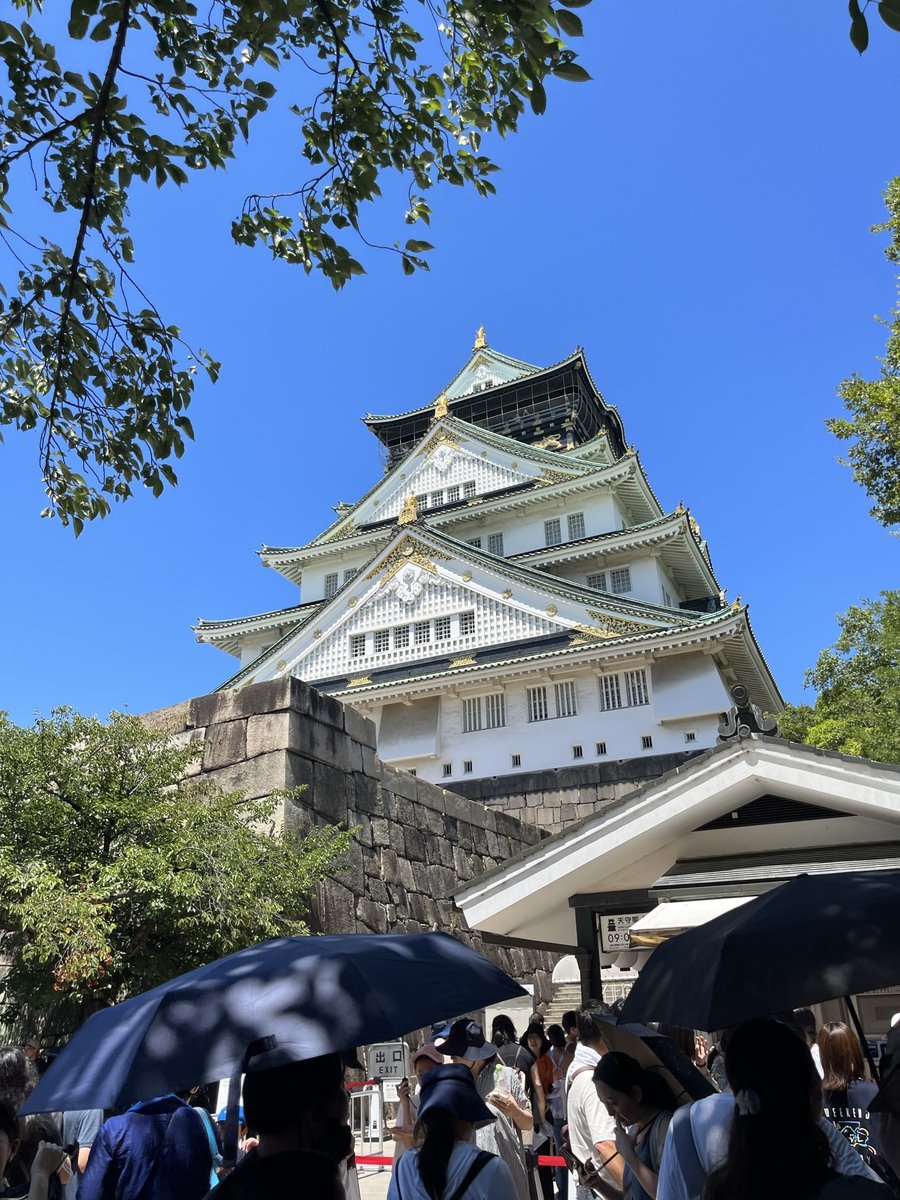
Osaka Castle Main Keep

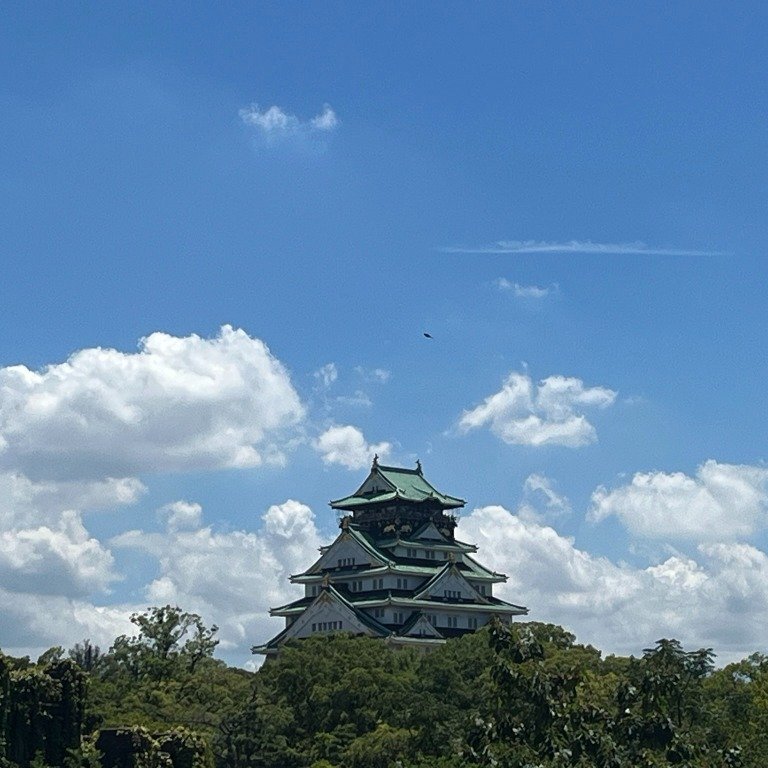
The current Main Keep is highly unique. It is a visual hybrid: the lower stories are designed to mimic the white-plastered Tokugawa style, while the top story features the black lacquer and golden tigers of Hideyoshi’s original vision. Today, the interior serves as a fantastic modern museum equipped with elevators, housing armor, weapons, and historical dioramas.

The Impregnable Moats and Stone Walls

The defining feature of Osaka Castle is its massive moats. The outer moats are incredibly wide, designed to keep enemy archers and matchlock guns out of range. The inner moats are dry in some sections and extremely deep. The sheer vertical drop of the stone walls (Ishigaki) is awe-inspiring. Notice the "Octopus Stone" near the Sakura Gate—it is an impossibly massive megalith weighing roughly 108 tons!

Surrounding Historical Sites: The Scars of the Siege

To truly appreciate the history, you must venture slightly outside the main park.

Sanadamaru: The Crimson Fortress
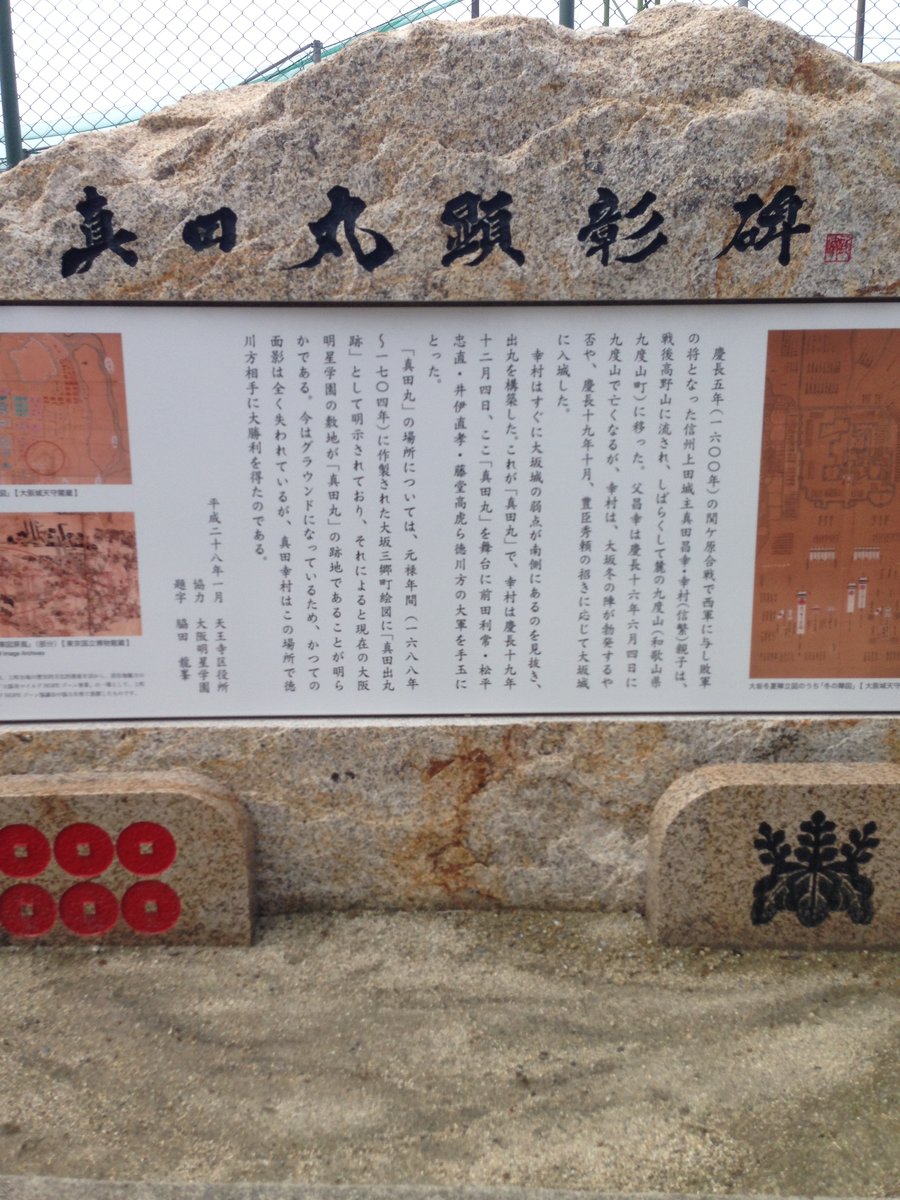
Sanadamaru Ruins

During the Winter Campaign of 1614, Tokugawa’s massive army laid siege to the castle. However, they found the southern approach heavily fortified by a brilliant tactical outpost known as Sanadamaru, commanded by the legendary warrior Sanada Yukimura. Here, Sanada’s forces inflicted devastating casualties on the Tokugawa army, famously repelling their advances. Today, a monument stands at the site of this legendary fortification.

The Culverin Cannons (Garubarin-ho)

Frustrated by the impenetrable walls and the Sanadamaru, Tokugawa Ieyasu resorted to psychological warfare. He procured massive British-made Culverin cannons and Dutch Saker cannons. These devastating weapons fired directly into the main keep where Hideyoshi’s widow, Yodo-dono, was residing. The sheer terror and destruction caused by this foreign artillery ultimately forced the Toyotomi to sue for peace—a decision that ultimately sealed their doom.

Chausuyama: Ieyasu’s Headquarters

Just a short distance away lies Chausuyama (within Tennoji Park). While long believed by locals to be an ancient keyhole-shaped burial mound, recent excavations have shown it to be a natural strategic hill. This elevated area served as Tokugawa Ieyasu’s main headquarters during the Winter Campaign of 1614. Ironically, it later served as Sanada Yukimura’s final command post during the tragic Summer Campaign of 1615. Standing on this hill offers a chilling perspective of how the warlords surveyed the battlefield before closing in on their enemies.

Local Gourmet: Recovering at Ichifuji Shokudo

Exploring Osaka Castle’s massive grounds is exhausting work. When hunger strikes, skip the tourist traps and head to where the locals eat.

Ichifuji Shokudo (一富士食堂)
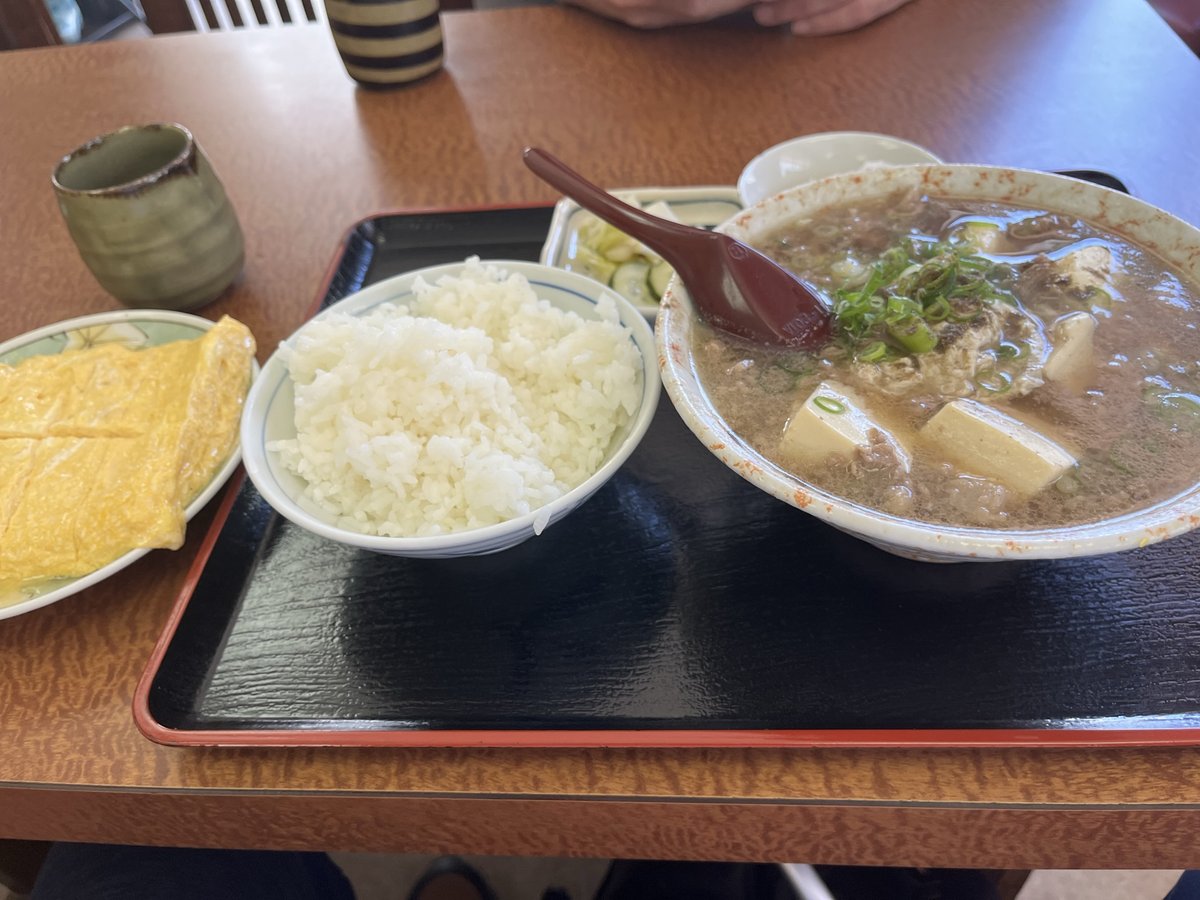
Ichifuji Shokudo Authentic Gourmet

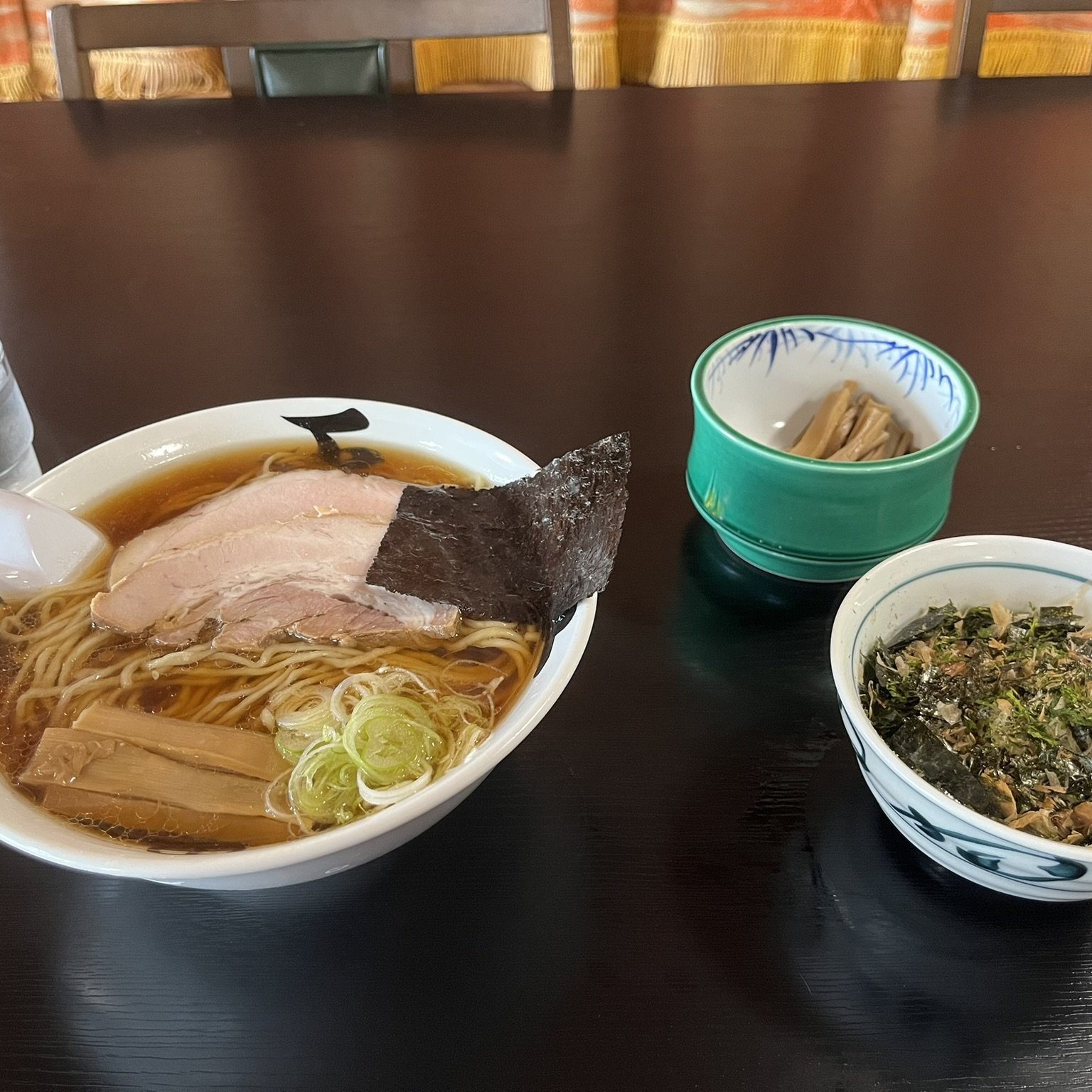
Located in the neighboring Minamimorimachi/Tenma area, Ichifuji Shokudo is an absolute institution of Osakan soul food. It is an old-school, unpretentious diner (Shokudo) that serves food meant to warm the soul.

  • Nikusui (肉吸い): This is an iconic Osaka dish—essentially a rich, savory beef udon broth, but without the udon noodles! It is packed with tender beef and green onions, offering a deep umami hit.
  • Dashimaki Tamago (だし巻き卵): Their traditional rolled omelet is incredibly fluffy and oozing with delicate dashi (savory broth). It is the ultimate comfort food after a long day of walking.

A Note from OHA: The Real Osaka Castle Experience

(A quick message from my human companion and photographer, OHA!)

"My very first encounter with Osaka Castle wasn’t from a history textbook—it was watching the classic tokusatsu series Ultraman, specifically the iconic scene where the ancient kaiju (monster) Gomora rampages through the streets of Osaka and absolutely destroys the castle keep.

In the story, Gomora had been sleeping peacefully underground for 10,000 years before being awakened by humans who wanted to transport it to a museum as a mere spectacle. During transport, it fell into Osaka and, naturally, wreaked havoc.

Right now, massive excavation projects are underway at Osaka Castle to dig up and investigate the buried stone walls of the original Toyotomi era, awakening a history that has slept underground for over 400 years. Looking at those deep trenches, I can’t help but wonder… what exactly will humanity awaken next?"

[Matatabi Taro’s Travel Tip]

Navigating Osaka requires a lot of walking and quick pit stops! Make sure you are prepared for your daily supply runs by checking out our Ultimate Convenience Store Survival Guide!
Unraveling the Mystical World of Attack on Titan: A Journey to Hita, Oita Prefecture

Meow! Hello, fellow travelers and "Attack on Titan" enthusiasts! I’m Matatabi Taro, your purr-fectly charming travel guide and insider cat mascot, here to whisker you away on an unforgettable journey to Hita City, nestled in the enchanting Oita Prefecture. This quaint city is not just a picturesque Japanese locale; it is the real-world birthplace of the legendary "Attack on Titan" creator, Hajime Isayama. So, buckle up and get ready to explore Hita City, where fantasy and reality harmoniously collide!
Location & Access to Hita (How to Get There)

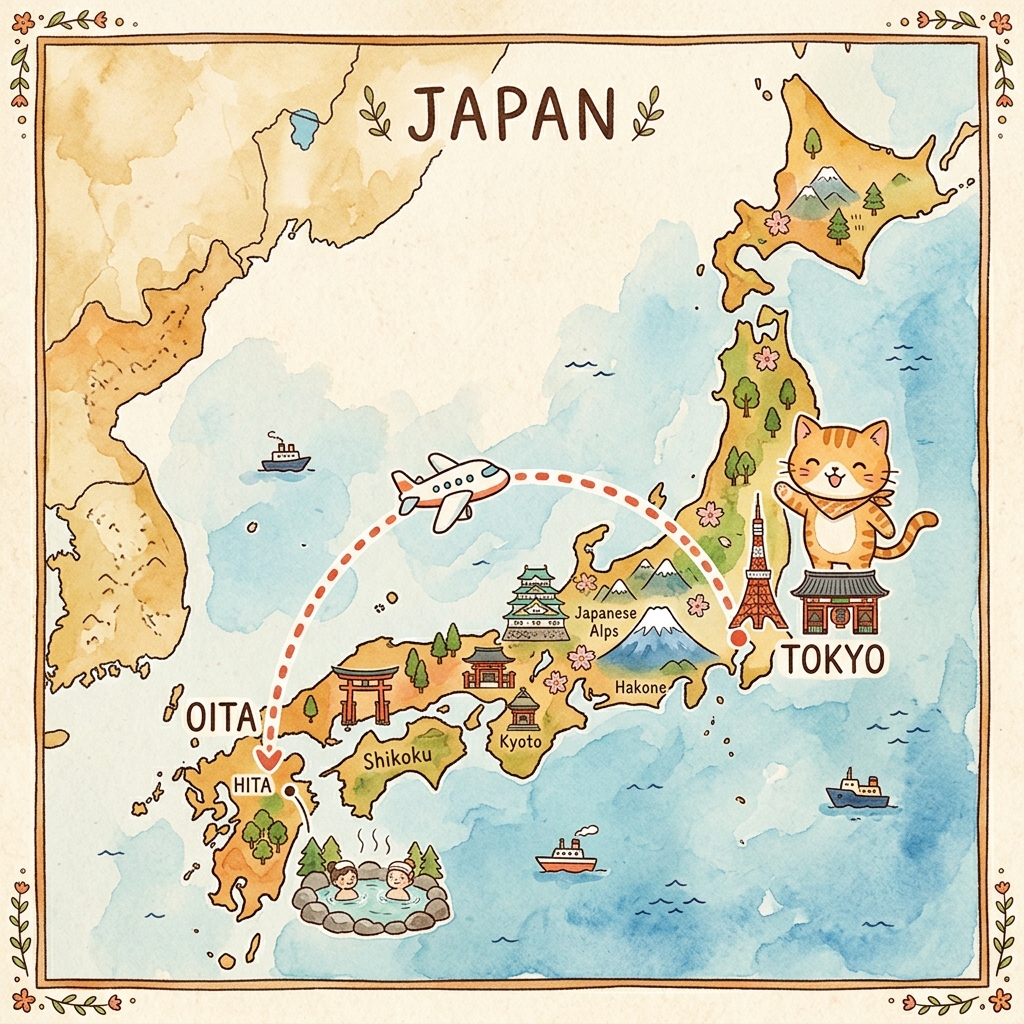
Thinking of traveling from Tokyo to Hita? No problem! The journey begins with a flight from either Haneda or Narita Airport to Fukuoka Airport or Oita Airport. Once you land, the adventure truly begins!

Map of Japan

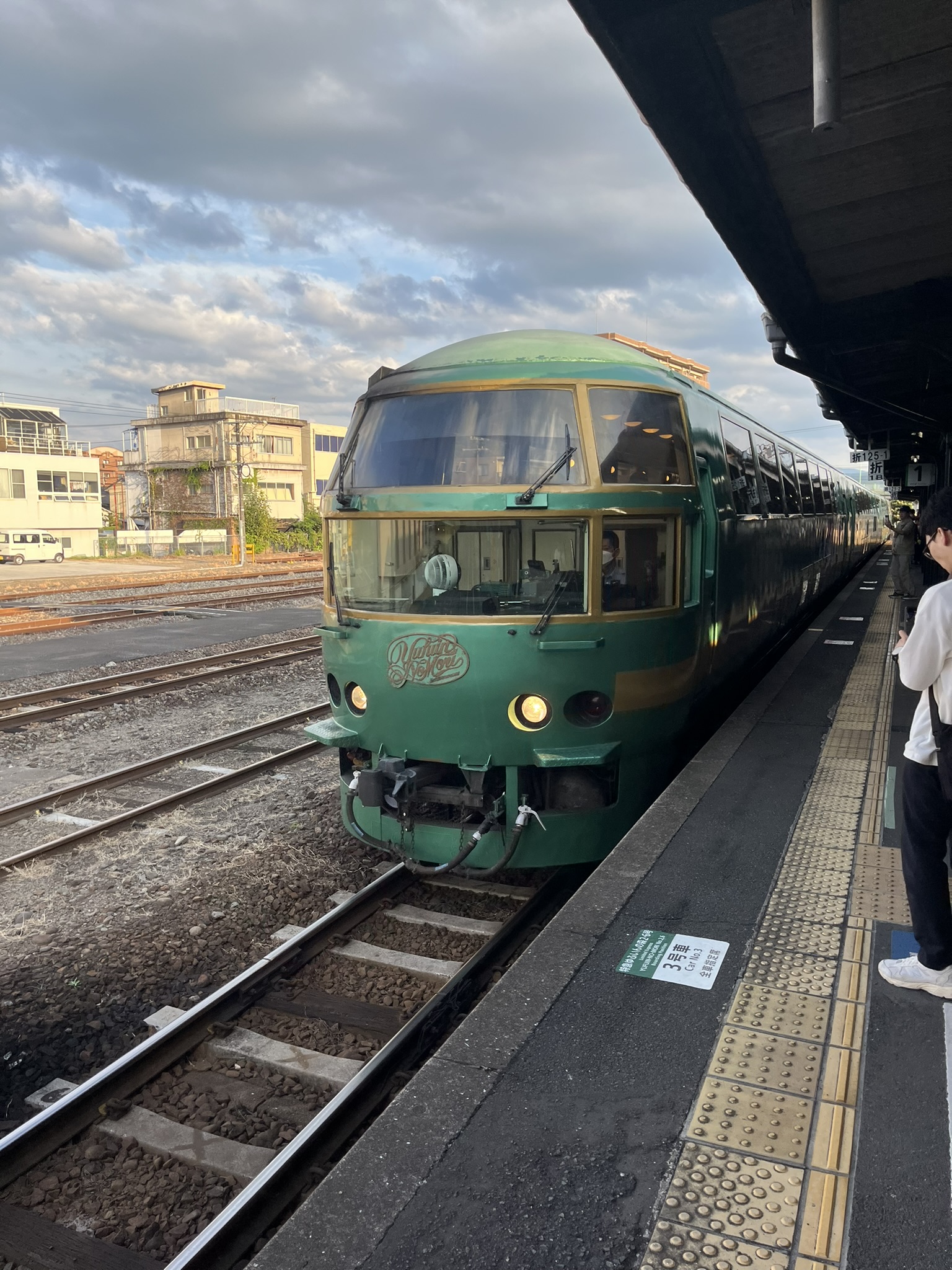
From Fukuoka, make your way to Hakata Station, where you can hop aboard the charming "Yufuin no Mori" train — a limited express that offers an enchanting ride through Kyushu’s lush landscapes. Alternatively, you can catch a highway bus for a scenic trip.

Yufuin no Mori at Hita Station

Discovering Hita City: The Little Kyoto of Kyushu

Dubbed the "Little Kyoto of Kyushu," Hita City is a treasure trove of historical charm and natural beauty. Wander through the historic Mameda-machi district, where time seems to have stood still, and gaze upon the traditional wooden buildings that line the streets. The crystal-clear rivers and tranquil hot springs (onsen) promise relaxation and rejuvenation amidst picturesque surroundings. Even without its "Attack on Titan" fame, Hita City is a gem worth exploring!

AOT Pilgrimage Spot 1: Hita Station & Captain Levi

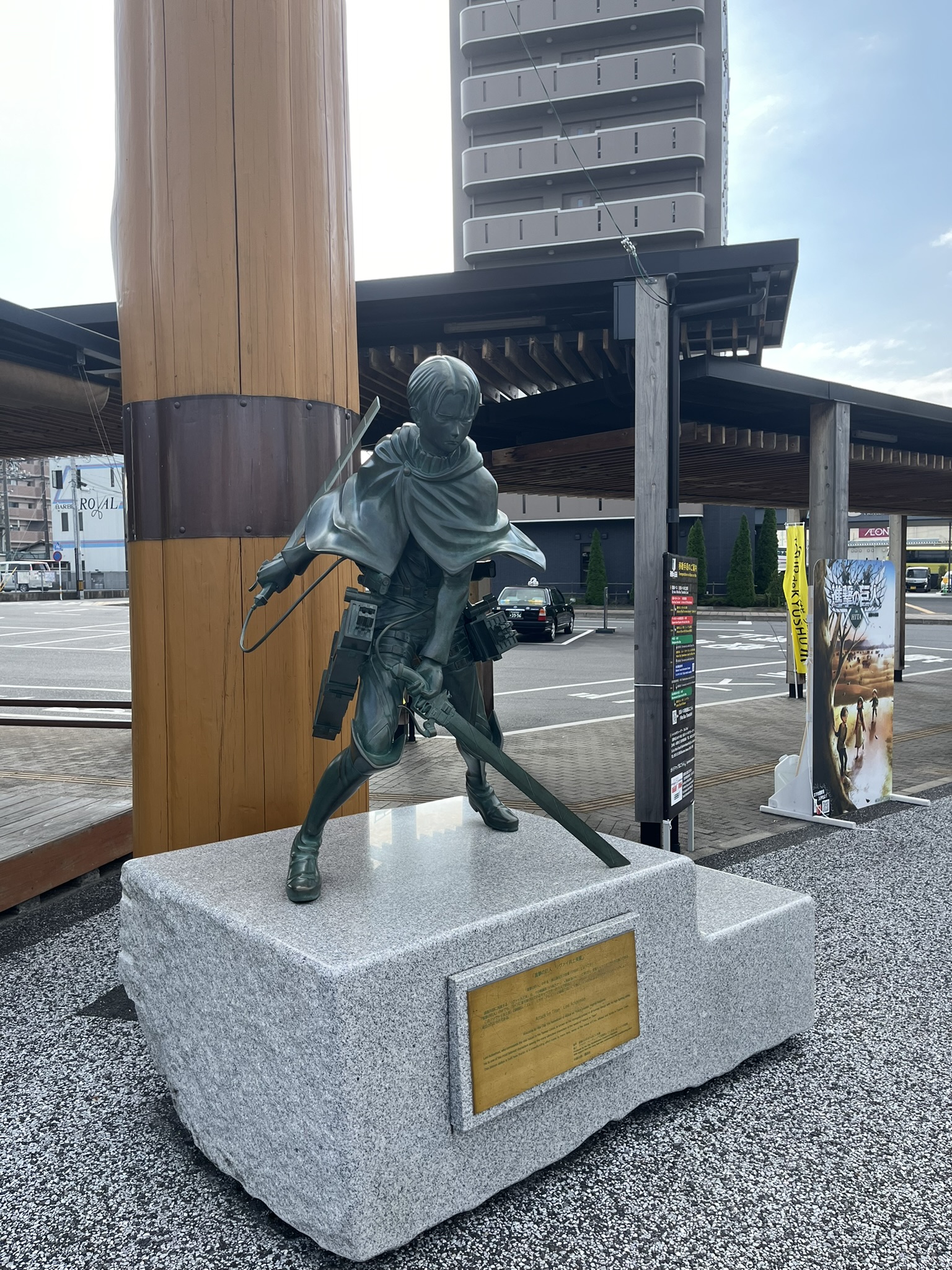
Your "Attack on Titan" journey kicks off at Hita Station, where you’re greeted by the formidable bronze statue of Captain Levi! This iconic figure stands proudly, reminding fans of his unyielding spirit and leadership.

Captain Levi Bronze Statue

AOT Pilgrimage Spot 2: The Day the Wall was Breached (Oyama Dam)

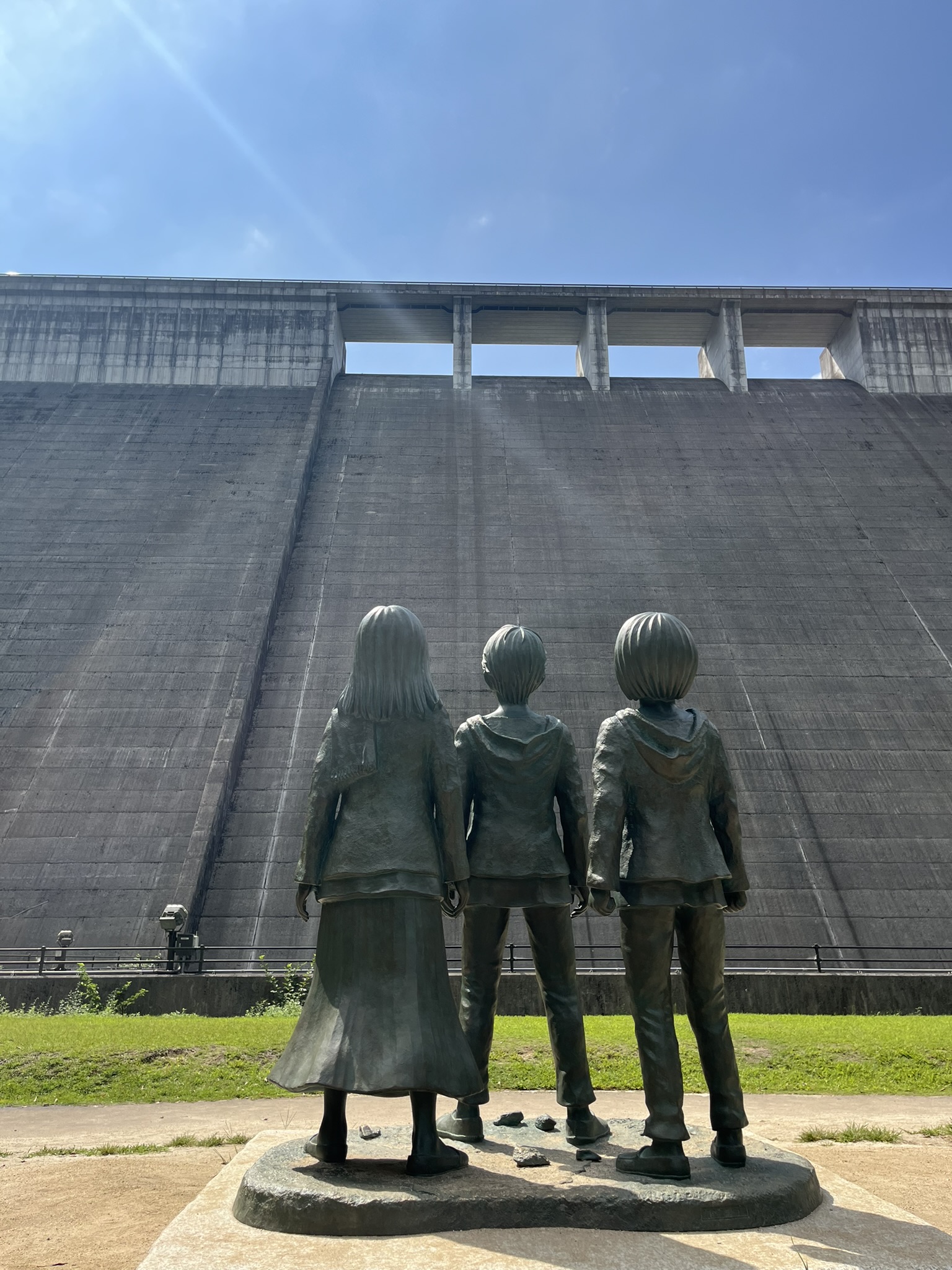
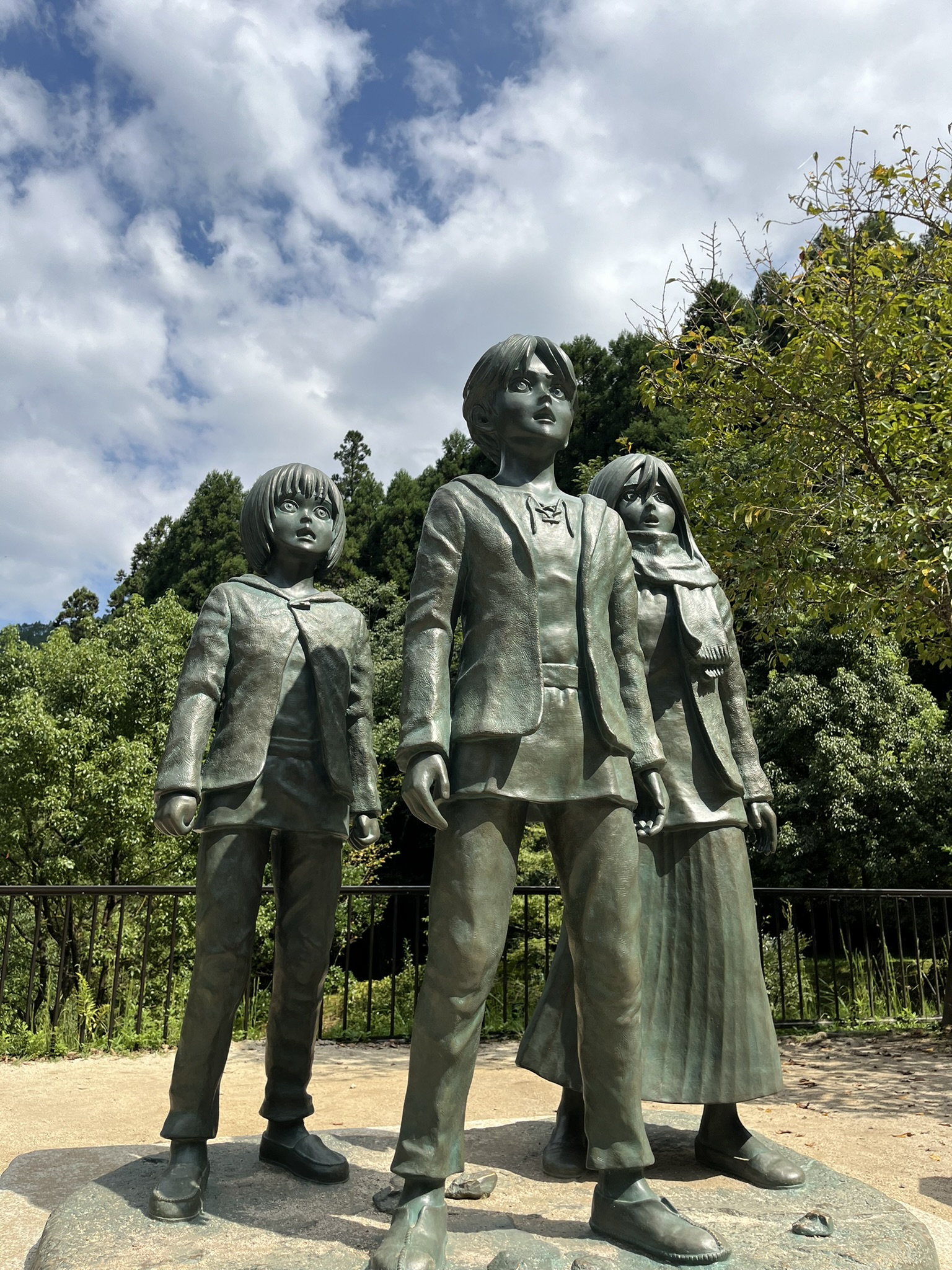
For a real-world encounter with the series’ pivotal moments, head to Oyama Dam, which bears an uncanny resemblance to "Wall Maria." Here, statues of Eren, Mikasa, and Armin gaze up at the dam wall, evoking the chilling scene where the Colossal Titan makes its first appearance.

To reach this awe-inspiring site from Hita Station, you can take a local bus towards Tsuetate Onsen or opt for a convenient taxi ride, which takes about 20 minutes.

Oyama Dam Wall Maria Eren Statue at Oyama Dam

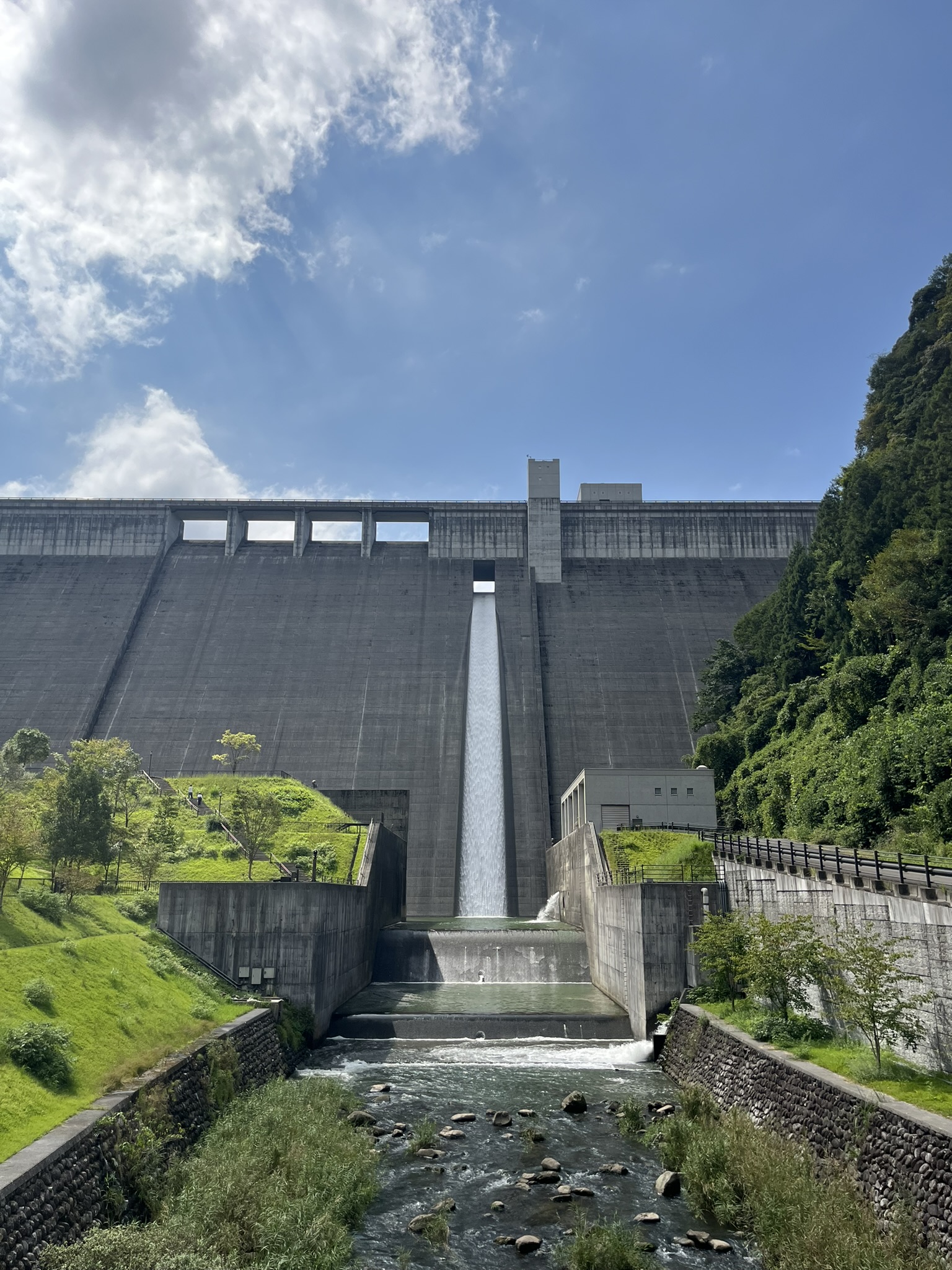
And don’t miss the breathtaking panoramic view of the dam itself!

Oyama Dam View

AOT Pilgrimage Spot 3: AOT in HITA Museum

Dive deeper into the creative genius of Hajime Isayama at the AOT in HITA Museum. Located at Michi-no-Eki Mizube no Sato OYAMA, this museum houses original sketches, exclusive items, and Isayama’s autographs — a sanctuary for any true fan.

Hajime Isayama Autograph

Hita Gourmet: Devour the Hita Yakisoba!

After a day of exploration, treat your taste buds to Hita’s local soul food: Hita Yakisoba. This delectable dish features noodles grilled to crispy perfection on the outside while remaining soft and tender inside, complemented by crunchy bean sprouts. It’s a culinary delight you won’t want to miss!

Conclusion

From majestic landscapes to iconic anime pilgrimages, Hita City is the ultimate destination for any "Attack on Titan" fan or travel enthusiast. So why not pack your bags and embark on this unique adventure? You’ll leave with memories as epic as the series itself!

Until next time, stay curious and keep traveling! Paw-sitively yours, Matatabi Taro! 🐾

A Note from OHA: The Real Hita Experience

(A quick message from my human companion and photographer, OHA!)

“Seeing how the city utilized a massive, real-world structure like the Oyama Dam and likened it to the ‘Wall’ from the series was extremely unique and absolutely wonderful to witness in person. It’s a brilliant piece of environmental storytelling!

Also, I had a memorable encounter on my way back. When I boarded the Yufuin no Mori express train from Hita, I found a Taiwanese tourist occupying my reserved seat. When I gently spoke to her, she explained that if she moved back to her original assigned seat, she would be separated from her husband. Hearing this, I gladly exchanged seats with her so they could ride together. After all, if I hadn’t given up my seat right then and there, I would have ended up standing as a cruel ‘Wall’ separating the two of them!”

Matatabi Taro’s Spectacular Adventures: Discover the Mystical Mountain Faith and Ultimate Noodle Kingdom of Yamagata Prefecture

Hello, travelers! I’m Matatabi Taro, your adventurous feline guide on a quest to uncover Japan’s hidden scenic wonders and culinary delights.

When visiting Japan, many foreign tourists flock to the famous cities of Tokyo, Kyoto, and Osaka, following the well-trodden Golden Route. But if you’re yearning for “the true spiritual landscapes and local foods unknown to most”, then there’s a hidden gem you simply cannot miss. Let me introduce you to the enchanting Yamagata Prefecture in the Tohoku region!

Yamagata is not only a sacred land for the spiritual practice of Shugendo (Mountain Asceticism) but also a quirky noodle paradise boasting the highest ramen consumption in Japan. Today, I’m thrilled to share a journey that will shake your soul with mystical sights and satisfy your hunger with ultimate local noodles in Yamagata Prefecture!
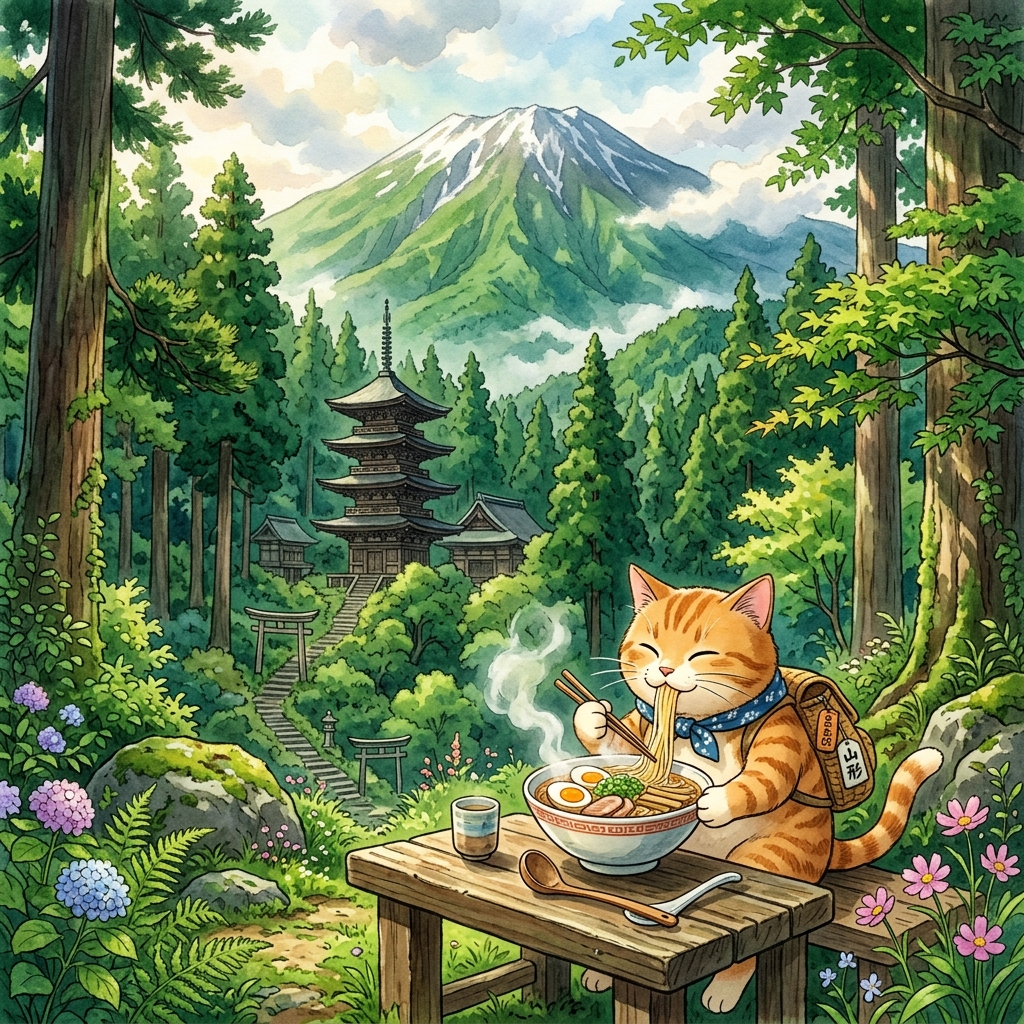
Yamagata Spiritual and Ramen

What Makes Yamagata Unique? (Regional Characteristics of Yamagata)

Nestled on the Sea of Japan side of the Tohoku region, Yamagata Prefecture is a place where Japan’s "original landscapes" are vividly preserved, offering a truly unique experience.

  1. Four Distinct Cultural Areas: Yamagata is divided by towering mountains into four areas: Murayama, Okitama, Shonai, and Mogami. Each area boasts its own distinct dialect and culinary culture! Traveling through Yamagata is like exploring four different countries all in one prefecture.
  2. Extreme Seasons and Snow’s Bounty: Known for its heavy snowfalls that can exceed 2 meters in winter, Yamagata also experiences hot summers. This sharp contrast in climate nurtures sweet and delicious fruits, like Japan’s most famous cherries, and exquisite Yamagata Beef.
  3. Hot Springs in Every Municipality: Astonishingly, every city and town in Yamagata has its own onsen (hot springs)! After a rigorous spiritual journey or a ramen tour, you can rejuvenate in these heavenly hot springs, making it a paradise for travelers.

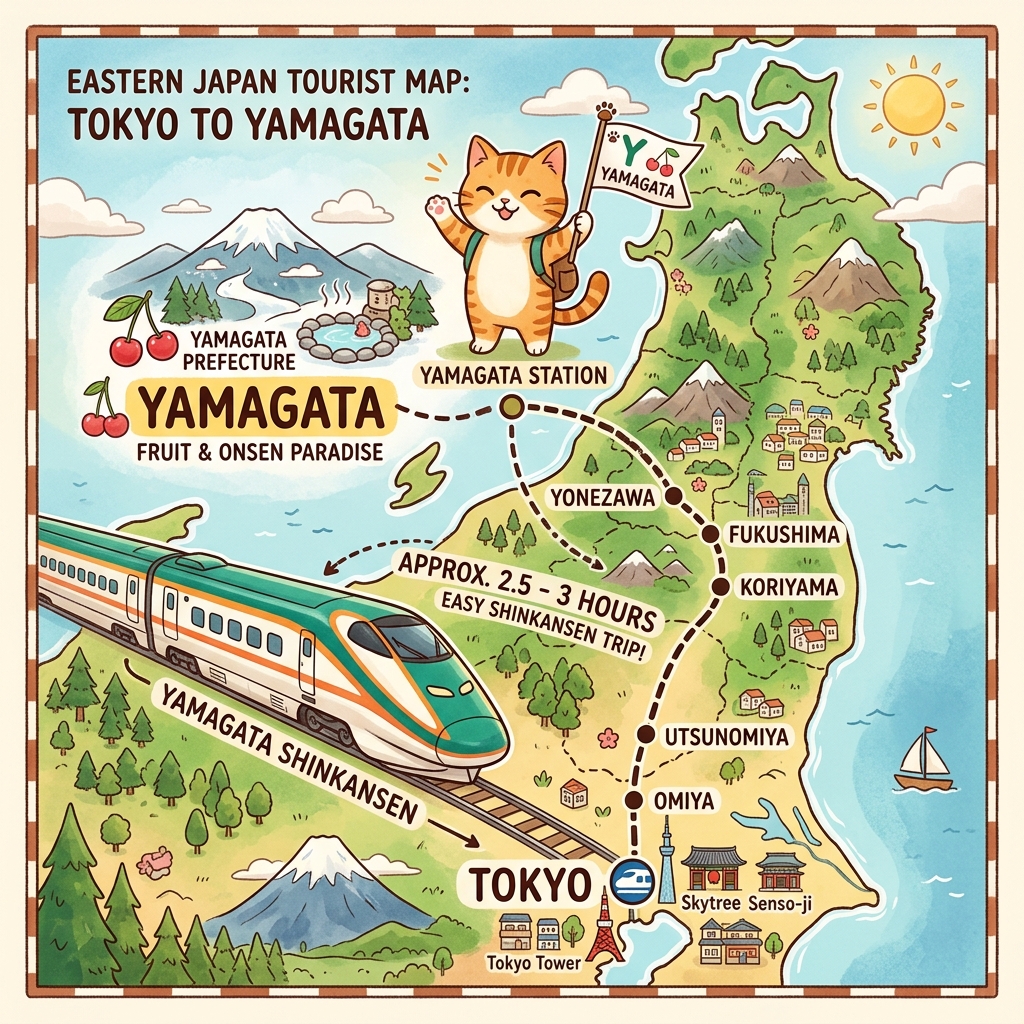
Yamagata Map

Though it might seem far, Yamagata is easily accessible for foreign tourists, as you can reach it from Tokyo Station on the Yamagata Shinkansen without needing to transfer!

Part 1: The Spiritual Heights

The mountains of Yamagata have long been revered as sacred places where deities reside. Here, you can embark on a spiritual journey amidst breathtaking nature.

1. Yamadera (Risshakuji Temple) – 1015 Steps to the Sky Fortress

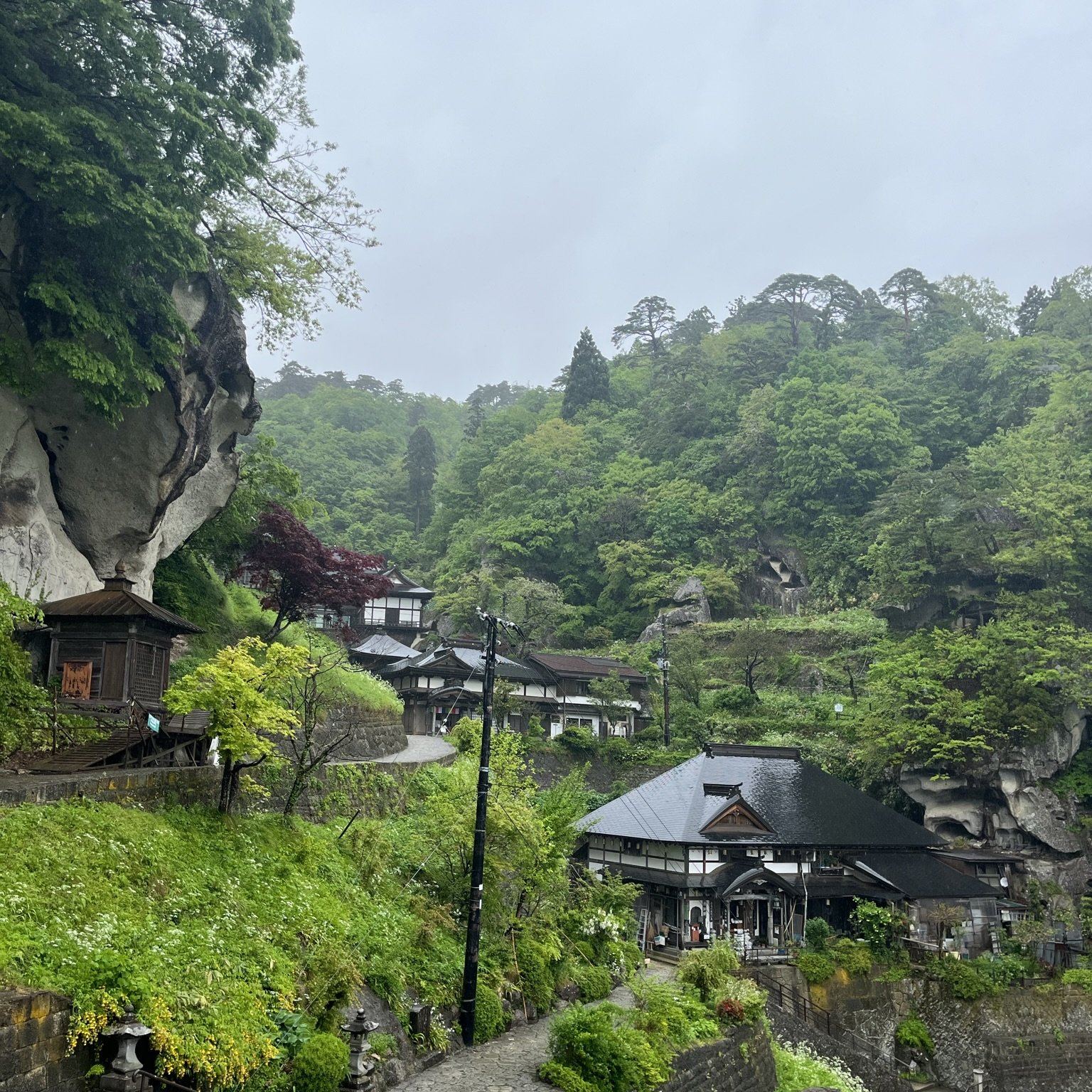
Yamadera
Formally known as Risshakuji, this temple perched on a steep cliff resembles a fortress in the sky. To reach the inner sanctuary at the top, you’ll need to climb 1,015 stone steps, with each step believed to cleanse you of worldly desires. It’s also the site where Japan’s most famous haiku poet, Matsuo Basho, composed his renowned verse about the cicada’s voice penetrating the rocks.

  • Access: From Tokyo Station (JR-TYO / M-17), take the Yamagata Shinkansen to Yamagata Station (about 2 hours 45 minutes). Transfer to the JR Senzan Line and get off at Yamadera Station, then walk for about 5 minutes.
  • Hours: 8:00 AM–3:00 PM (closing at 5:00 PM, varies by season)
  • Official Website: Risshakuji Temple

2. Mt. Haguro – Ancient Cedar Avenue and a National Treasure Pagoda

Hagurosan
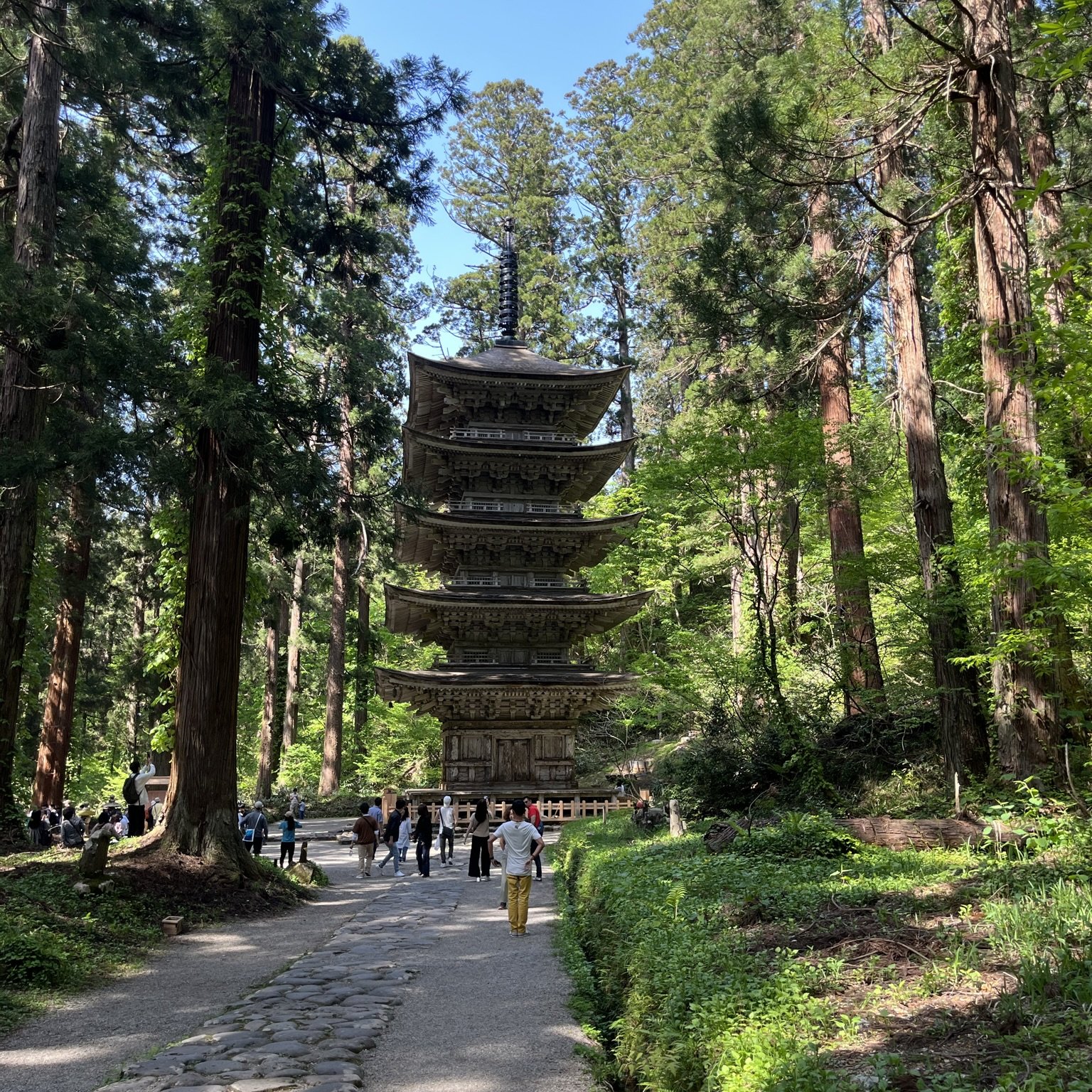
One of the three sacred mountains of Dewa Sanzan, Mt. Haguro represents the "Present". Wander through a mystical forest of cedar trees over a thousand years old to discover the stunning wooden five-story pagoda, designated a National Treasure. The serene forest and the pagoda’s splendor are truly awe-inspiring.

  • Access: From Shonai Airport (SYO), take a bus to Tsuruoka Station. Alternatively, from Tokyo Station (JR-TYO / M-17), take the Joetsu Shinkansen to Niigata Station, then transfer to the Inaho Limited Express to Tsuruoka Station. From there, take a bus to Haguro Zuijinmon.

3. Mt. Gassan – The Mountain of Gods and "Death and Rebirth"

Gassan
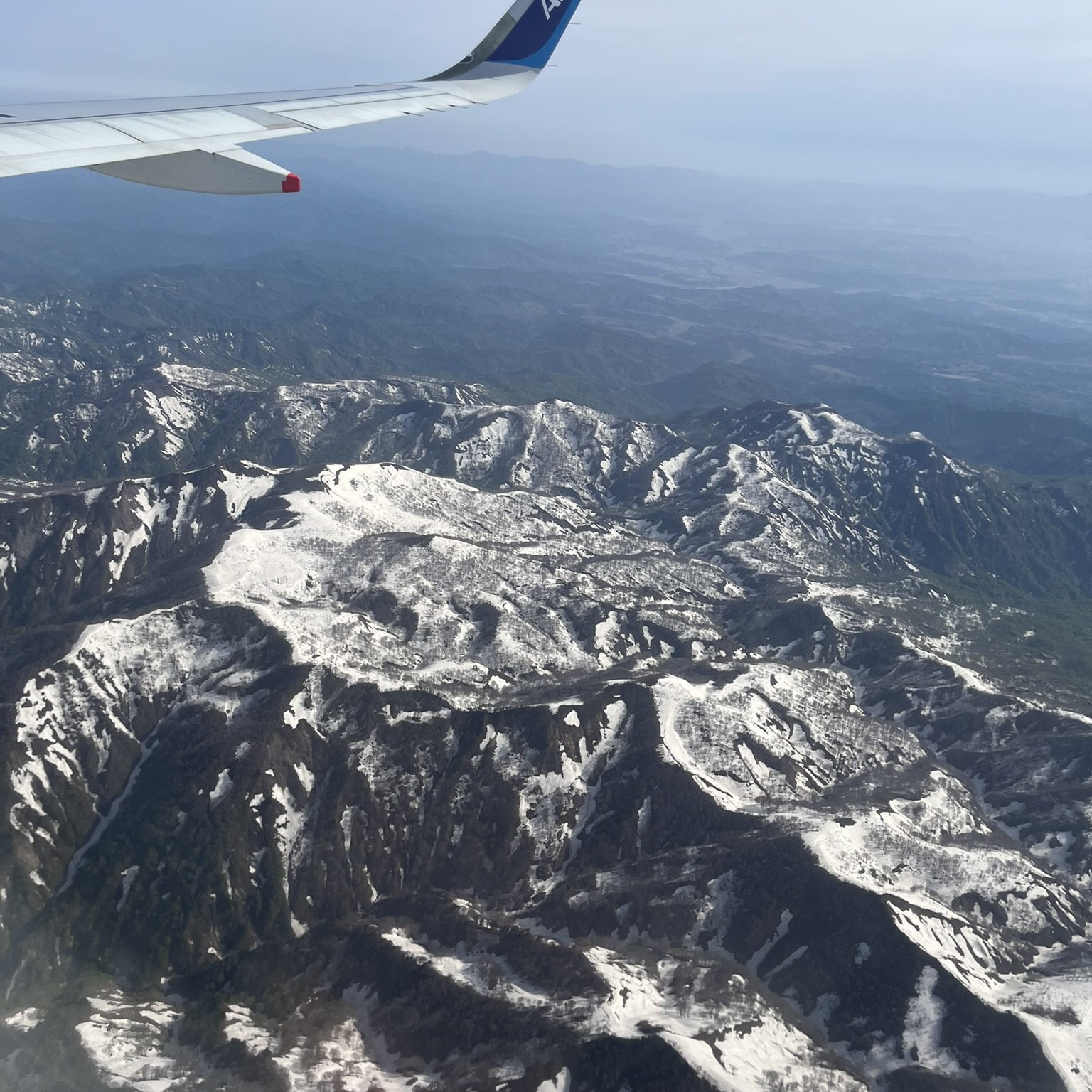
Standing tallest among Dewa Sanzan, Mt. Gassan symbolizes the "Past" and the afterlife. At an elevation of 1,984 meters, this sacred mountain is snowbound in winter but transforms into a paradise of blooming alpine plants in summer. Uniquely, you can ski here in summer due to the abundant snow!

  • Access: Take a bus from Tsuruoka Station to the 8th station on Mt. Gassan (summer-only service; renting a car is highly recommended).

Part 2: The Noodle Kingdom

Feeling hungry after trekking those sacred mountains? Fear not! Yamagata is a secret ramen powerhouse, boasting the highest ramen consumption and number of ramen shops per household in Japan! Here, you’ll find unique and delicious local noodles you can’t taste in Tokyo.

4. Ryu Shanghai – The Original Akayu Spicy Miso Ramen

Ryu Shanghai
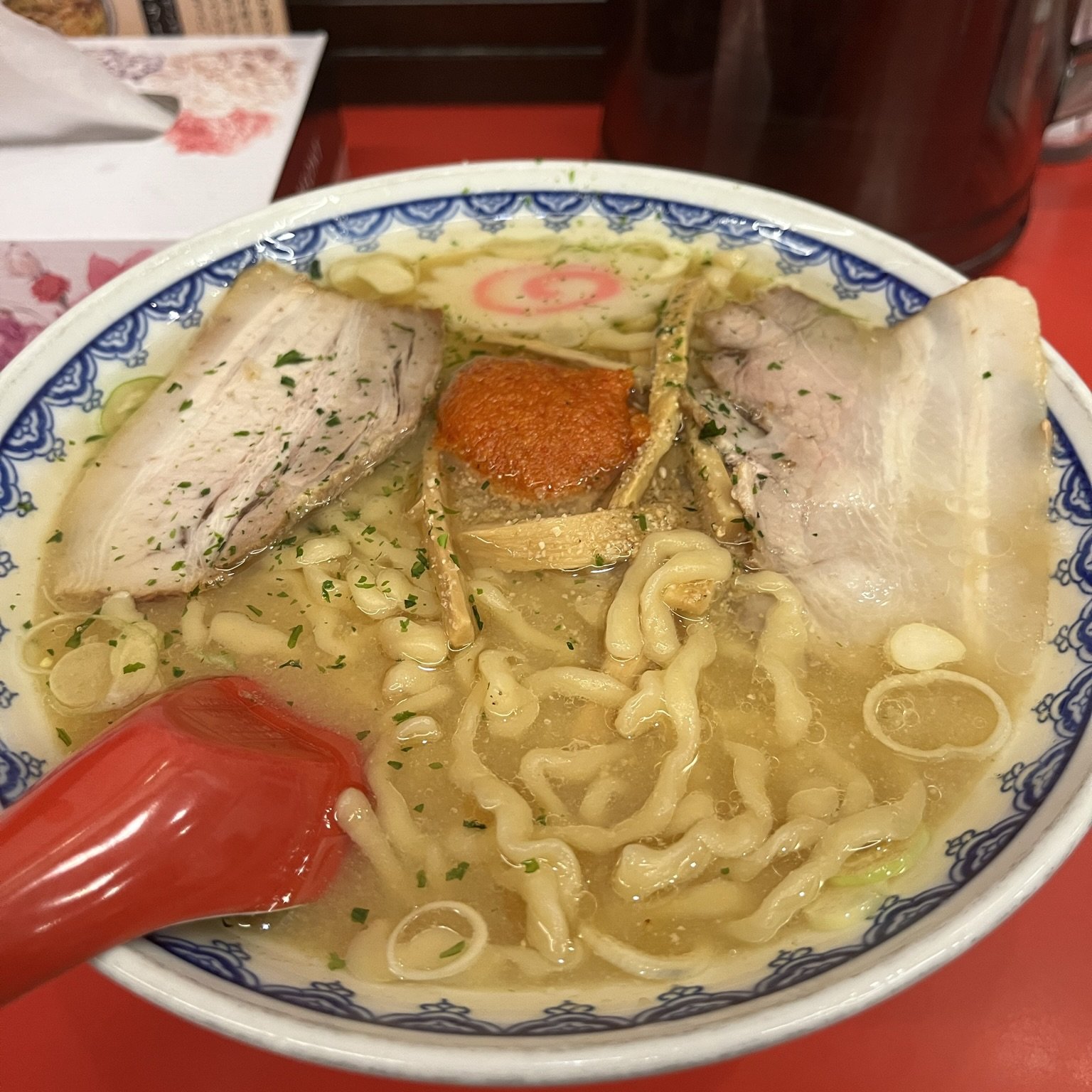
Known as the birthplace of Japan’s "Spicy Miso Ramen," this legendary shop serves a rich, flavorful miso broth with a fiery red ball of spicy miso, packed with chili and garlic, on top. As you enjoy the chewy curly noodles, mix the spicy miso into the broth for an increasingly bold and addictive flavor.

  • Access: From Tokyo Station (JR-TYO / M-17), take the Yamagata Shinkansen to Akayu Station (about 2 hours 20 minutes). From Akayu Station, it’s a 20-minute walk or a 5-minute taxi ride.
  • Hours: 11:30 AM–7:00 PM
  • Closed: Wednesdays
  • Official Website: Ryu Shanghai

5. Tori Chuka – The Miracle Hybrid Noodles Born from a Soba Shop

Tori Chuka
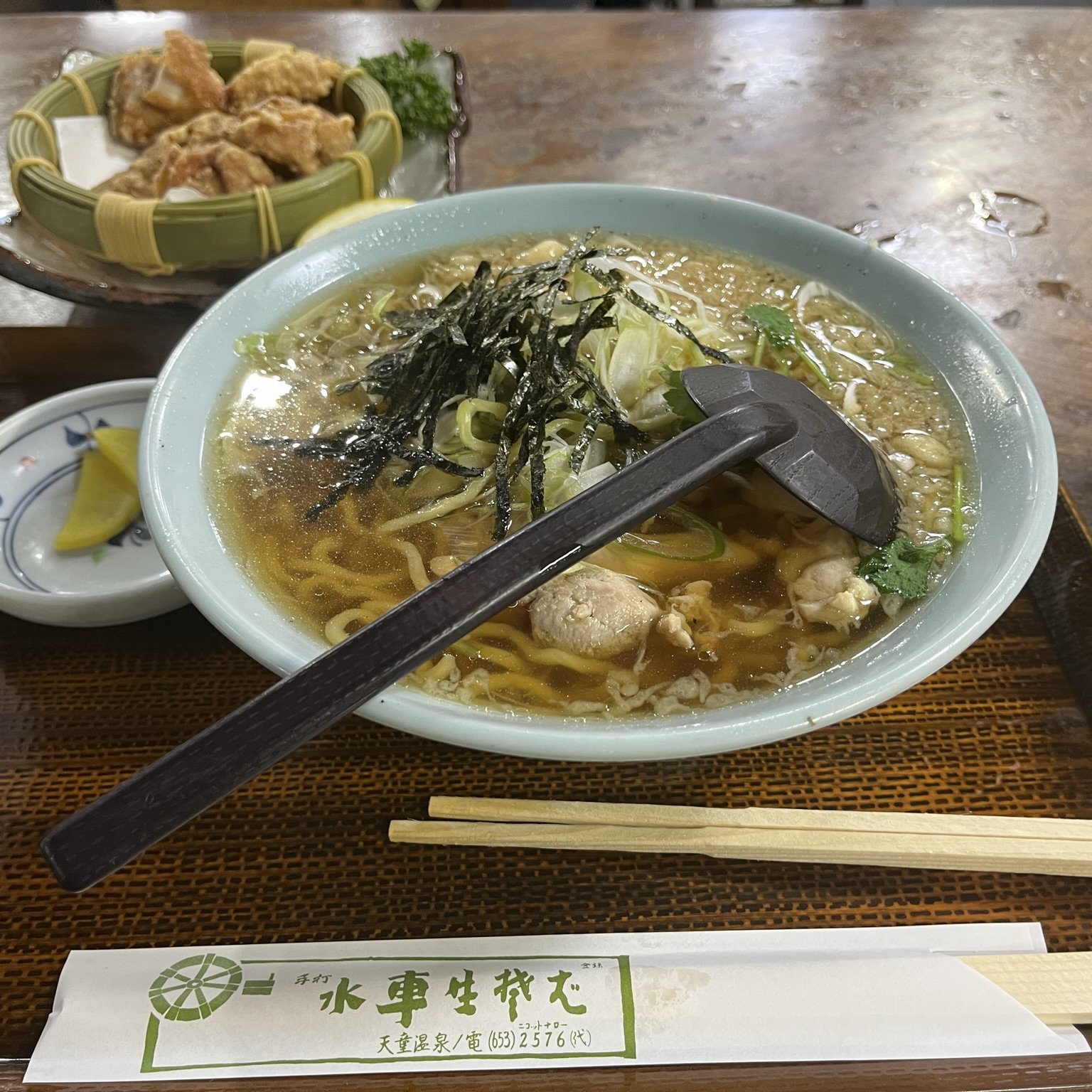
"Tori Chuka" is a Yamagata original, a fusion of soba and ramen cultures! Originating from the Suisha Kizoba in Tendo City, it features ramen noodles in a sweet, dashi-rich soba broth topped with chicken and tempura flakes. It’s light yet deeply flavorful.

  • Access: From Tokyo Station (JR-TYO / M-17), take the Yamagata Shinkansen to Tendo Station (about 2 hours 40 minutes). From Tendo Station, it’s a 15-minute walk.
  • Hours: 11:00 AM–11:00 PM (Suisha Kizoba)
  • Closed: New Year’s Day only
  • More Info: Tabelog

6. Kotohirasou – The Elusive Winter-Only Ramen

Kotohirasou
This rare ramen, served only during the quiet winter months at a seaside inn battered by the Sea of Japan, features a sublime soy sauce broth made with flying fish and chicken. Enjoying this ramen while seated on tatami, gazing at the wintry sea, makes for an unforgettable Yamagata highlight.

  • Access: From Shonai Airport (SYO), take a bus to Tsuruoka Station. From there, take the JR Uetsu Main Line to Sanze Station, then walk for about 20 minutes.
  • Hours: 11:00 AM–2:00 PM (Winter season only: October 1st to May 31st)
  • Closed: Thursdays (Closed for ramen from June 1st to September 30th)
  • Official Website: Kotohirasou

Message from Matatabi Taro

Mystical nature and passionate, quirky local ramen—how did you find them?

While traveling the Golden Route offers its own wonders, by venturing a bit further to Yamagata, you can discover the "real Japan" that you won’t find on the cover of guidebooks. Walking through cedar-lined paths that have stood for centuries, purifying your soul, warming your chilled body in hot springs, and savoring steaming hot ramen beloved by locals… Just imagining it makes my paws tremble with excitement!

The true joy of travel lies in experiencing the deep-rooted culture of each land. From Tokyo, a single Shinkansen ride brings you to this ultimate hidden gem. Take the first step on this adventure, and you’ll find experiences as precious as treasures waiting for you!

A Note from OHA: The Real Yamagata Experience

(A quick message from my human companion and photographer, OHA!)

“Every temple I visited in Yamagata required climbing endless, exhausting stone steps. What I originally planned as a relaxing sightseeing trip quickly turned into what felt like rigorous ascetic mountain training! (Shugendo is no joke!)

To reward myself, I visited the legendary Ryu Shanghai ramen shop during a long holiday. The catch? I had to stand in line for exactly 3 hours before I finally got to eat my bowl of spicy miso ramen. As I stood there waiting, I couldn’t help but wonder… was this just another form of ascetic training?

Repeating this cycle of intense exercise (climbing endless stone steps) followed by heavy eating (devouring rich ramen), I am left with a profound question: Have I actually become healthier, or the exact opposite? I suppose I will need to ask the Buddha for the answer.”

The Secrets of Japanese Castles: Samurai Fortresses and the Top 10 Must-See Castles

Hello, fellow adventurers! I’m Matatabi Taro, your adorable traveling kitty with a deep love for Japan’s rich history and stunning landscapes. As you explore Japan, you’ll likely spot grand “castles” standing proudly in many cities. Unlike the opulent palaces of Europe, Japanese castles were built as practical military fortresses during the age of the samurai.

Today, I’m thrilled to unveil the hidden defense systems of these castles, introduce you to the exclusive “12 Original Castles,” and guide you through the top 10 castles you absolutely can’t miss on your travels around Japan!

Japanese Castle and Taro

Castle Architecture: Beauty and Brilliance in Defense

Japanese castles are a sight to behold, with their majestic exteriors concealing a myriad of clever traps designed to foil invaders. Knowing these four key features will make your visit 100 times more fascinating!

1. Tenshu (Main Keep): Symbols of Power and Beauty

The “Tenshu” is the tallest structure in the castle complex, but it wasn’t where the lord lived (they resided in the more comfortable ground-level mansions called “Goten”). Tenshu served as the ultimate defensive stronghold and a symbol of authority.

  • Black vs. White Castles: Castles like Matsumoto Castle, known for their “black” appearance, were built during the Warring States period under Toyotomi Hideyoshi. They have an intimidating, battle-ready look. In contrast, “white” castles like Himeji Castle, constructed in the peaceful Edo period under Tokugawa Ieyasu, showcase the elegance of authority with their bright plaster finishes.

2. Ishigaki (Stone Walls): The Secret of Beautiful Curves

Surrounding each castle is a moat, with towering stone walls just inside.

  • Mushagaeshi: The corners of these walls curve gracefully in what is known as a “fan-shaped slope.” It may seem easy to climb at first, but the wall becomes vertical as you ascend, making it impossible for even the stealthiest ninja to scale.

3. Koguchi (Tiger’s Mouth): The Deadly Trap Gate

The main gate of a castle is called "Koguchi." Many castles feature a square courtyard known as “Masugata,” which forces intruders to turn at right angles to proceed. This design served as a “kill box,” where enemies trapped in the courtyard were attacked from all sides.

4. Sama and Ishi-otoshi: The Invisible Defense System

  • Loopholes (Sama): The castle walls are peppered with small holes—round, triangular, or square for firearms (Teppo-zama), and vertical slits for arrows (Ya-zama).
  • Stone Drops (Ishi-otoshi): Parts of the main keep’s walls protrude outward, allowing defenders to drop heavy stones or boiling oil on attackers scaling the walls below.

The Miracles of the 12 Original Castles

Most Japanese castles were lost during the Meiji Restoration or World War II, and many we see today are concrete reconstructions. However, only 12 castles across Japan have survived from the samurai era in their original wooden form. Inside, you’ll enjoy the aroma of 400-year-old wood and experience the “amazingly steep stairs” designed to deter invaders.

Top 10 Japanese Castles You Must Visit

Here are 10 castles that blend history and beauty, which every traveler should visit!

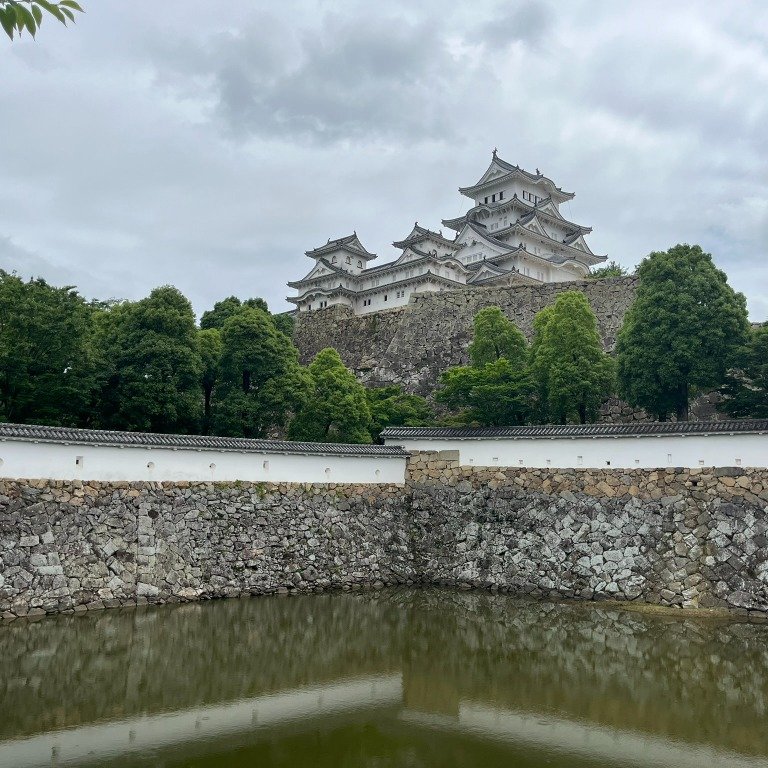
1. Himeji Castle (Hyogo) – UNESCO World Heritage Site & Original Castle

Himeji Castle
Known as the “White Heron Castle,” Himeji is the most beautiful and grand of the original castles, with its brilliant white walls set against the sky. It’s a masterpiece of Japanese castle architecture.

  • Access: From Kansai International Airport (KIX), Kyoto Station (JR-A31), or Shin-Osaka Station (JR-A46), take the Shinkansen or JR Kobe Line to Himeji Station (JR-A85) (about 40-60 minutes). Then, it’s a 15-minute walk from the station.

2. Osaka Castle (Osaka) – The Pinnacle of Reconstruction

Osaka Castle
Famous for its golden decorations, this grand castle houses a modern history museum inside, complete with elevators. It’s a theme park for samurai history enthusiasts!

  • Access: From Kansai International Airport (KIX), take the Kansai Airport Rapid Service to Osaka Station (JR-A47), switch to the JR Osaka Loop Line, and alight at Osaka Castle Park Station (JR-O07), right by the castle.

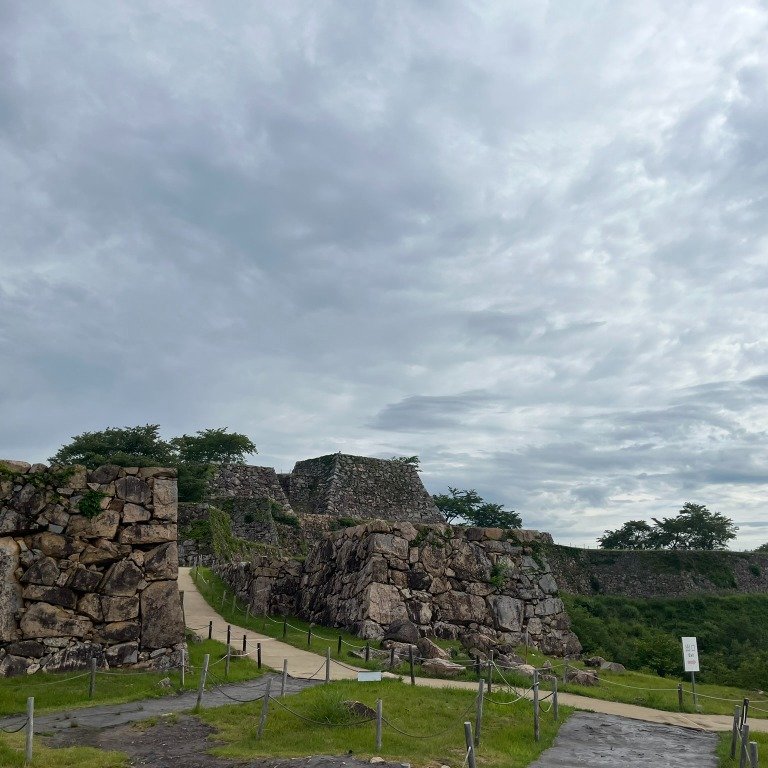
3. Takeda Castle (Hyogo) – The Castle in the Sky

Takeda Castle Ruins
While it lacks traditional castle buildings, the majestic stone ruins atop a mountain are breathtaking. Enveloped in a sea of clouds from autumn to winter mornings, it’s known as the “Castle in the Sky” and is a popular spot for foreign tourists.

  • Access: From Kansai International Airport (KIX) or Osaka Station (JR-A47), take a limited express train, transfer at Himeji Station, and proceed on the JR Bantan Line to Takeda Station. Access the site via hiking trails or a sky bus.

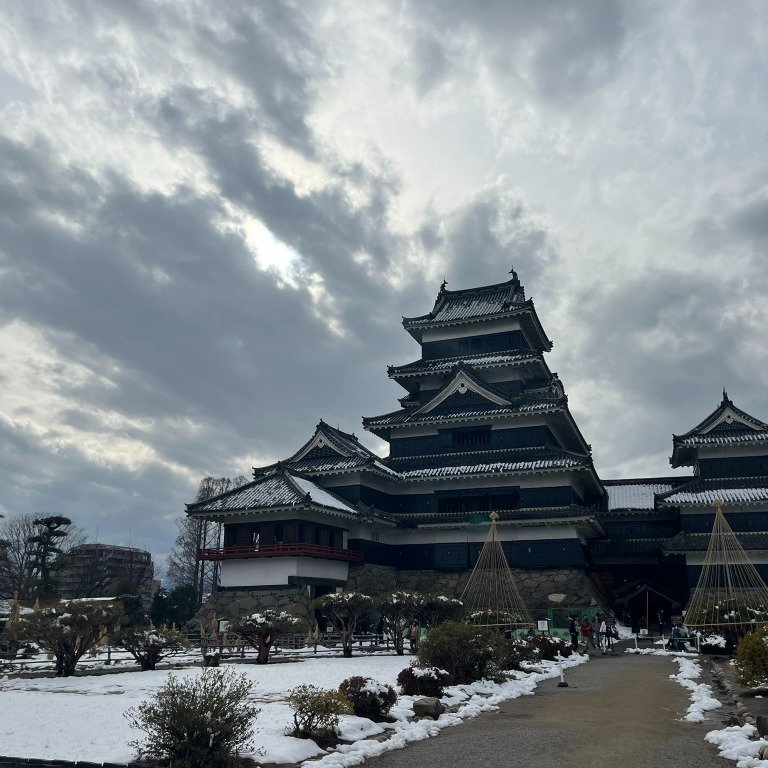
4. Matsumoto Castle (Nagano) – Original Castle

Matsumoto Castle
If Himeji is the “white” castle, Matsumoto is the “black” one. Its dark, wooden walls stand against the backdrop of the Alps, earning it the nickname “Crow Castle.” The reflection in the moat’s water is a breathtaking sight.

  • Access: From Tokyo’s Shinjuku Station (JR-JC05), take the JR Limited Express Azusa to Matsumoto Station (Shinano Line) (about 2 hours 30 minutes). It’s a 15-minute walk from the station.

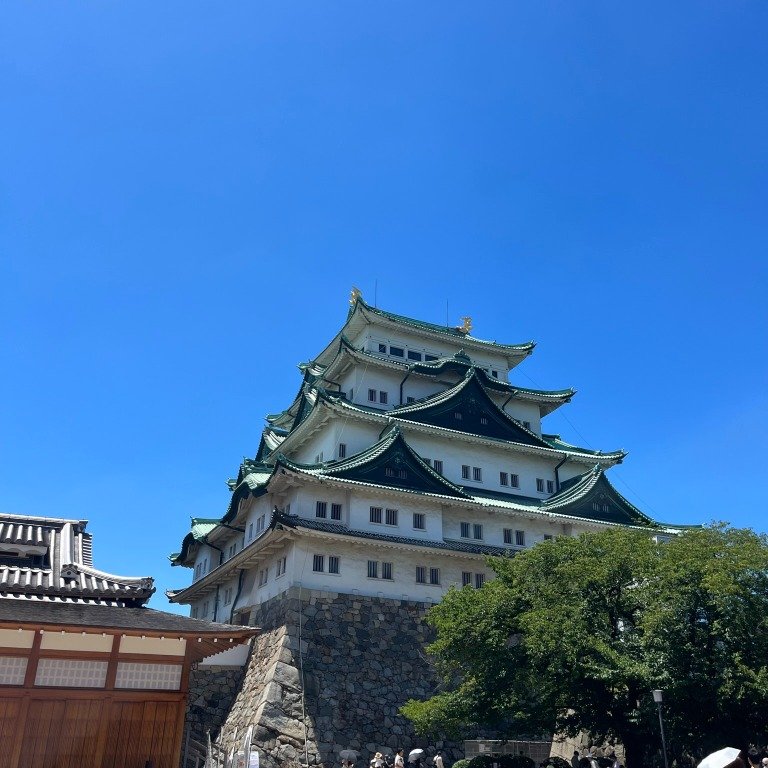
5. Nagoya Castle (Aichi) – Home of the Golden Shachihoko

Nagoya Castle
Adorned with two giant golden “Shachihoko” (mythical carp with tiger heads), this lavish castle’s main palace is a stunningly restored masterpiece.

  • Access: From Chubu Centrair International Airport (NGO), take the Meitetsu Limited Express to Nagoya Station (M08). Transfer to the Higashiyama Line to Sakae Station (H10), then switch to the Meijo Line to Nagoya Castle Station (M07).

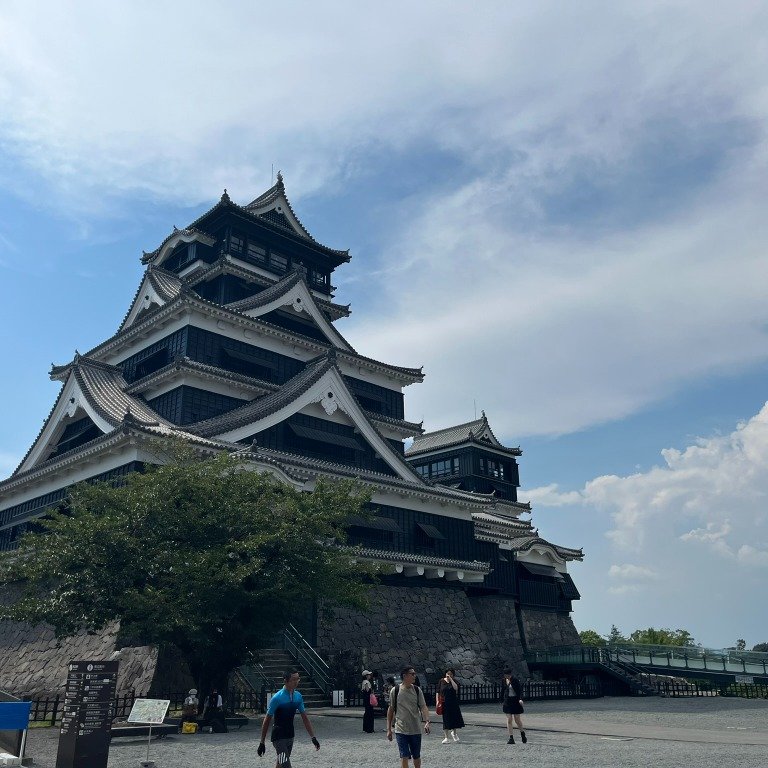
6. Kumamoto Castle (Kumamoto) – The Impregnable Black Fortress

Kumamoto Castle
Famous for its massive stone walls with extreme curves called “Mushagaeshi,” making it one of Japan’s most formidable castles. Its recovery after the 2016 earthquake is deeply moving.

  • Access: From Kumamoto Airport (KMJ) or Hakata Station, take the Kyushu Shinkansen to Kumamoto Station. Transfer to the Kumamoto City Tram and alight at Kumamoto Castle / City Hall stop (10).

7. Inuyama Castle (Aichi) – The Oldest Original Wooden Castle

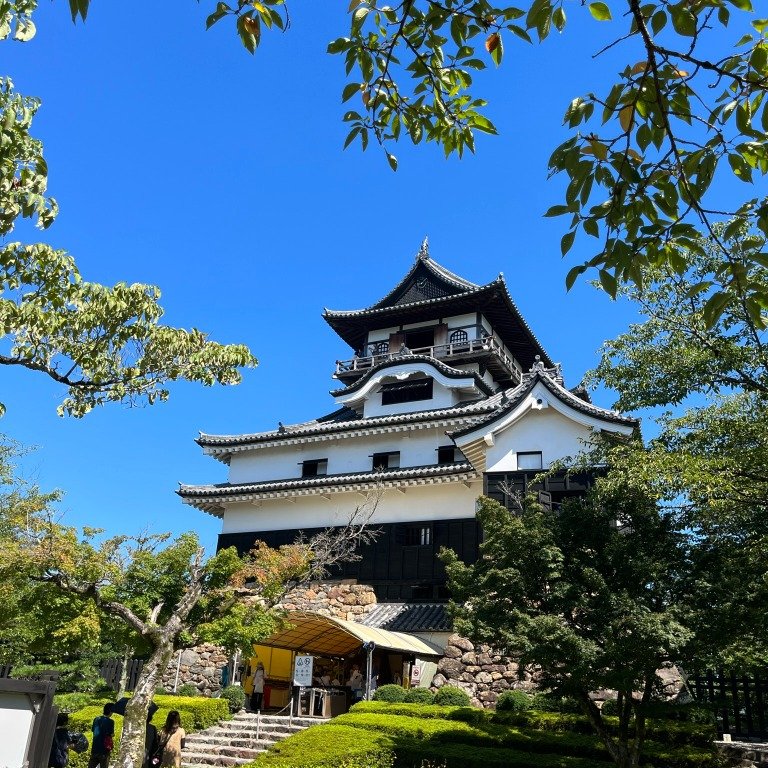
Inuyama Castle
Perched on a hill, it’s the oldest wooden Tenshu among the original castles. The view from the top floor over the Kiso River is spectacular, and exploring the historic town in kimono is a popular activity.

  • Access: From Meitetsu Nagoya Station (NH36), take the Meitetsu Inuyama Line to Inuyama Station (IY15) (about 30 minutes). Walk through the historic town for about 15 minutes.

8. Matsue Castle (Shimane) – The Black Castle and the Moat Tour

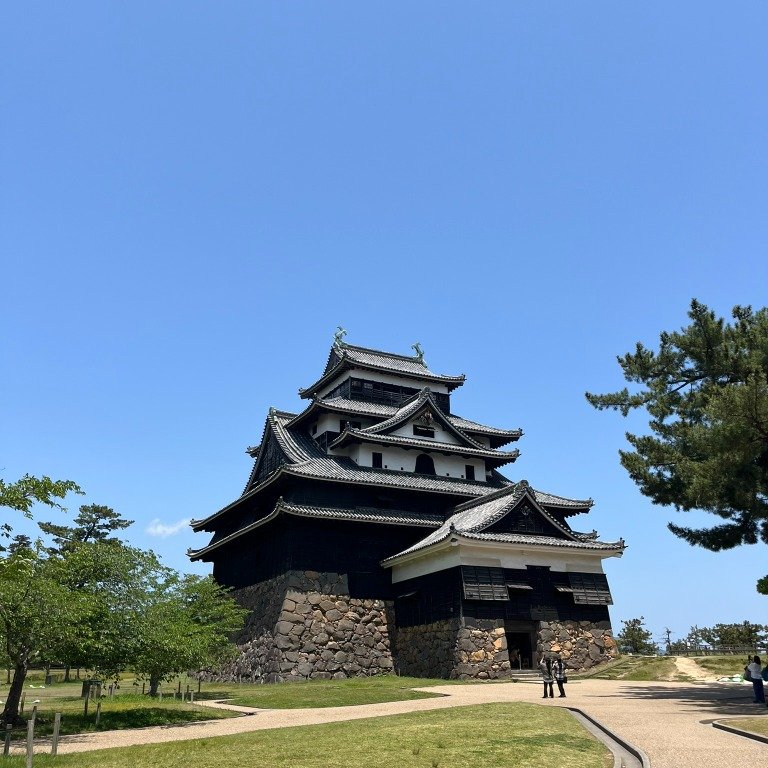
Matsue Castle
Located near Lake Shinji, this sturdy fortress is one of the original 12 castles. The moat tour “Horikawa Sightseeing Boat” is a big hit with foreign visitors.

  • Access: From Izumo Enmusubi Airport (IZO) or Yonago Airport (YGJ), take a shuttle to Matsue Station. Alternatively, take the JR Yakumo Limited Express from Okayama Station to Matsue Station. A bus ride of about 10 minutes will get you there.

9. Goryokaku (Hokkaido) – The Beautiful Star Fort

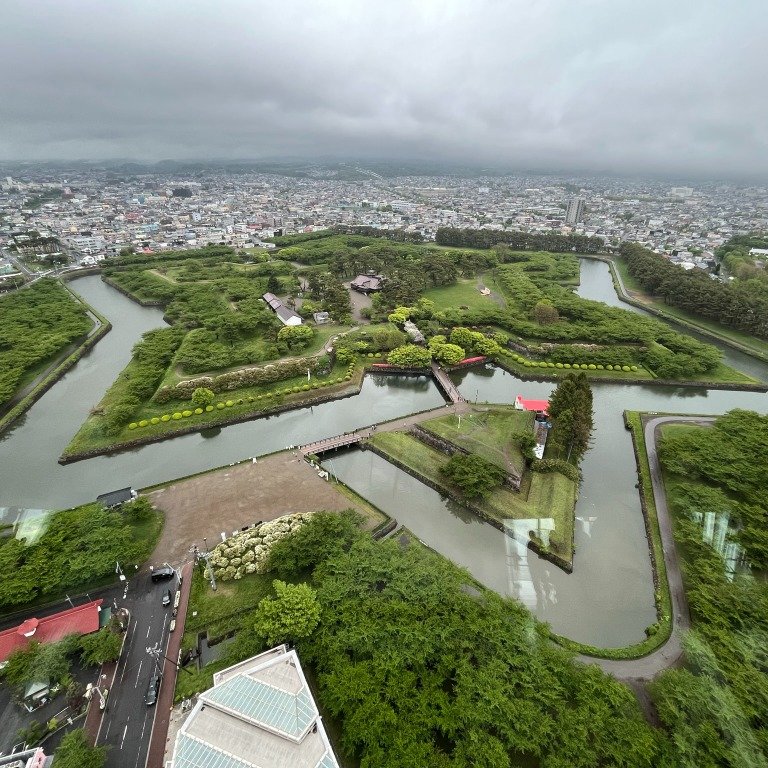
Goryokaku
Built at the end of the Edo period, this unique star-shaped fort is a rare example of European-style fortification in Japan. The view from the Goryokaku Tower is breathtaking, especially when the star-shaped moat is lined with cherry blossoms in spring.

  • Access: From Hakodate Airport (HKD), take a bus or from JR Hakodate Station, take the Hakodate City Tram to Goryokaku-Koen-Mae stop (DY12). It’s about a 15-minute walk.

10. Hikone Castle (Shiga) – A National Treasure and Home of Hikonyan

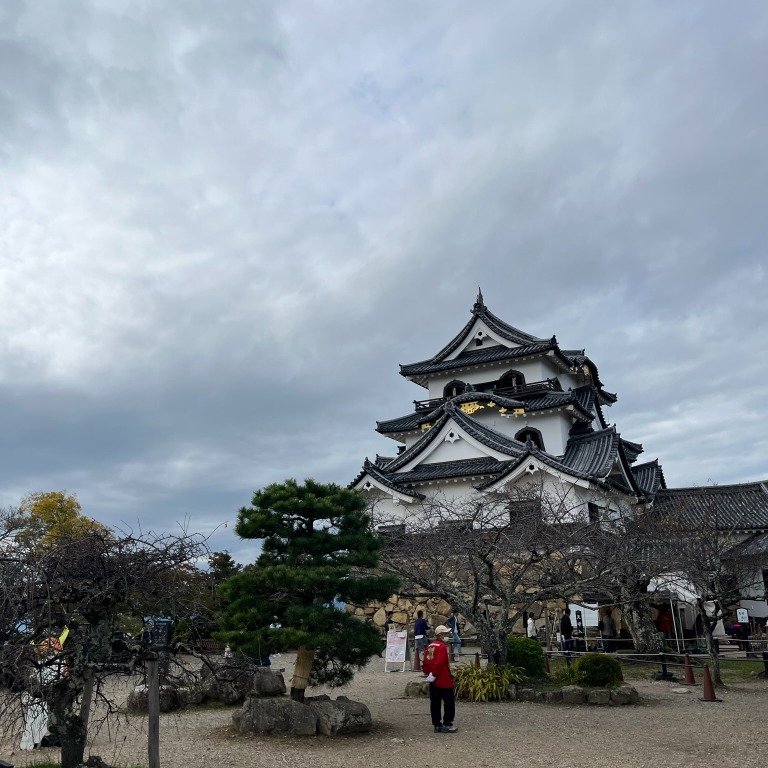
Hikone Castle
Nestled by Lake Biwa, this beautiful original castle is a national treasure. Plus, you can meet the famous samurai cat mascot “Hikonyan” here every day! It’s a purr-fect destination for cat-loving travelers.

  • Access: From Kyoto Station (JR-A31) or Osaka Station (JR-A47), take the JR Biwako Line to Hikone Station (JR-A13) (about 50 minutes from Kyoto). It’s a 15-minute walk from the station.

When visiting Japanese castles, don’t just admire their beauty—imagine how you’d scale those walls if you were an intruder! It makes for an exciting experience. Wishing you a pawsome historical adventure!

A Note from OHA: The Ultimate Castle Challenge

(A quick message from my human companion and photographer, OHA!)

“How did you like learning about Japanese castles? If this sparked your interest, let me introduce you to an even deeper, more hardcore world of castle exploration.

In Japan, there is an official ‘Stamp Rally’ for the ‘100 Fine Castles of Japan’ and the ‘Continued 100 Fine Castles of Japan,’ meticulously selected by castle researchers. The goal is to travel across the entire country to visit all 200 of these specific fortresses and collect their unique stamps in an official book. Honestly, it’s less of a sightseeing tour and more of an ascetic training journey (shugyo). And yes, of course, I have already completed it!

If you’re feeling adventurous and want to take on this ultimate 200-castle challenge… my first piece of advice is to just move to Japan!”

[Matatabi Taro’s Travel Tip]

He went to 200 castles?! No wonder my paws are always tired from traveling with him! If you plan to visit even one or two castles, make sure to wear comfortable walking shoes, as those ancient stone steps and steep paths are no joke, meow!

The Ultimate Pokémon Treasure Hunt in Hokkaido: Snow, Scenery, and the Alolan Vulpix Poké Lids

Hokkaido Treasure Hunt

Hello, fellow adventurers! It’s me, Matatabi Taro, your trusty travel guide with a whisker for mischief and a heart full of wanderlust. Do you know about the newest treasure hunt craze sweeping through Japan? It’s called "Poké Lids"—a journey to discover one-of-a-kind, original design Pokémon manhole covers scattered across the land. And there’s no better place to pounce on this adventure than Hokkaido, where the enchanting Alolan Vulpix and Vulpix have been appointed as official Pokémon ambassadors!

In this blog post, I’ll whisk you away on the ultimate Hokkaido road trip, where you can soak in breathtaking nature and history while tracking down those adorable Alolan Vulpix Poké Lids. Let’s embark on a quest that’s sure to be pawsitively unforgettable!


⚠️ CAUTION: The Hokkaido Size Trap

Before we dive into the details of your treasure map, I must warn you about a common pitfall for travelers: the vastness of Hokkaido! This is no mere city; it’s a massive island, roughly the size of Ireland or Austria.

So, planning to "see Hakodate today and head to Wakkanai tomorrow"? That’s as feasible as a cat herding exercise! The journey from Hakodate to the northern tip of Wakkanai is a whopping 650 kilometers (about the same as driving from San Francisco to Los Angeles), taking around 10 hours by car or train. To truly enjoy your treasure hunt, use domestic flights or express trains for travel, and give yourself at least five days to a week to savor every moment.


🗺️ Spot 1: Hakodate and Mori Town – From Historic Fortresses to Snowy Stations

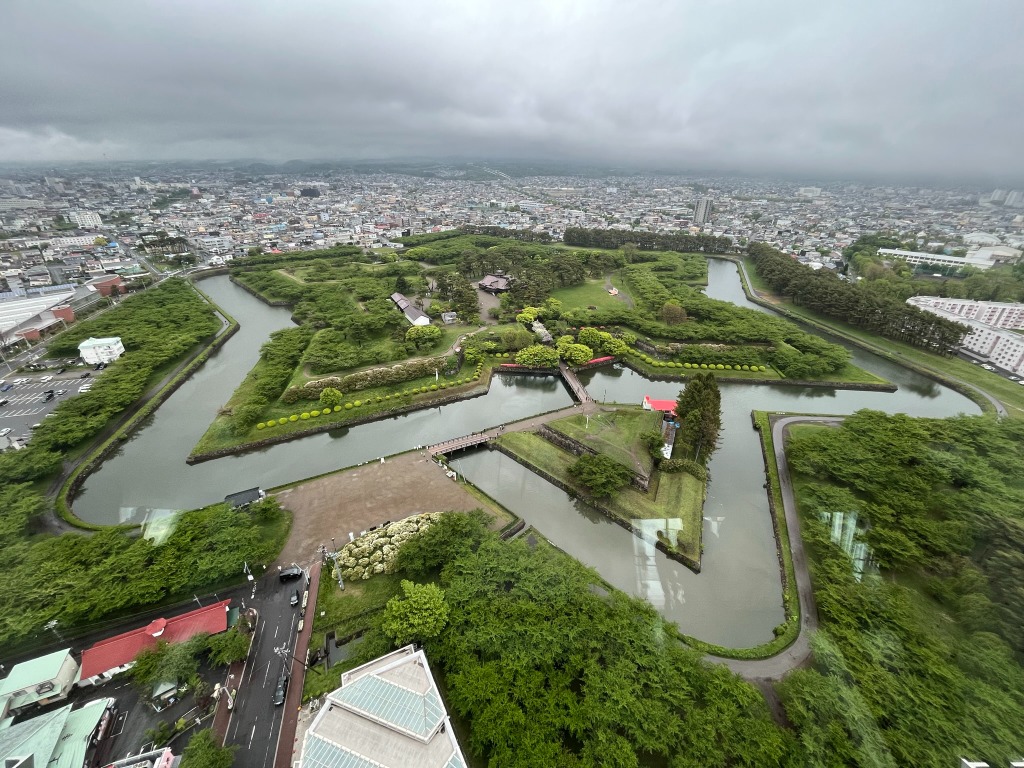
函館・五稜郭

Our journey begins in Hakodate, the southern gateway to Hokkaido. This exotic port town blends Western and Japanese cultures since its opening in the 19th century. From the top of the star-shaped Goryokaku Tower, the view of the moat below is breathtakingly beautiful—a sight you won’t want to miss!

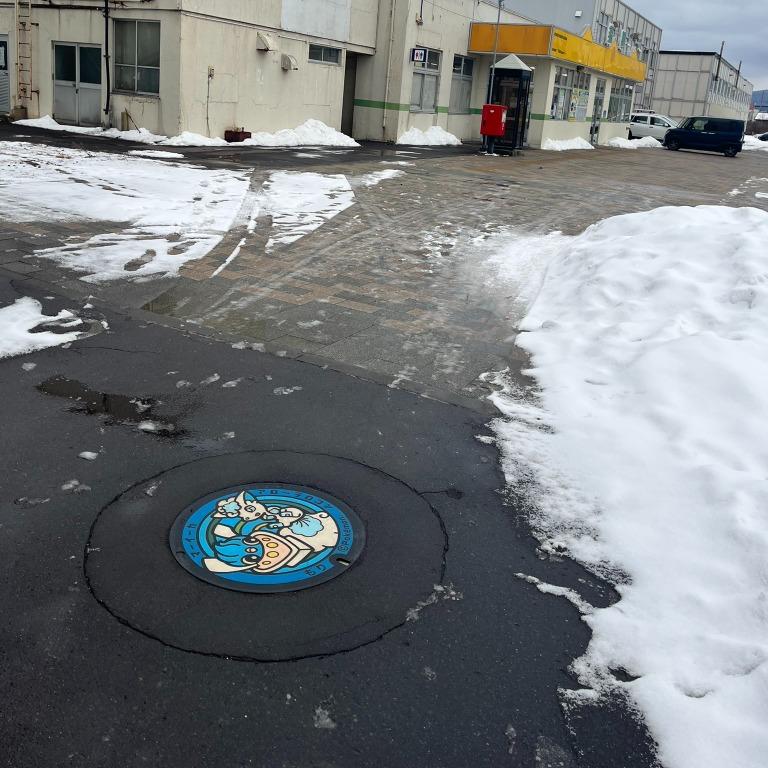
雪道にある森町のポケふた

Take a short trip from Hakodate to Mori Town, where you’ll find a vibrant Alolan Vulpix and Inkay Poké Lid waiting for you near the snow-covered station. This is the purr-fect start to your treasure hunt in the snowy lands of Hokkaido.

✈️ Access to Hakodate

  • By Air: Hakodate Airport (HKD) is about an 80-minute flight from Tokyo (Haneda).
  • By Rail: Take the Hokkaido Shinkansen from Tokyo to Shin-Hakodate-Hokuto Station in about four hours, then hop on a local train into Hakodate city. Mori Town is about 40 minutes by JR express train from Hakodate Station.

🏨 Recommended Accommodation

  • La Vista Hakodate Bay: Home to "Japan’s Best Breakfast," this hotel is famous among travelers for its customizable seafood rice bowls. A must-visit for seafood lovers!
    🔗 Search on Booking.com / Search on Agoda

🍣 Local Gourmet

  • Kaisendon at Hakodate Morning Market: Dive into bowls brimming with fresh squid, salmon roe, and sea urchin.
  • Lucky Pierrot: A quirky local burger chain exclusive to Hakodate. Try the "Chinese Chicken Burger," a soul food favorite!

🗺️ Spot 2: Sapporo and Kamifurano – From Urban Bustle to Majestic Nature

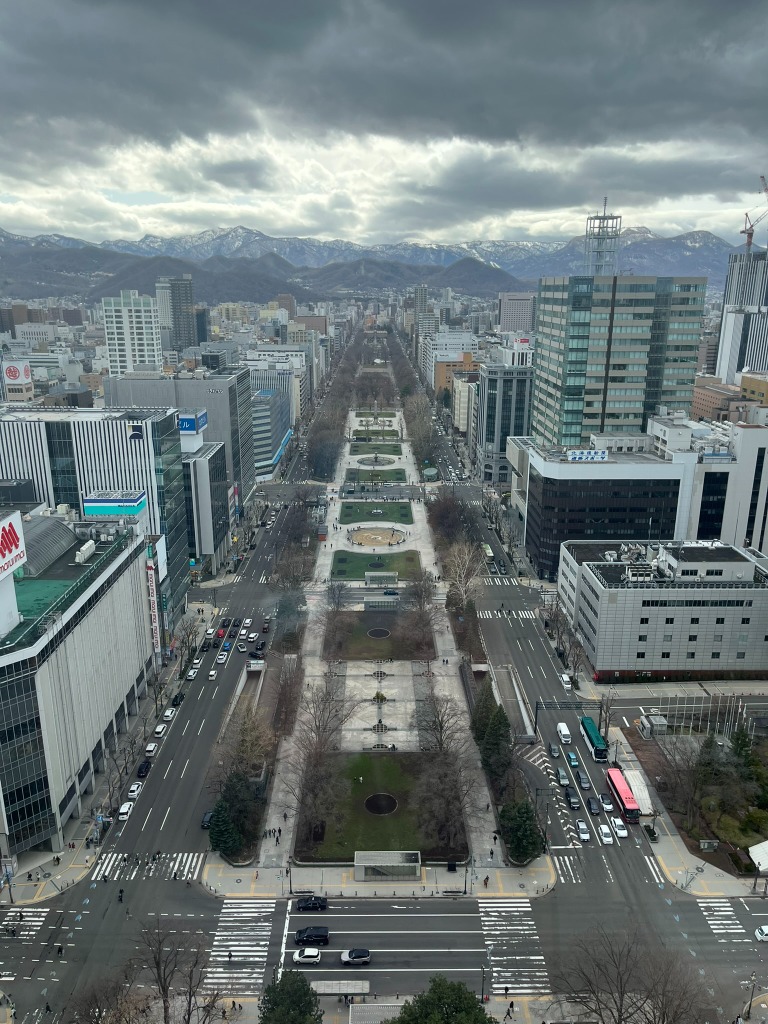
札幌・大通公園

Next, let’s hop on an express train to Hokkaido’s largest city, Sapporo. The heart of the city is Odori Park, the iconic venue of the world-famous Sapporo Snow Festival. From the TV Tower, the straight stretch of the park against a backdrop of distant snow-capped mountains is simply paw-some!

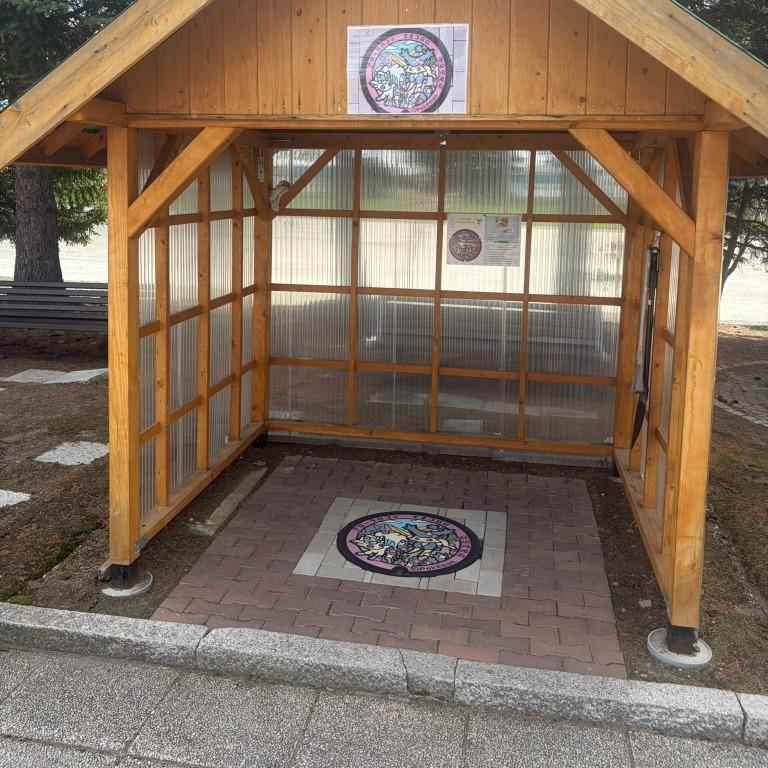
上富良野町のポケふたシェルター

While in Sapporo, make sure to venture to Kamifurano in central Hokkaido. Here, you’ll discover a charming wooden shelter built to protect a Poké Lid from the harsh winter snow. It’s a testament to the love locals have for Pokémon and nature—a truly photo-perfect spot!

✈️ Access to Sapporo & Kamifurano

  • By Air: New Chitose Airport (CTS) is the main hub, about a 90-minute flight from Tokyo. A rapid train connects the airport to Sapporo Station in about 40 minutes.
  • By Rail: The JR Hokuto express train takes about four hours from Hakodate to Sapporo. To reach Kamifurano, combine a JR express train with local trains (or consider renting a car) for a journey of about 2.5 to 3 hours.

🏨 Recommended Accommodation

  • JR Tower Hotel Nikko Sapporo: Directly connected to Sapporo Station, this hotel offers unbeatable convenience. The night view of Sapporo from the high floors is stunning, making it an ideal base for long-distance travelers.
    🔗 Search on Booking.com / Search on Agoda

🍣 Local Gourmet

  • Jingisukan (BBQ Lamb): Savor Hokkaido’s signature dish at popular spots like "Daruma," paired perfectly with a cold beer.
  • Sapporo Miso Ramen: A rich miso broth topped with butter and corn—a true Hokkaido style to warm you from the inside out.

🗺️ Spot 3: Wakkanai – Japan’s Northernmost Point and the Ultimate Treasure Hunt

日本最北端の地碑

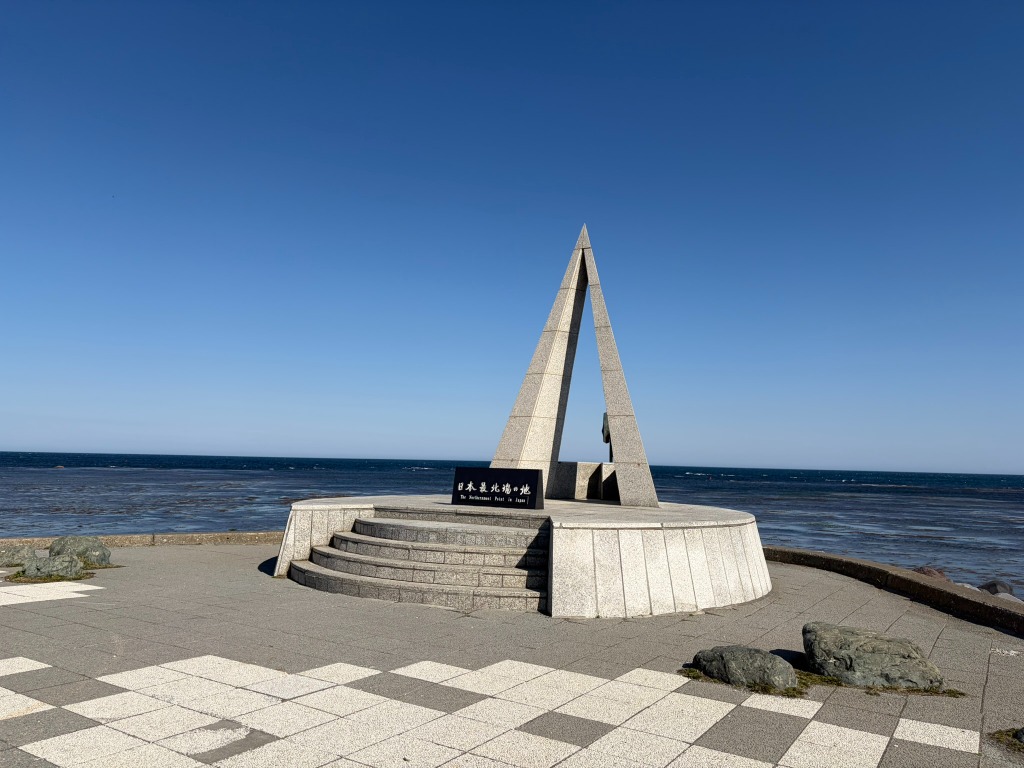
The climax of our treasure hunt is in Wakkanai, Japan’s northernmost city. At Cape Soya, you can gaze beyond the sea to glimpse the silhouette of Russia’s Sakhalin Island. Reaching the "Edges of Japan" gives a sense of accomplishment you won’t find elsewhere.

Of course, a unique Poké Lid awaits you here too. Traversing the immense distances from Hokkaido’s south to its northern tip to uncover all the Alolan Vulpix will reveal the true joy of this "treasure hunt."

✈️ Access to Wakkanai

  • By Air: Direct flights to Wakkanai Airport (WKJ) are available from Tokyo (Haneda) and Sapporo (New Chitose). Flying is a must to save time.
  • By Rail: The JR Soya express train takes over five hours from Sapporo, offering an adventure through vast wilderness. Ideal for Japan Rail Pass holders.

🏨 Recommended Accommodation

  • Dormy Inn Wakkanai: This hotel features a natural hot spring, perfect for relaxing in the face of harsh northern cold. It’s friendly to foreign travelers and offers a popular free ramen service at night.
    🔗 Search on Booking.com / Search on Agoda

🍣 Local Gourmet

  • Tako Shabu: An exquisite hot pot featuring slices of giant water octopus, a Wakkanai specialty.
  • Sea Urchin (Uni): The sea urchin from Wakkanai and nearby Rishiri and Rebun Islands is of the highest quality in Japan. Its sweet, melting texture is a memory to cherish for life.

Summary

By adding the quest to find Poké Lids to your Hokkaido itinerary, your journey transforms into an epic RPG-style adventure. So bundle up in your warmest gear, and embark on a quest to discover the world’s most charming manhole covers amidst stunning landscapes!

A Note from OHA: The Land That Tests You

(A quick message from my human companion and photographer, OHA!)

“Hokkaido is famous for its vast, open landscapes, heavy winter snows, and wild animals like the mighty brown bear. Because of its harsh yet beautiful nature, it is sometimes referred to as ‘The Land That Tests You’ (Tamesareru Daichi) by the Japanese.

However, nature isn’t the only thing testing you here! With an endless abundance of incredible food from the surrounding seas, local farms, and ranches, combined with the endless nightlife of Susukino—one of Japan’s top three entertainment districts—your willpower is constantly being challenged. Landing in this vast, delicious land… I feel like I am truly being tested right now!”

[Matatabi Taro’s Travel Tip]

He says he’s ‘being tested,’ but he’s just eating seafood bowls and drinking beer every night! Anyway, when hunting for Poké Lids in Hokkaido, make sure to plan your transportation carefully, as the distances between locations are absolutely massive, meow!

The Real Ghost of Tsushima: A Journey to Japan’s Edges

Eye-catching Image

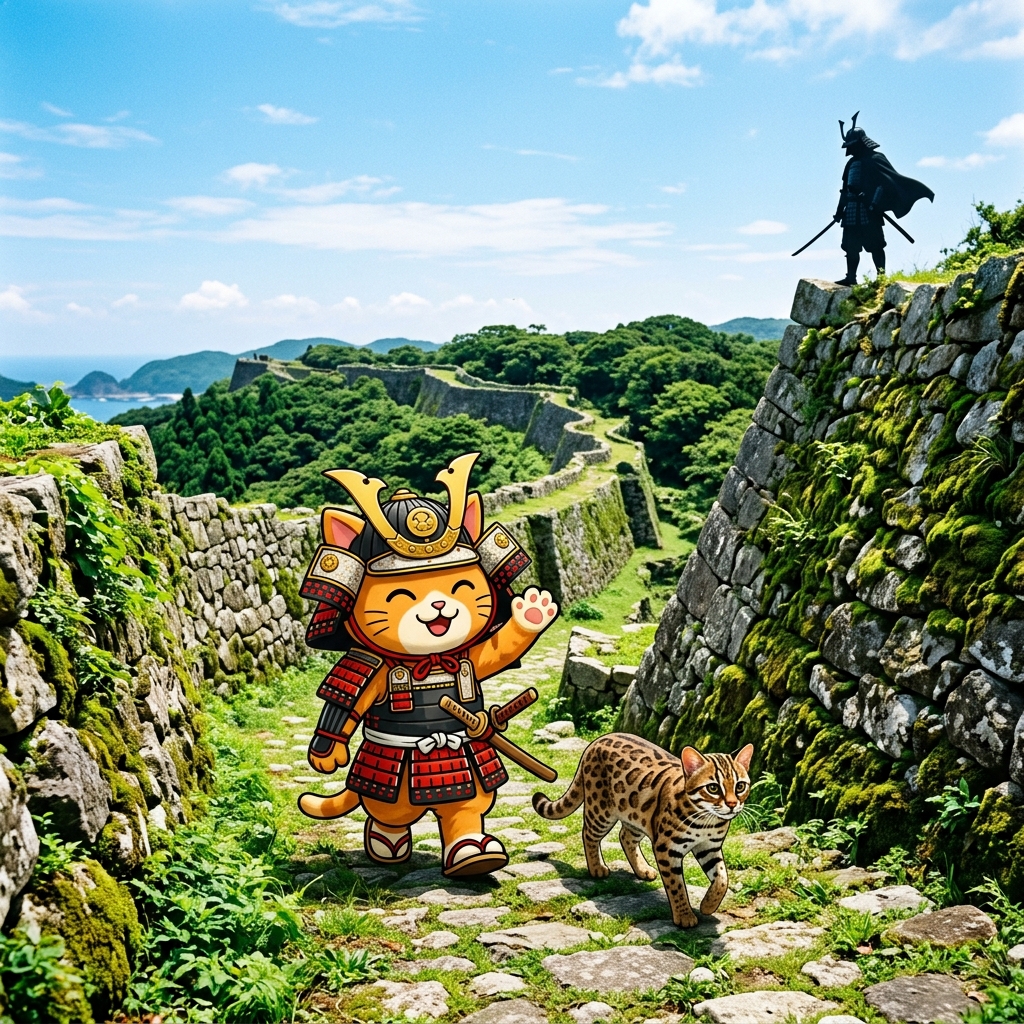
Hello, fellow travelers! I’m Matatabi Taro, your adorable and slightly mischievous feline guide to the wonders of Japan. Today, we’re setting our paws on Tsushima Island, floating in the Genkai Sea off northern Kyushu. This island is just a whisker away from South Korea, about 50 km, making it a historic bridge between Japan and the Asian continent. Tsushima has long been a cultural and trade hub, and at times, a frontline of national defense.

Recently, Tsushima gained global fame as the setting for the blockbuster game, "Ghost of Tsushima." But beyond the pixels lies a real island with untouched natural beauty, ancient mountain fortress ruins, and a unique ecosystem that remains largely intact. In this blog post, I’ll reveal Tsushima’s allure, how to get there, must-see attractions, and even some local culinary delights for travelers from abroad.


⚔️ History: The Spirit of the Samurai and Memories of Mongol Invasions

Tsushima holds a significant place in Japanese history. During the Mongol invasions of the 13th century, a small band of just 80 samurai took a stand against the overwhelming Mongol forces. This dramatic battle is vividly depicted not only in the game but also in the historical anime "Angolmois: Record of Mongol Invasion." As you explore the island’s scattered ancient mountain castles and defense ruins, you can still feel the samurai’s pride and the tense atmosphere of those times.


🗺️ Access: Detailed Guide to Reaching Tsushima

To reach Tsushima, Fukuoka or Nagasaki in Kyushu serves as your primary hub. Choose the route that best suits your schedule and travel style.

✈️ By Air (Fastest and Most Convenient)

For those looking to maximize limited travel time, flying is purr-fect.

  • Fukuoka Airport (FUK) ⇔ Tsushima Yamaneko Airport (TSJ)
    • Airlines: ANA / ORC
    • Flights & Duration: 4–5 flights daily, about 35 minutes
  • Nagasaki Airport (NGS) ⇔ Tsushima Yamaneko Airport (TSJ)
    • Airline: ORC
    • Flights & Duration: 2–3 flights daily, about 35 minutes

🚢 By Sea (Leisurely Boat Trip)

Ideal for those who wish to savor a scenic sea journey.

  • Hakata Port (Fukuoka) ⇔ Izuhara Port (South Tsushima)
    • High-speed Ferry (Jetfoil): About 2 hours 15 minutes (a popular balance of speed and comfort)
    • Ferry: About 4 hours 45 minutes (a relaxing voyage)
  • Hakata Port (Fukuoka) ⇔ Hitakatsu Port (North Tsushima)
    • Ferry: About 5 hours 50 minutes

[!TIP]
Ferry Booking for International Travelers
The ferries and high-speed boats are operated by "Kyushu Yusen." Be sure to check the schedule and make reservations using their multilingual official site or a global ferry booking platform.
🔗 Kyushu Yusen Official Website (English)
🔗 Direct Ferries (Global Booking Platform)

Note: Tsushima is a sprawling island, about 82 km from north to south. Public transport is limited, so renting a car in advance is essential for getting around.


🚗 Getting Around: Essential Car Rental Guide for International Visitors

To fully enjoy Tsushima’s stunning nature and scattered historical sites, renting a car is a must. Here are some points to keep in mind for international travelers:

1. Prepare an International Driving Permit (IDP)

You’ll need an International Driving Permit (IDP) under the 1949 Geneva Convention to drive in Japan. Make sure to get it before leaving your home country.
(Note: Drivers from Switzerland, Germany, France, Belgium, Monaco, and Taiwan can drive with their licenses and an official Japanese translation.)

2. Reserve Months Ahead!

As an island, Tsushima has a limited number of rental cars. During peak seasons (spring to autumn), you might not find any available cars if you don’t book early. Once you secure your flight and accommodation, reserve a car with providers like Toyota Rent a Car or Orix Rent a Car.

3. Driving Rules in Japan (Left-Hand Traffic)

In Japan, we drive on the left side of the road. Tsushima’s roads can be narrow and winding through mountains, so drive cautiously and slow down. Watch out for wildlife like the Tsushima Leopard Cat and deer!


📸 Highlights: Must-See Attractions

Tsushima’s charm lies in its perfect blend of breathtaking nature and historical structures.

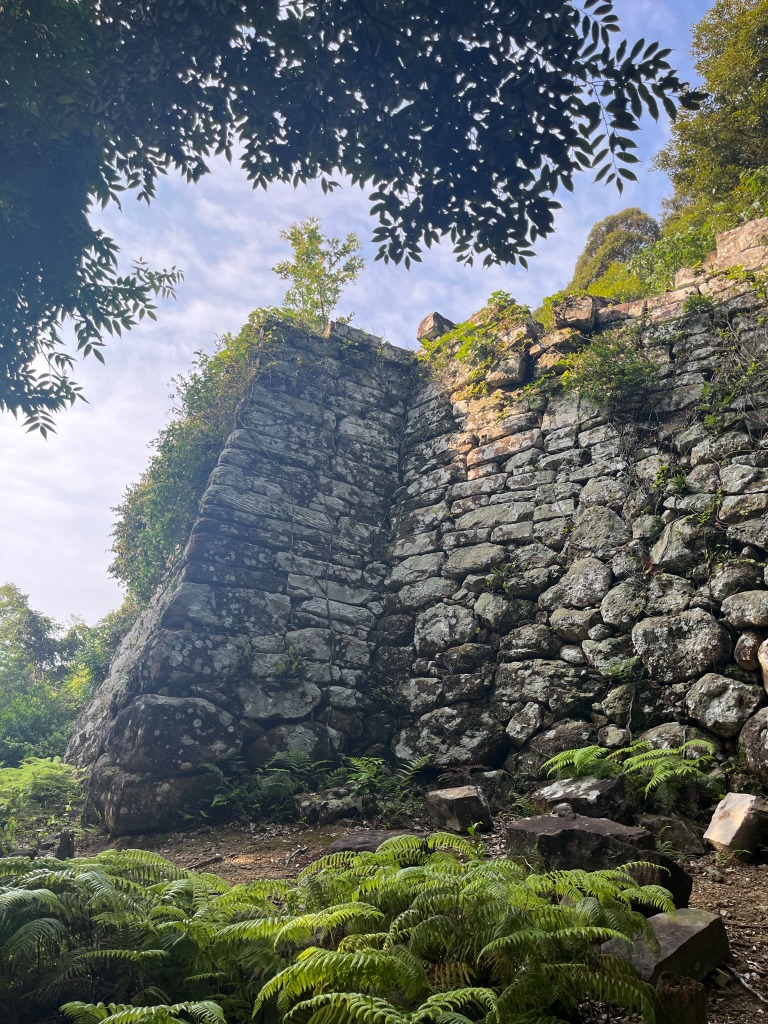
1. Kaneda Fortress Ruins

Kaneda Fortress Ruins
This ancient mountain fortress was built in the 7th century to ward off continental invasions. The towering cliffs and massive stone walls stand as sentinels of history. The panoramic view of Aso Bay from the summit is a treat for any fan of "Ghost of Tsushima."

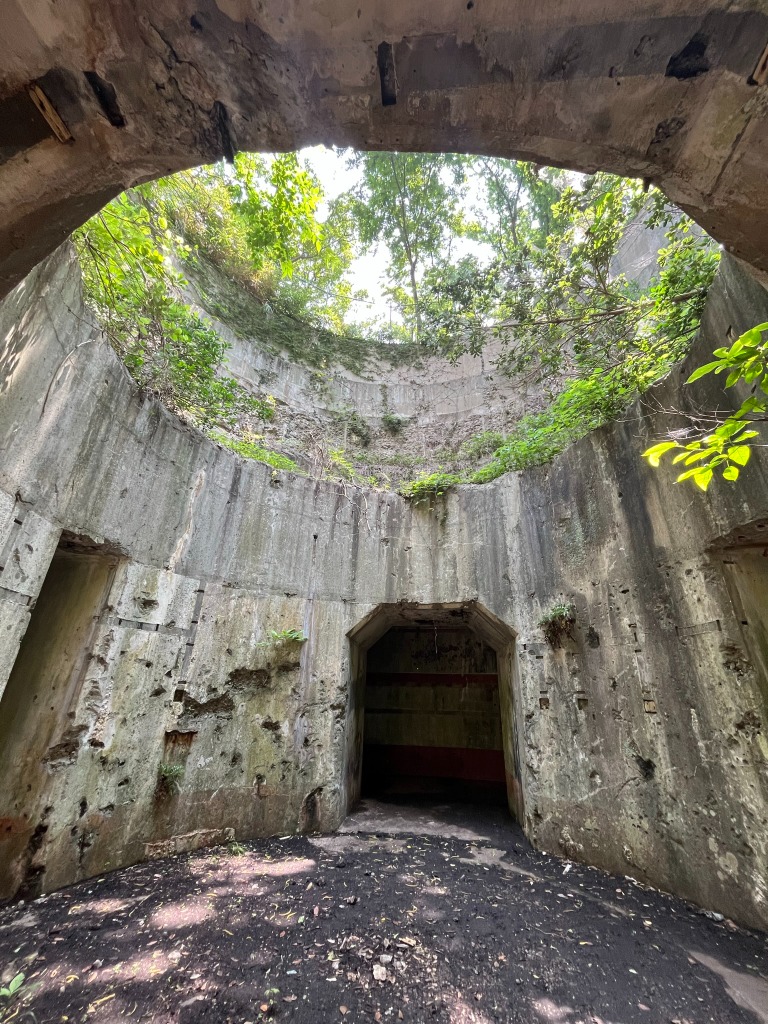
2. Toyo Artillery Battery Ruins

Toyo Artillery Battery Ruins
Built in the early Showa era, this colossal artillery site never saw action. The thick concrete walls and the light streaming through gaping holes create a mysterious atmosphere. You can explore the interior and feel the allure of history.

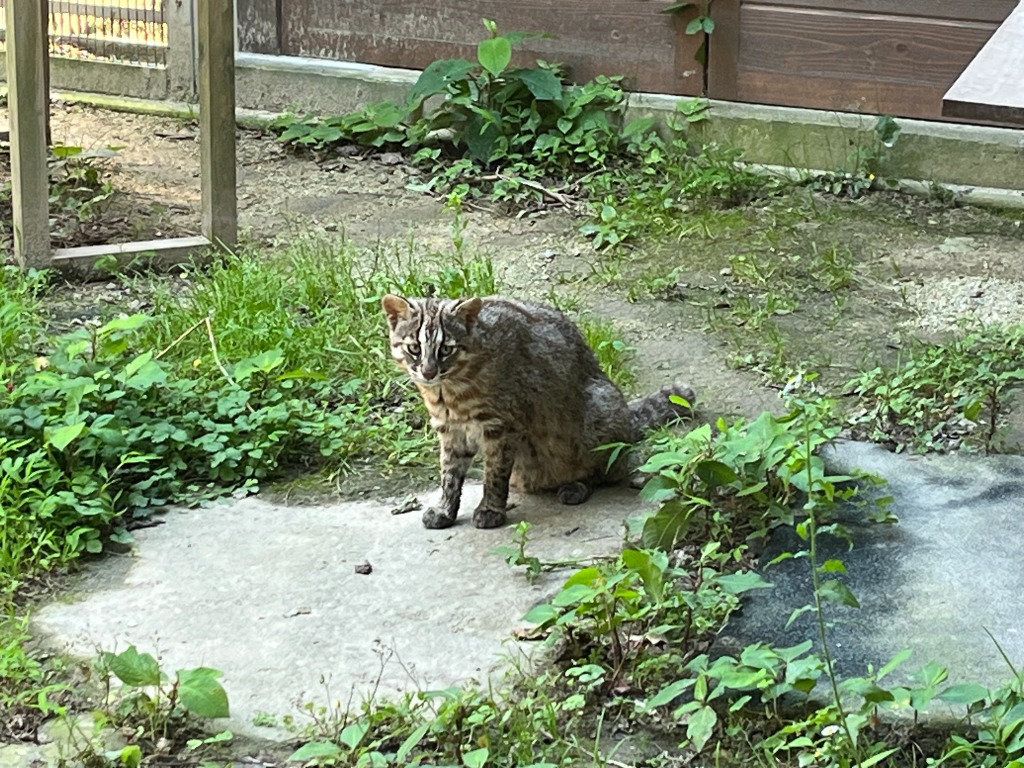
3. Tsushima Leopard Cat

Tsushima Leopard Cat
At the top of Tsushima’s ecosystem is the endangered wild cat. Visit the Tsushima Wildlife Conservation Center for a chance to see these beautiful creatures, symbolic of the island’s rich natural environment.

💡 Other Must-See Spots

  • Watatsumi Shrine: Known for its torii gate rising from the sea. At high tide, it appears to float, echoing Japan’s ancient dragon palace legends.
  • Banshoin Temple: The So clan’s family temple, featuring a grand stone staircase called Hyaku-Gangi. It exudes tranquility and solemnity.
  • Eboshidake Observatory: Offers 360-degree panoramic views of the rias coastline of Aso Bay, making it Tsushima’s top scenic spot.

🏨 Accommodations: Recommended Places to Stay

For a convenient base to explore the island, staying in the southern area of Izuhara is recommended.

  • Toyoko INN Tsushima Izuhara
    Close to Izuhara Port, with plenty of dining options nearby. It’s user-friendly for international guests, providing a comfortable and worry-free stay.
    🔗 Search on Booking.com / Search on Agoda

  • Tsushima Grand Hotel
    Ideal for those who wish to enjoy ocean-view hot springs and fresh local seafood. With a breathtaking location overlooking the border sea, it’s perfect for a relaxing resort stay.
    🔗 Search on Booking.com / Search on Agoda


🍣 Local Gastronomy: Delicious! Tsushima Local Food

Blessed with rich seas and mountains, Tsushima offers unique local dishes you can’t miss.

  • Golden Conger Eel
    Thick and premium conger eel raised in the fast currents off Tsushima. Highly recommended is the "Anago-tei," featured in the Michelin Guide. The golden, crispy yet fluffy "Anago Katsu Set Meal" (~¥2,000) is a must-try.
  • Taishu Soba
    Close to the original species, this 100% buckwheat soba has a robust aroma and rich flavor, distinct from typical Japanese soba. Enjoy it at places like "Soba Dojo Mitsushima."
  • Rokube
    A local dish made from fermented sweet potato noodles in a flavorful broth. Despite its striking appearance, it’s a gentle soul food that warms the stomach.

Summary
Epic history, breathtaking landscapes, and unique culinary delights—Tsushima is the ultimate destination for travelers eager to experience Japan’s deep culture and natural wonders. Whether you’re on a pilgrimage to the game’s real-world setting or seeking an extraordinary adventure, this miraculous island is waiting for you!

A Note from OHA: Mountains and Rare Cats

(A quick message from my human companion and photographer, OHA!)

“Despite being an island, the vast majority of Tsushima’s land is actually mountainous. So, when you’re driving around exploring, you’ll find yourself weaving through deep, lush mountains far more often than driving along the coast.

Tsushima is also famous for the critically endangered Tsushima Leopard Cat. They say that if you are incredibly lucky, you might just spot one crossing the road. Unfortunately, I didn’t manage to encounter one during our drive… but then again, I realized I had an even rarer ‘traveling cat’ sitting right in the passenger seat next to me!”

[Matatabi Taro’s Travel Tip]

Hey, who are you calling rare?! Anyway, driving in Tsushima requires navigating many winding mountain roads, so always rent a car, drive carefully, and keep an eye out for wildlife, meow!

The Ultimate Guide to Experiencing J-League: Your Ticket to Japan’s Soccer Magic

Introduction

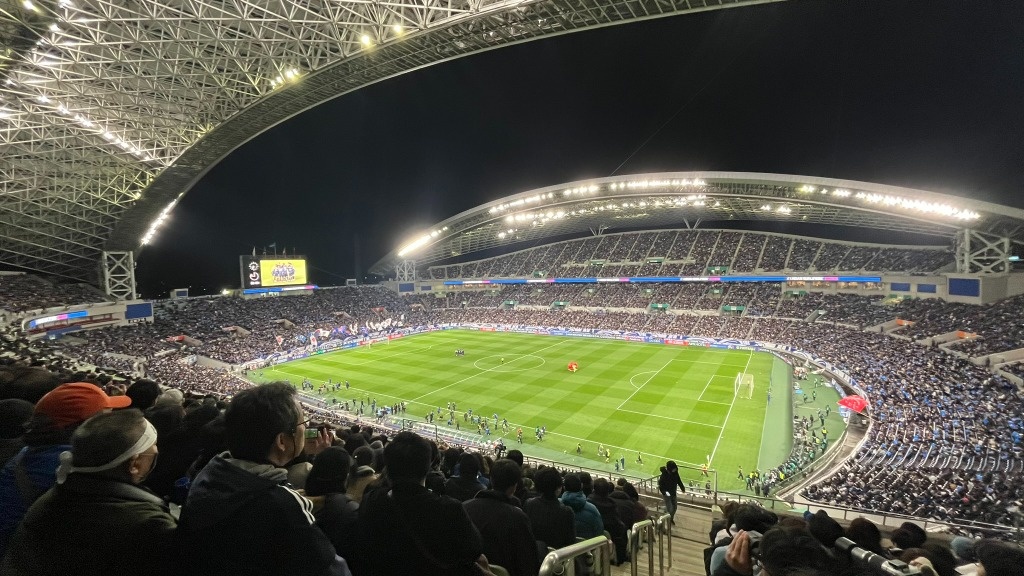
Hello there, fellow travelers! I’m Matatabi Taro, your purr-fect travel guide cat with all things Japan, and today, I’m here to whisker you away into the thrilling world of Japanese soccer—J-League! While temples, sushi, and anime might be on your Japan bucket list, there’s an electrifying experience waiting for sports fans: watching a J-League match!

Japan’s stadiums are some of the safest and cleanest globally, offering a unique blend of passionate cheering and a respectful culture that embraces even away supporters. It’s a one-of-a-kind entertainment space! Join me as I guide you through the ultimate checklist for enjoying J-League during your travels.

J-League Atmosphere

Choosing Your Match and Key Clubs

The J-League season has aligned with European schedules, spanning from August to May. This shift means you’ll catch games during the pleasant autumn to spring months, excluding the winter break. Let’s dive into the clubs you should keep an eye on:

Vissel Kobe

  • Known globally thanks to former Spanish national player Andrés Iniesta, Vissel Kobe dazzles with star-studded performances.

Kashima Antlers

  • Dominating with the most J-League victories, this club is a legacy in itself, with foundations laid by the legendary Brazilian Zico.

Urawa Reds

  • Featuring one of Asia’s largest and most enthusiastic fan bases, Urawa Reds’ stadium atmosphere rivals Europe’s mega clubs.

Top 5 Stadiums for Foreign Visitors

Nissan Stadium (Kanagawa, Yokohama)

  • Home Team: Yokohama F. Marinos
  • Features: Host of the 2002 World Cup final, this stadium is Japan’s largest, accommodating about 70,000 fans.
  • Access: A quick 14-minute walk from Shin-Yokohama Station (JR Yokohama Line), and just 17 minutes by Shinkansen from Tokyo Station.

Saitama Stadium 2002 (Saitama)

Saitama Stadium 2002

  • Home Team: Urawa Reds
  • Features: As Asia’s largest soccer-specific stadium, it’s a sea of red with Urawa Reds’ passionate choreographed support.
  • Access: From Tokyo Station, take the JR Keihin-Tohoku Line to Oji Station, transfer to the Tokyo Metro Namboku Line to Urawa-Misono Station, then a 15-minute walk.

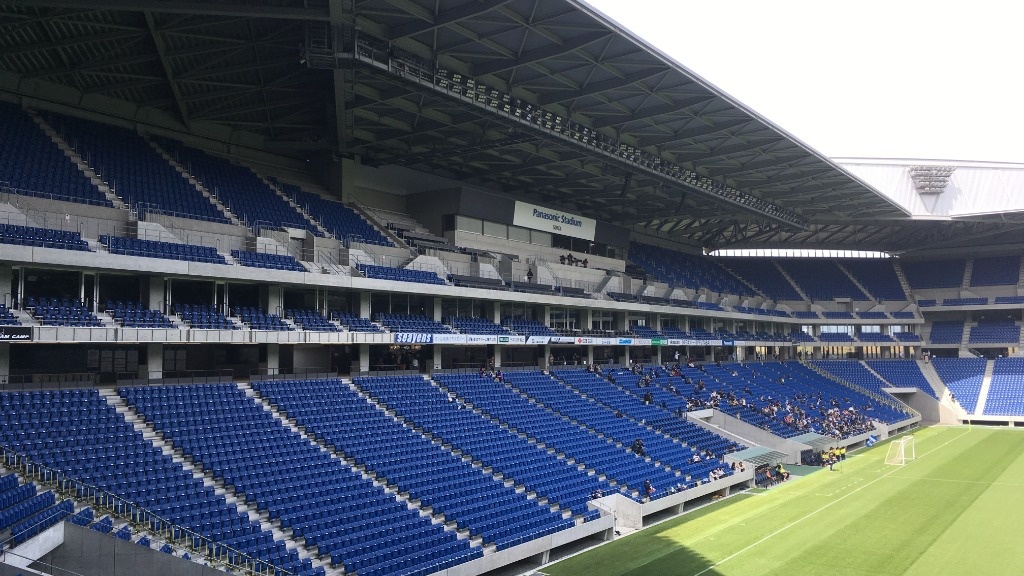
Panasonic Stadium Suita (Osaka)

Panasonic Stadium Suita

  • Home Team: Gamba Osaka
  • Features: A premier stadium with close proximity to the pitch, allowing you to hear every kick and cheer.
  • Access: From Shin-Osaka Station, take the Osaka Metro Midosuji Line to Senri-Chuo Station, then transfer to the Osaka Monorail to Banpaku-Kinen-Koen Station.

Yodoko Sakura Stadium (Osaka)

  • Home Team: Cerezo Osaka
  • Features: A vibrant pink stadium with the shortest distance to the touchline at just 5.8m!
  • Access: Only 5 minutes by train from Tennoji Station to Tsurugaoka Station, then a 3-minute walk.

Toyota Stadium (Aichi)

Toyota Stadium

  • Home Team: Nagoya Grampus
  • Features: Nestled in Toyota City, this stadium resembles a European fortress with steep stands and breathtaking views.
  • Access: From JR Nagoya Station, transfer to Meitetsu Nagoya Station and take a 50-minute ride to Toyota-shi Station.

How to Check Schedules and Buy Tickets

Buying tickets on match day can be risky due to sellouts, so online purchase is a must!

Step 1: Check the Schedule

  1. Visit the J-League’s official English website (J.LEAGUE.co).
  2. Navigate to "Fixtures/Results" to filter by month and "J1 League" for top matches to fit your travel plans.

Step 2: Purchase Tickets

  1. Click "Buy Tickets" next to your match of choice or visit the English J.LEAGUE Ticket site.
  2. Register for a free J.LEAGUE ID.
  3. Choose your match and seating:
    • Main Stand for a relaxed view.
    • Home End/Supporter Seat for an immersive experience (beware: don’t wear the opposing team’s gear here!).
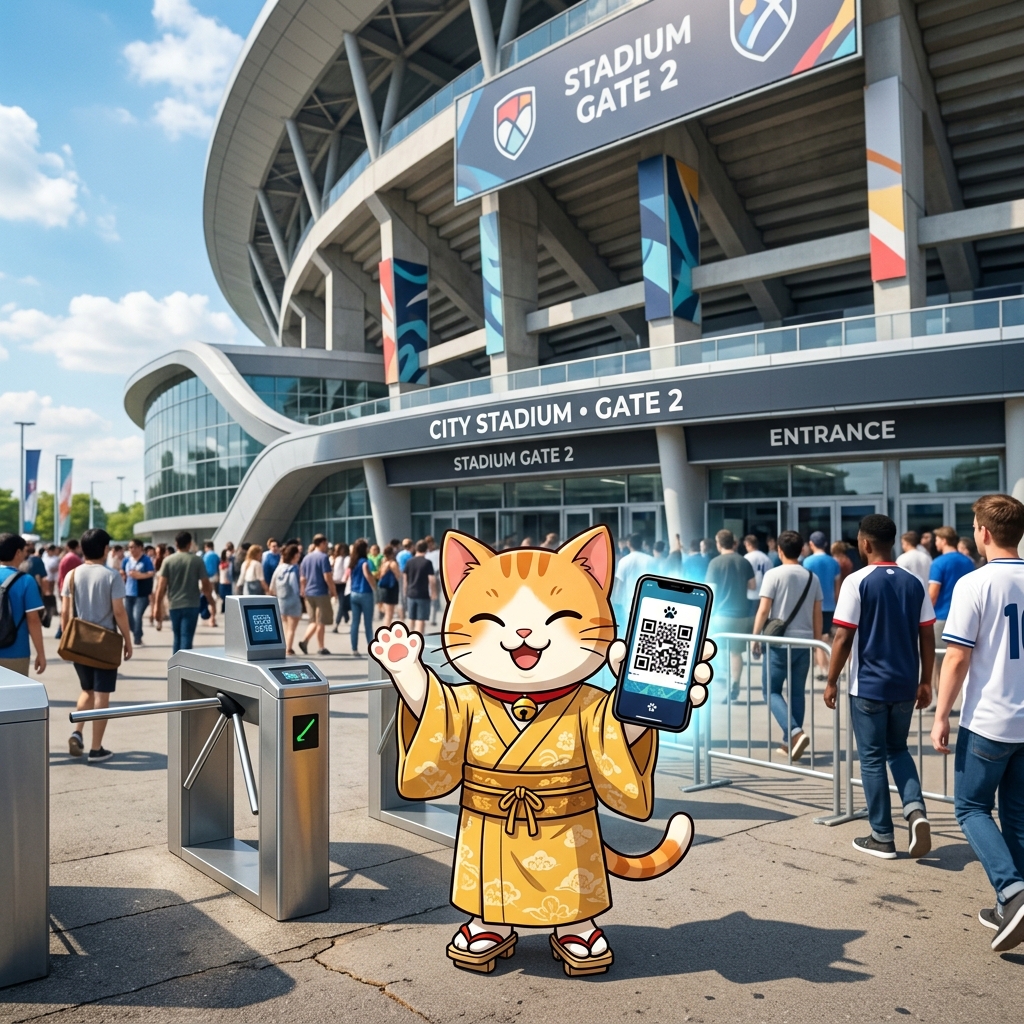
  4. Pay with an international credit card and receive a QR code ticket on your smartphone for entry.

Digital QR Ticket

Entering the Stadium

Arrive 2 hours before kick-off for a smooth experience. Show your smartphone’s QR code at entry, but first, you’ll go through a security check.

  • Bag Check: Prepare by unzipping your bag for inspection.
  • What to Bring: Bottled drinks are often allowed, but glass and cans are prohibited. If asked "Bin, Kan?", you can transfer the contents to a paper cup provided.

Beyond the Match: Stadium Food and Mascots

J-League matches are more than just a game; they’re a feast and a festival!

Stadium Gourmet
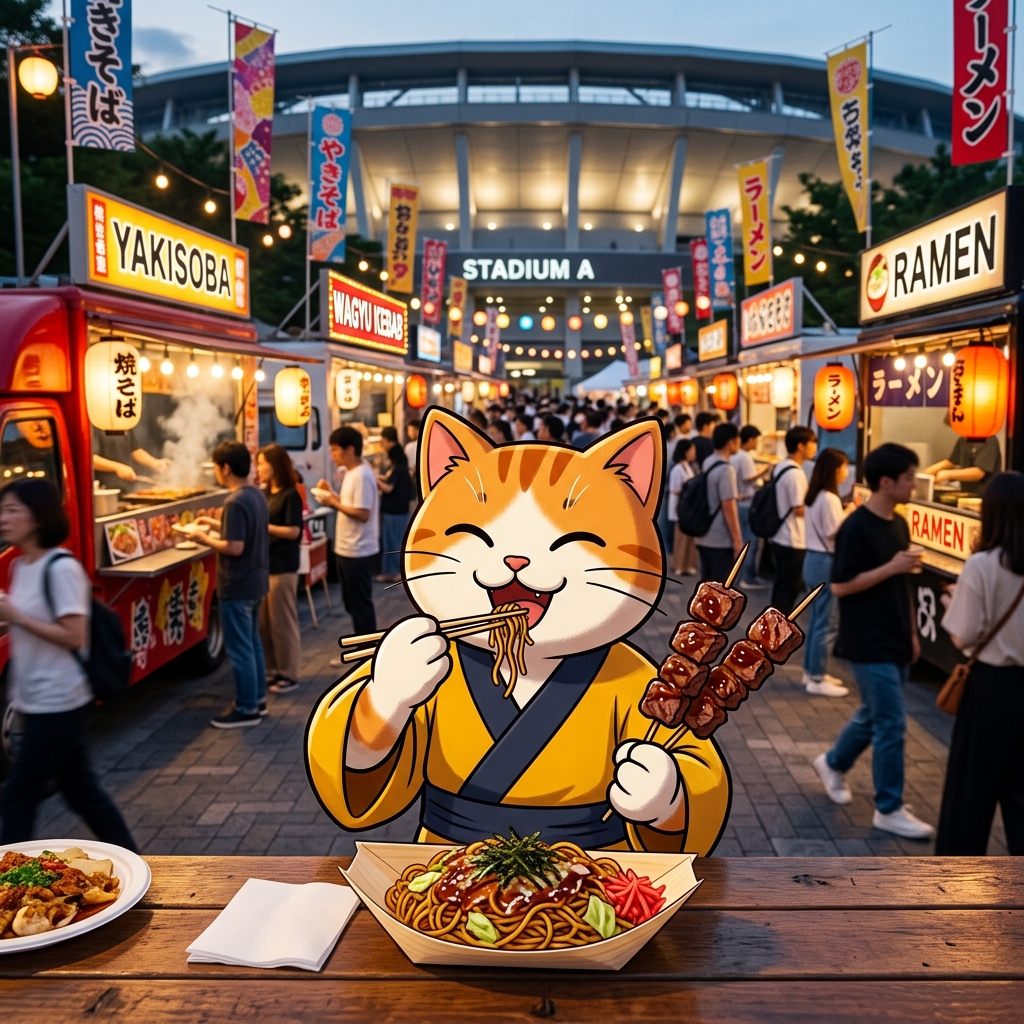
Stadium Gourmet

  • Variety: From traditional yakisoba and takoyaki to deluxe wagyu skewers and local ramen, there’s something for every palate!
  • Seating Perks: Enjoy your meal and local craft beers at your seat while watching warm-ups.
  • Tip for Tourists: Most stadiums are cashless! Ensure you have a credit card or an IC card (like Suica).

Mascot Greetings

  • J-League mascots are more than costumes; they’re beloved celebrities!
  • Look for mascot greets 1-2 hours before matches. They’re friendly, camera-ready, and happy to pose for photos and high-fives.

Embracing Japanese Soccer Culture

Japanese fans are as passionate as they are polite, offering a unique spectator experience.

  • Safety: No flares or dangerous items. Families and children are welcome!
  • Respect for Rivals: Little to no excessive booing or violence. Post-game, fans often exchange respectful gestures.
  • Clean-Up Culture: Known worldwide for tidying up post-match, join in to experience gratitude from Japanese fans.

Grab your tickets and immerse yourself in the exhilarating world of J-League! I’ll see you at the stadium, ready to cheer together!

A Note from OHA: Soccer, Life, and How to Never Lose

(A quick message from my human companion and photographer, OHA!)

“One of the greatest thrills of soccer is watching your favorite team claim victory. However, there are times when they lose, leaving you with bitter frustration. But that is the essence of soccer—and it’s exactly why some people say soccer mirrors life itself.

If you want to avoid that heartbreak, let me suggest a foolproof way to enjoy the stadium. Once you arrive, indulge in all the amazing stadium gourmet food, interact with the adorable mascots, and enjoy the pre-game festivities. Once you’ve had your fill of fun… simply leave the stadium right before the kickoff whistle blows! That way, you’ll go home with nothing but happy memories. (Just kidding, of course!)”

[Matatabi Taro’s Travel Tip]

We promise the actual 90 minutes of the game are worth staying for! Even if your team loses, the passionate stadium atmosphere in the J-League is an unforgettable experience you don’t want to miss, meow!

Aomori Deep Travel Guide: Sacred Mountains, Seagull Shrines, and the Tomb of Christ

osorezan lake sq

Welcome to the deep north of Japan! Aomori Prefecture, located at the northernmost tip of Japan’s main island (Honshu), is a region deeply rooted in ancient spirituality, breathtaking natural landscapes, and some of the most mysterious and profound folklore in the country. While most tourists flock to Tokyo or Kyoto, those who venture into Aomori are rewarded with a journey that touches the soul.

Today, we will explore three of the most extraordinary and spiritually significant sites in Aomori: The Kabushima Shrine, where tens of thousands of seagulls guard a goddess of wealth; Mount Osore, one of Japan’s three most sacred mountains that serves as the gateway to the afterlife; and the baffling “Tomb of Christ,” a legendary site wrapped in incredible myth. Let’s embark on this deep spiritual journey!

1. General Access Guide: Reaching Aomori

Aomori may feel like a different world, but it is surprisingly accessible from Tokyo.

From Tokyo Station (By Train)

The easiest and most scenic way to reach Aomori is by taking the Tohoku Shinkansen (Bullet Train). Board the “Hayabusa” train from Tokyo Station. In just about 2 hours and 45 minutes, you will arrive at Hachinohe Station. This will be your primary hub for exploring the coastal and eastern regions. The Japan Rail (JR) Pass fully covers this route!

From Haneda Airport (By Air)

If you prefer flying, domestic flights operated by JAL and ANA offer quick access. A flight from Haneda Airport to Misawa Airport (near Hachinohe) takes only about 1 hour and 20 minutes.

2. Kabushima Shrine: The Island of Tens of Thousands of Seagulls

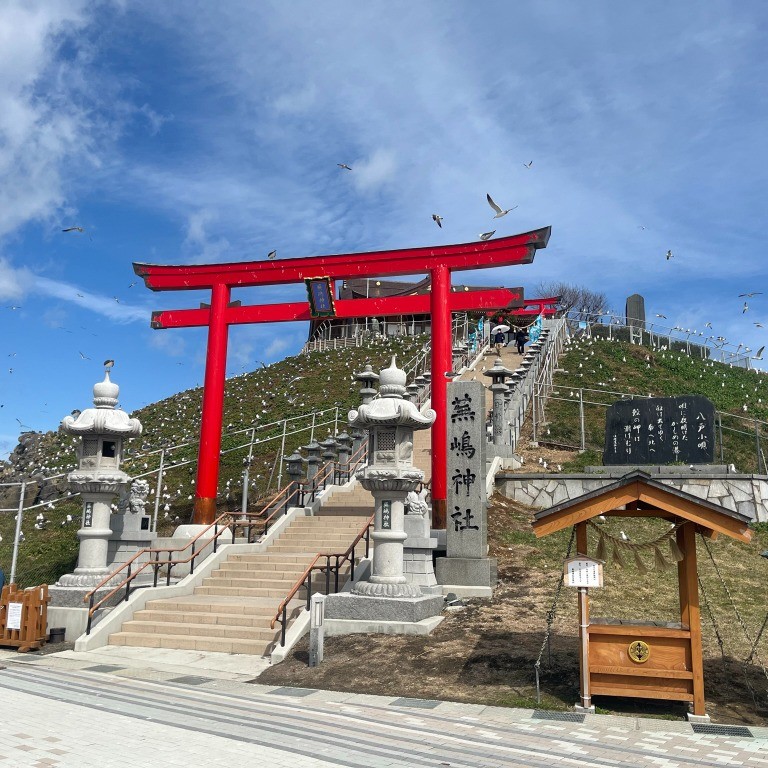
Kabushima Shrine Red Torii Gate

The Historical and Religious Background

Kabushima Shrine (蕪嶋神社) is located in the coastal city of Hachinohe. Although it is called an “island” (shima), it is currently connected to the mainland. The shrine was originally established in the 13th century and is dedicated to Benzaiten, the Buddhist and Shinto goddess of wealth, music, eloquence, and water. Fishermen have worshipped here for centuries, praying for safe voyages and bountiful catches.

In 2015, the main shrine building tragically burned down in an electrical fire. However, the local community rallied together with overwhelming support, and the shrine was miraculously and beautifully rebuilt and reopened to the public in 2020. The stunning red torii gates leading up the hill against the backdrop of the deep blue Pacific Ocean is a sight to behold.

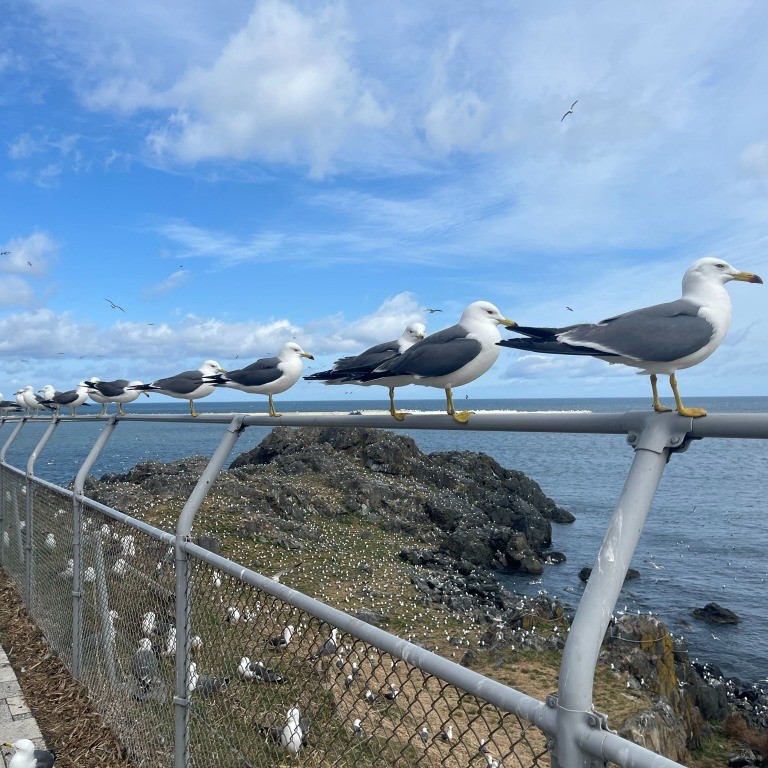
Black-tailed Gulls at Kabushima

The Phenomenon of the Black-tailed Gulls

What truly makes Kabushima unique in the world is its designation as a national natural monument due to the breeding grounds of the Black-tailed Gulls (Umineko). Every year from early March to August, an astonishing 30,000 to 40,000 seagulls flock to this tiny hill to lay their eggs and raise their chicks.

In Japanese culture, the gulls are considered the divine messengers of Benzaiten. Here, an amusing cultural pun exists: if a seagull drops its droppings (a “bomb”) on you, it is actually considered incredibly good luck! The Japanese word for droppings is “un” (運), which sounds exactly like the word for “luck” or “fortune.”

📍 Specific Access Guide to Kabushima Shrine

By Train & Foot: From Hachinohe Station, transfer to the JR Hachinohe Line and ride for about 20 minutes to Same Station (鮫駅). From Same Station, it is a pleasant 15-minute walk along the scenic coast to the shrine. Total travel time from Hachinohe Station is under 40 minutes.

3. Mount Osore (Osorezan): The Gateway to the Afterlife

The Hellish Landscape of Mount Osore

One of Japan’s Three Most Sacred Places

Moving further north to the axe-shaped Shimokita Peninsula, we arrive at Mount Osore (恐山, literally “Fear Mountain”). Alongside Mount Koya and Mount Hiei, Mount Osore is revered as one of the three most sacred sites in Japan. It was discovered over 1,000 years ago by the Buddhist monk Jikaku Daishi (Ennin) while he was searching for a sacred mountain that resembled the world of the Buddha.

Mount Osore is considered the boundary between the world of the living and the world of the dead. The landscape is profoundly dramatic. The area surrounding the Bodai-ji Temple is an active volcanic caldera. Steam vents hiss from the cracked, rocky ground, and the strong smell of sulfur fills the air. This barren, desolate area is fittingly called “Hell” (Jigoku).

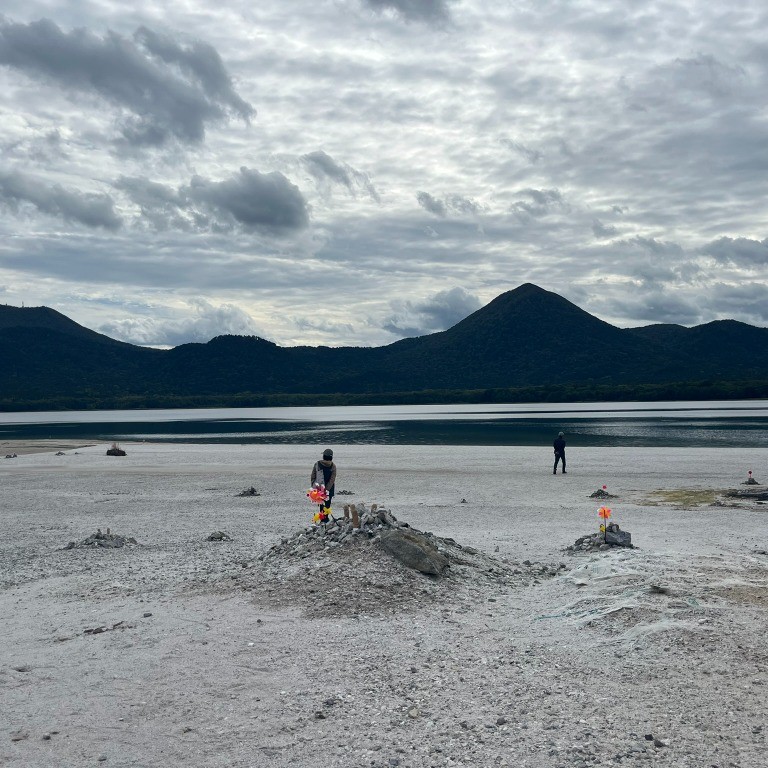
Lake Usori at Mount Osore with Pinwheels

Pinwheels, Jizo, and the Shamans

In stark contrast to the hellish rocks lies Lake Usori, a highly acidic caldera lake with stunningly clear, emerald-green waters and white sandy beaches. This tranquil area is known as “Paradise” (Gokuraku).

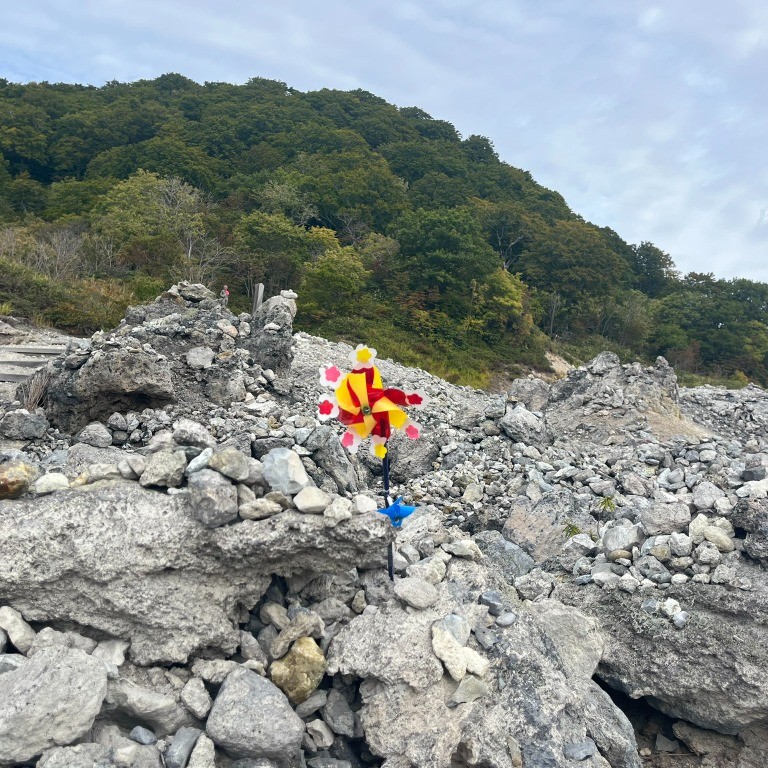
As you walk the grounds, you will notice countless colorful pinwheels (kazaguruma) spinning in the wind. These are placed by grieving parents to comfort the souls of children who died young. Mount Osore is also famous for the Itako—blind female shamans who undergo rigorous spiritual training. During the mountain’s grand festivals, the Itako perform a ritual to summon the spirits of the dead and deliver messages to mourning relatives.

📍 Specific Access Guide to Mount Osore

By Train & Bus: Getting to Mount Osore is a deep journey. From Hachinohe Station, take the Aoimori Railway to Noheji Station, then transfer to the JR Ominato Line to Shimokita Station (下北駅) (approx. 2 hours total). From Shimokita Station, board the Shimokita Kotsu Bus bound for Osorezan. The bus ride takes about 45 minutes, winding through deep forests until the caldera suddenly opens up before you.

4. The Tomb of Christ (Kirisuto no Haka): A Bizarre Historical Legend

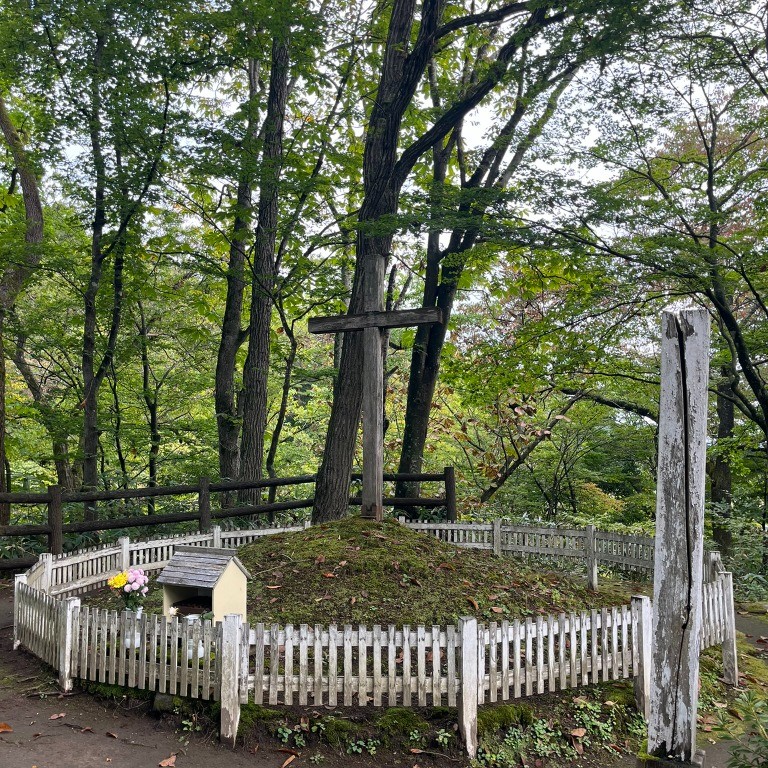
The Tomb of Christ in Shingo Village

The Greatest Mystery in the Snowy Mountains

If you drive deep into the rural, mountainous region of Shingo Village, you will encounter one of the most baffling legends in Japan: The Tomb of Jesus Christ.

A local legend based on the controversial and apocryphal “Takenouchi Documents” tells a wildly different story from traditional theology. The legend claims that Jesus actually escaped the crucifixion, and his younger brother, “Isukiri,” took his place on the cross. Jesus fled across Siberia and Alaska, arriving by boat at Hachinohe, before settling in this secluded Aomori village.

A Peaceful Life in Rural Japan

The legend elaborates that Jesus changed his name to “Daitenku Taro Jurai,” married a local woman named Miyuko, and fathered three daughters. He supposedly lived a peaceful life as a garlic farmer and passed away naturally at the incredible age of 106.

Visitors can see two large dirt mounds topped with wooden crosses. One is said to be the burial site of Jesus, while the other contains the ear of his brother Isukiri. Every June, the local “Christ Festival” is held. Locals dress in traditional yukata and dance a Bon Odori around the crosses, singing a mysterious song called “Nanya Doyara,” which some argue is an ancient Hebrew chant.

📍 Specific Access Guide to The Tomb of Christ

By Rental Car: Public transportation to Shingo Village is extremely limited. The best and most highly recommended way to visit the Tomb of Christ is by Rental Car. You can rent a car directly at Hachinohe Station. The drive to Shingo Village takes about 40 to 50 minutes along beautiful countryside roads (Route 454). A large parking lot is available near the tomb and the adjoining museum.

// Matatabi Taro’s Travel Diary

Aomori Prefecture is a treasure trove of the bizarre, the sacred, and the beautiful. From dodging seagull “bombs” at Kabushima to contemplating the afterlife at Mount Osore, and solving the mystery of the Tomb of Christ, the deep north offers an unforgettable journey into the heart of Japanese spirituality. Rent a car, pack your bags, and get ready for an adventure you will never forget, meow!

A Note from OHA: The Real Aomori Experience

(A quick message from my human companion and photographer, OHA!)

“Aomori is an absolutely incredible place, but I was surprised by how few foreign tourists I encountered during my travels there. It truly feels like an untouched frontier!

The prefecture is also vastly wider than you might expect. When I rented a car and drove up the Shimokita Peninsula to visit Mt. Osore, it honestly felt like I was racing through endless, winding mountain passes for half a day just to reach the temple. And in the winter? The snow gets incredibly deep. I have nostalgic memories of the local trains completely stopping due to the heavy snowfall, forcing me to entirely change my travel itinerary on the fly! But that unpredictability and raw nature is exactly what makes Aomori such an unforgettable adventure.”