The Ultimate Guide for Foreigners: What’s the Difference Between a Japanese Temple and a Shrine?

Hello there, fellow travelers! I’m Matatabi Taro, your purr-fect guide and a curious traveling cat exploring every nook and cranny of Japan. As you wander through Japan, you’ll undoubtedly encounter stunning traditional buildings both in bustling cities and serene mountain retreats. A question I often get from my foreign friends is, “Taro, is that a temple or a shrine? How do I tell them apart?”

Did you know Japan is home to around 160,000 temples and shrines? That’s more than the number of convenience stores across the country! At first glance, they might seem similar, but they actually belong to entirely different religions with their own unique histories and customs. Today, I’m here to make it as simple as a cat’s meow to understand the differences between Japan’s Buddhist temples and Shinto shrines.
Temple vs Shrine Comparison

The Fundamental Differences: Shinto and Buddhism

Let’s start with the basics: the religion itself.

Shrines (Jinja) are dedicated to Shinto.
Shinto is Japan’s indigenous nature-based spirituality. It’s based on the belief of "Yaoyorozu no Kami" or "8 million gods," where kami (gods) reside in everything from mountains and rivers to winds and even people. Shinto has no definitive scriptures or founders and focuses on gratitude towards nature and prayers for bountiful harvests.

Temples (Tera) are dedicated to Buddhism.
Buddhism originated in India in the 5th century BCE and made its way to Japan around the 6th century via China and Korea. It centers on the teachings of Buddha, aiming for enlightenment and peace in the afterlife, known as the Pure Land.

Historical Context: Once Upon a Time, They Were Mixed!

For much of Japan’s history, Shinto and Buddhism were intertwined in a practice known as "Shinbutsu-shugo." It was common to find shrines within temple grounds and vice versa. However, during the Meiji Restoration in 1868, the government issued a decree to separate the two religions, known as "Shinbutsu-bunri." Today, they are managed as separate entities, but Japanese culture still flexibly embraces both—visiting shrines for New Year and temples for funerals.

Key Features to Identify Shrines

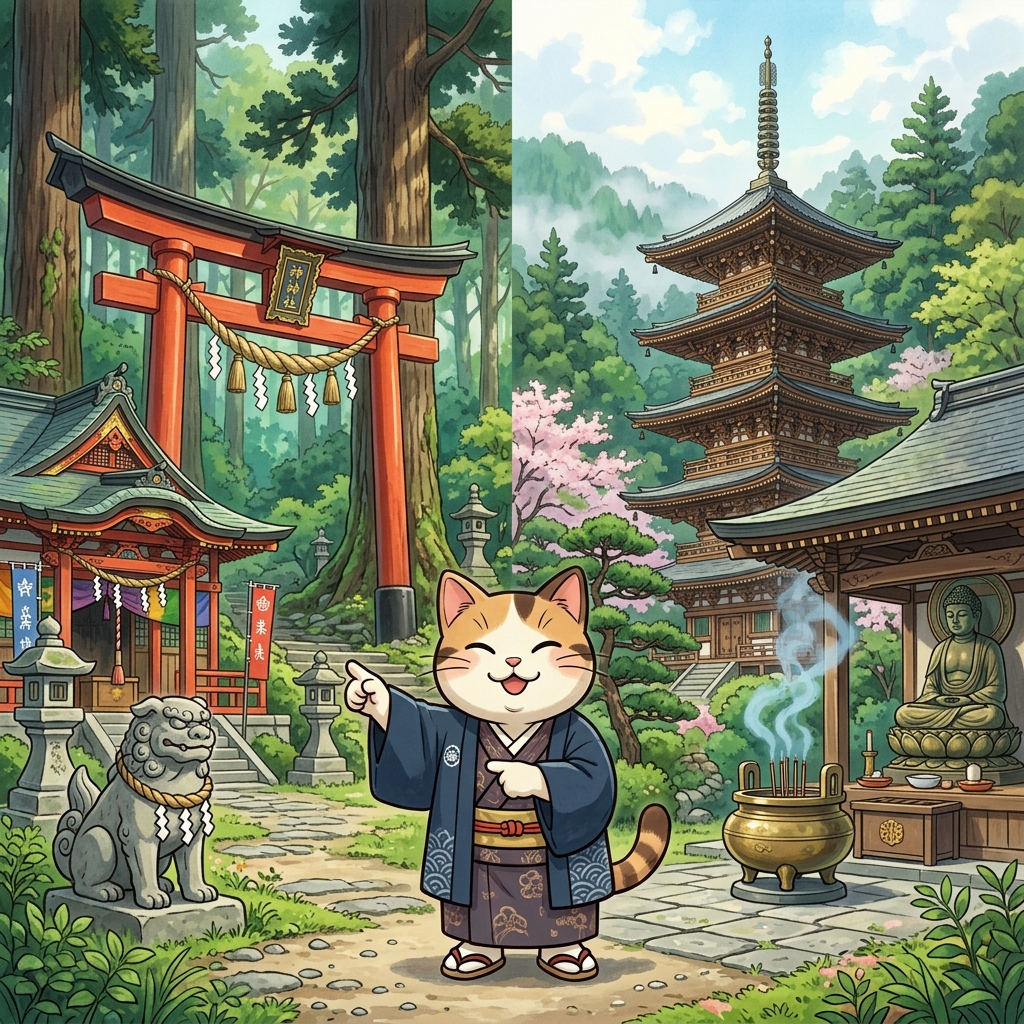
Spotting a shrine is simple if you know what to look for. The most distinctive feature is the "Torii gate" at the entrance. These gates, often red or made of stone, symbolize the boundary between the human world and the divine realm.

  • Komainu: These lion-dog guardians are found at the entrance, protecting the shrine from evil spirits.
  • Shimenawa: Thick straw ropes marking sacred spaces.
  • Chozuya: A water ablution pavilion where visitors cleanse their hands and mouth before entering.

Key Features to Identify Temples

Temples do not have torii gates. Instead, they feature imposing "Sanmon gates" with grand roofs.

  • Buddha Statues: The main hall of a temple houses statues of deities like Dainichi Nyorai or Kannon Bosatsu.
  • Pagoda: A tall tower designed to enshrine Buddha’s relics.
  • Jokoro: Large incense burners where visitors waft smoke over their bodies for health benefits.

Proper Etiquette When Visiting

Now that you can tell them apart, let’s talk about visiting etiquette, which can be quite the cat-challenge to remember!

Shrine Etiquette: “2 Bows, 2 Claps, 1 Bow”

  1. Toss a coin into the offering box.
  2. Ring the bell, if available, to greet the deity.
  3. Bow deeply twice.
  4. Clap your hands twice, then pray with your hands together.
  5. Bow deeply once more.

Temple Etiquette: “Silent Prayer”

  1. Toss a coin into the offering box.
  2. Gently ring any available bell.
  3. Do NOT clap your hands. Instead, pray silently with your hands together.
  4. Finish with a deep bow.

Pro tip from Taro: "Remember, clap at shrines, not at temples!" That’s all you need to know to impress!

Recommended Spots & How to Get There

Finally, here are must-visit spots that showcase each type beautifully.

Must-Visit Shrine: Fushimi Inari Taisha, Kyoto

Famous for its thousands of red torii gates, known as "Senbon Torii," this site offers an enchanting experience of Shinto’s mystical world. Inari, the deity of agriculture and business, is served by foxes, so you’ll see many fox statues around. The entire mountain is sacred, and you can hike all the way to the summit.

  • Access (from Kyoto Station):
    • Take the JR Nara Line from Kyoto Station (JR-A31) to Inari Station (JR-D03), just two stops and about 5 minutes away. The entrance is right in front of the station.
    • Alternatively, from Fushimi Inari Station (KH34) on the Keihan Main Line, it’s about a 5-minute walk.
  • Best Time to Visit: Early morning (around 7-8 AM) is highly recommended to dodge the crowds!

Must-Visit Temple: Sensō-ji, Tokyo

Pass through Kaminarimon with its giant red lantern, stroll down Nakamise Shopping Street, and you’ll find the magnificent main hall. Sensō-ji is like a lively Buddhist theme park with its smoky jokoro and omikuji (fortune-telling slips). It’s Tokyo’s oldest and most famous temple, dedicated to Kannon Bosatsu.

  • Access (from Tokyo & Haneda Airport):
    • From Tokyo Station: Take the JR Yamanote Line to Kanda Station, then transfer to the Tokyo Metro Ginza Line. Hop off at Asakusa Station (G-19), about 15 minutes total.
    • From Haneda Airport (HND): Take the Keikyu Airport Line’s "Toei Asakusa Line Direct" train, which goes straight to Asakusa Station (A-18) without transfers, about 45 minutes. It’s a 5-minute walk to Kaminarimon.
  • Must-Try Experience: Savor ningyoyaki (sweet bean cakes) or melon bread as you walk down Nakamise Street towards the main hall. It’s a pawsome way to enjoy your visit!

Next time you travel around Japan, check for torii gates or Buddha statues to identify where you are! With this knowledge, you’re well on your way to becoming a true Japan expert. Safe travels and have a meow-nificent adventure!

A Note from OHA: Respect and Spiritual Foundations

(A quick message from my human companion and photographer, OHA!)

“How did you enjoy learning about the religious culture of Japan?

No matter what country or region you travel to around the world, religious facilities are often some of the most prominent and beautiful tourist destinations. Japan is certainly no exception.

However, I trust that our wonderful readers will always remember one very important thing: these shrines and temples are not theme parks. They are deeply rooted spiritual sanctuaries and places of comfort for the local residents. I believe that you will explore these sacred grounds with the respect and reverence they deserve.”

[Matatabi Taro’s Travel Tip]

When visiting, just follow the simple etiquette we introduced in this guide, keep your voices down, and enjoy the peaceful atmosphere. Your respectful attitude is the best offering you can make, meow!
5 World-Class Soccer Stadiums in Japan: A Guide to Unforgettable Scenery and Passion

sapporo dome sq

Hello, travelers! I’m Matatabi Taro, your traveling cat guide. When you think of visiting Japan, you might imagine ancient temples, bustling cyberpunk streets, or serene hot springs. But did you know that Japan’s soccer (J-League) stadiums are becoming some of the most breathtaking tourist destinations in the world?

Japanese stadiums are renowned globally for their safety, cleanliness, and the passionate yet remarkably polite culture of the supporters. But the magic extends far beyond the pitch. Imagine watching a thrilling match with a majestic 400-year-old Samurai castle looming in the background, or catching a glimpse of Mount Fuji from your seat, or even watching the game from the balcony of your luxury hotel room built right into the stadium!

Today, I will introduce you to 5 World-Class Soccer Stadiums in Japan that seamlessly blend sports, stunning scenery, cutting-edge technology, and deep historical roots. Whether you are a die-hard football fan or just a traveler looking for an unforgettable experience, these stadiums are absolute must-visit landmarks.

1. Sapporo Dome (Hokkaido)

Sapporo Dome Interior

The Miracle of the Hovering Soccer Stage

Home Team: Hokkaido Consadole Sapporo

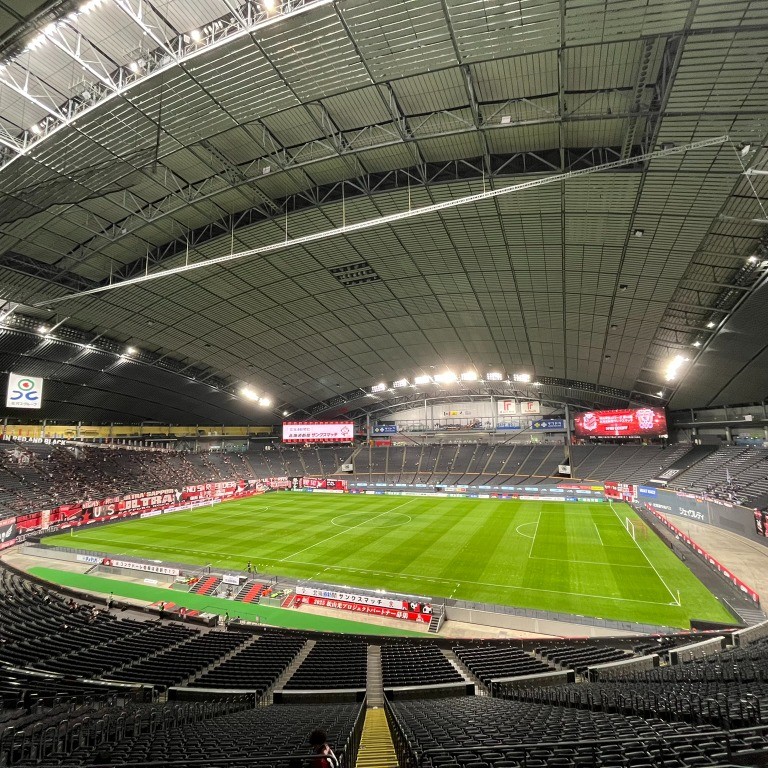
Located in the snowy northern island of Hokkaido, the Sapporo Dome is an architectural marvel. It famously hosted matches during the 2002 FIFA World Cup, including the legendary “Group of Death” clash between England and Argentina. Because Hokkaido experiences heavy snowfall, the stadium is fully enclosed. However, natural grass cannot grow indoors without sunlight.

To solve this, Japanese engineers created the world’s first “Hovering Soccer Stage.” The enormous natural grass pitch is grown outdoors in the fresh air. On match days, the entire 8,300-ton pitch is lifted by a cushion of air and slowly glides into the dome! Watching this incredible transformation is an event in itself.

📍 Surrounding Tourist Spots & Access

  • Tourist Spots: After the game, visit the nearby Hitsujigaoka Observation Hill to see the iconic statue of Dr. Clark. In the evening, head to the neon-lit Susukino district to feast on legendary Sapporo miso ramen and fresh Hokkaido seafood.
  • Access from New Chitose Airport: Take the Airport Rapid train to Sapporo Station (approx. 40 mins).
  • Access from Sapporo Station: Take the Subway Toho Line directly to Fukuzumi Station (approx. 13 mins). The dome is a pleasant 10-minute walk from the station.

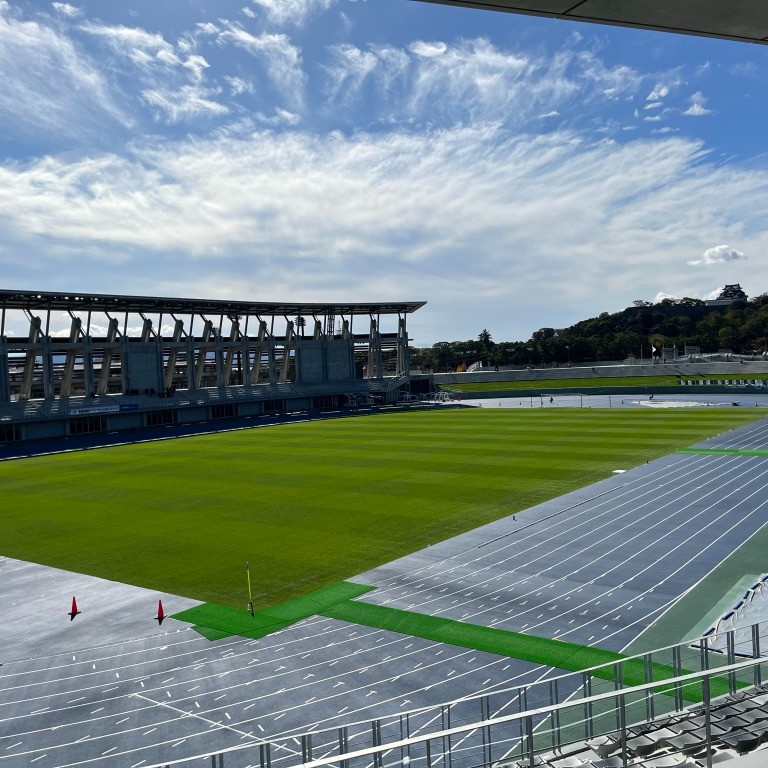
2. Heiwado HATO Stadium (Shiga Prefecture)

Heiwado HATO Stadium with Castle
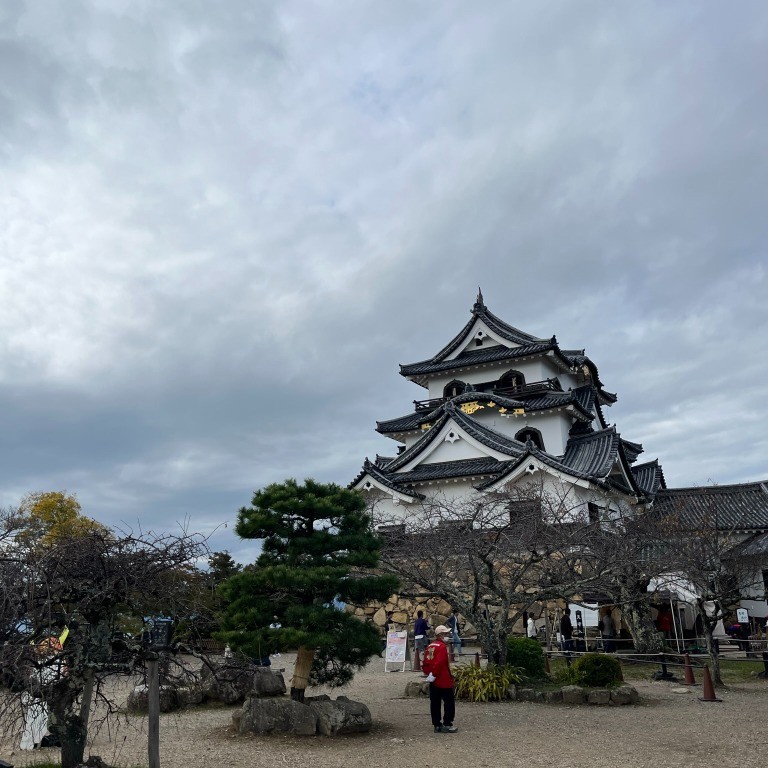
Hikone Castle

A Match Watched by a National Treasure

Home Team: Reilac Shiga FC

Completed in 2022, the Heiwado HATO Stadium is located in Hikone City, Shiga Prefecture. Reilac Shiga FC is a rapidly growing club that has successfully joined the J-League ranks, and their home stadium boasts a feature that no other stadium in the world can claim: a direct, unobstructed view of a majestic Japanese castle.

From the stands, you can watch the intense football action with the stunning Hikone Castle—an authentic 17th-century National Treasure—towering in the background. The fusion of modern sports fervor and the quiet dignity of a traditional Samurai fortress creates a uniquely Japanese atmosphere.

📍 Surrounding Tourist Spots & Access

  • Tourist Spots: Naturally, exploring Hikone Castle and its beautiful Genkyuen Garden is a must. You can also take a short trip to the shores of Lake Biwa, Japan’s largest freshwater lake, which offers stunning sunset views and relaxing cruises.
  • Access from Kyoto Station (Shinkansen Hub): Take the JR Biwako Line from Kyoto Station directly to Hikone Station (approx. 50 mins).
  • Access from Maibara Station (Shinkansen Hub): Take the JR Biwako Line for just 5 minutes to Hikone Station.
  • Access to Stadium: From Hikone Station, it is about a 25-minute scenic walk, or a short local bus ride.

3. IAI Stadium Nihondaira (Shizuoka Prefecture)

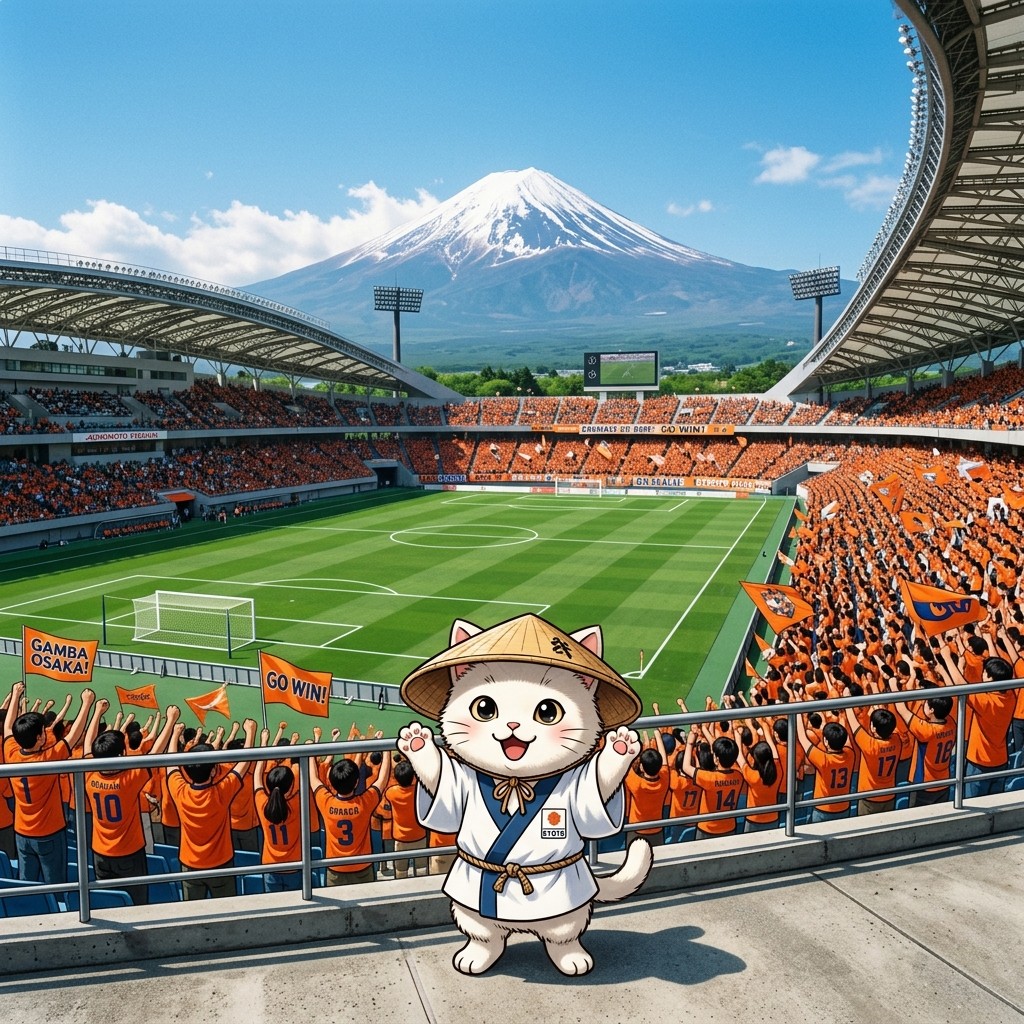
IAI Stadium with Mount Fuji in background

The Football Kingdom’s View of Mount Fuji

Home Team: Shimizu S-Pulse

Shizuoka Prefecture is widely known as Japan’s “Football Kingdom” due to its passionate soccer culture and history of producing top-tier players. At the heart of this kingdom is the IAI Stadium Nihondaira, widely regarded as having the most beautiful stadium scenery in the entire country.

On a clear day, the view from the stands is simply breathtaking. Beyond the sea of cheering fans dressed in bright orange, you can look out over the deep blue waters of Suruga Bay and see the majestic, snow-capped peak of Mount Fuji. Watching a live match under the watchful eye of Japan’s most sacred mountain is an experience every traveler should have.

📍 Surrounding Tourist Spots & Access

  • Tourist Spots: Visit Miho no Matsubara, a stunning pine-tree lined beach that is part of Mount Fuji’s World Heritage site. You can also take the Nihondaira Ropeway up to the Kunozan Toshogu Shrine, dedicated to the famous shogun Tokugawa Ieyasu.
  • Access from Mount Fuji Shizuoka Airport: Take an airport bus to Shizuoka Station (approx. 50 mins).
  • Access from Shizuoka Station (Shinkansen Hub): Take the JR Tokaido Line to Shimizu Station (approx. 11 mins).
  • Access to Stadium: On match days, dedicated shuttle buses run constantly from Shimizu Station directly to the stadium (approx. 20 mins).

4. Edion Peace Wing Hiroshima (Hiroshima Prefecture)

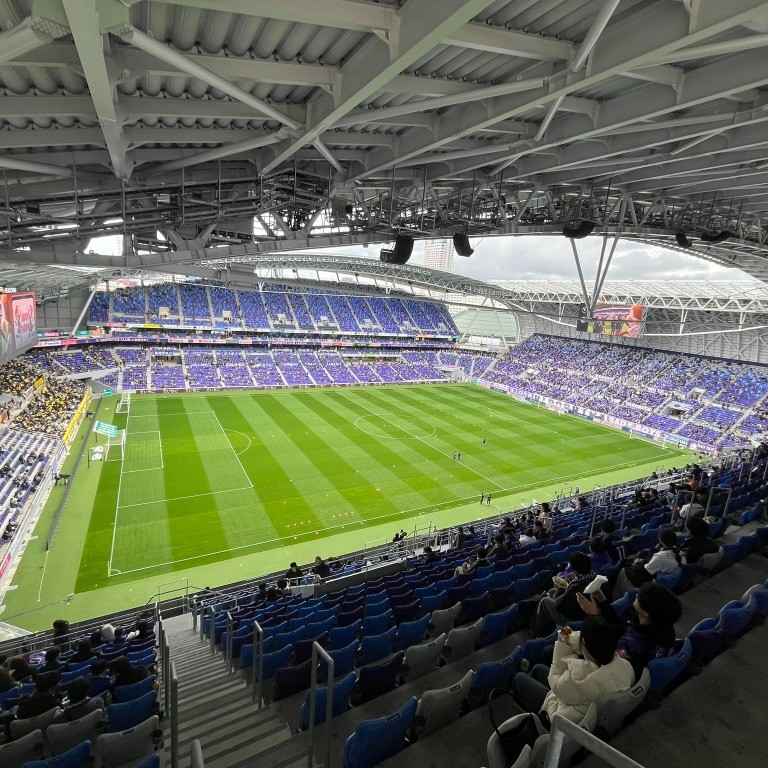
Edion Peace Wing Hiroshima

An Urban Arena Sending a Message of Peace

Home Team: Sanfrecce Hiroshima

Opened in early 2024, the Edion Peace Wing is a state-of-the-art stadium built right in the very center of Hiroshima City. Unlike many stadiums built in distant suburbs, this arena embraces the urban landscape. The journey to the stadium is an experience itself, as fans ride the charming vintage streetcars (Hiroden) through the bustling city streets.

What makes this stadium profoundly special is its location. It is situated just a short walk from the Atomic Bomb Dome and the Peace Memorial Park. The stadium was built with the philosophy of “sending a message of peace to the world through sports.” The juxtaposition of the tragic history of the atomic bombing with the vibrant, joyful energy of a modern soccer match is deeply moving.

📍 Surrounding Tourist Spots & Access

  • Tourist Spots: The Peace Memorial Park and Atomic Bomb Dome are essential visits. Don’t forget to eat authentic Hiroshima-style Okonomiyaki! You can also take a ferry from the city to visit the breathtaking Miyajima Island and its famous floating torii gate.
  • Access from Hiroshima Airport: Take the limousine bus to Hiroshima Bus Center (approx. 55 mins). The stadium is just a 10-minute walk from the bus center!
  • Access from Hiroshima Station (Shinkansen Hub): Take the Hiroshima Electric Railway (streetcar) or a local bus to the “Kamiya-cho Nishi” or “Genbaku Dome-mae” (Atomic Bomb Dome) stop, then walk about 10 minutes.

5. Peace Stadium Nagasaki (Nagasaki Prefecture)

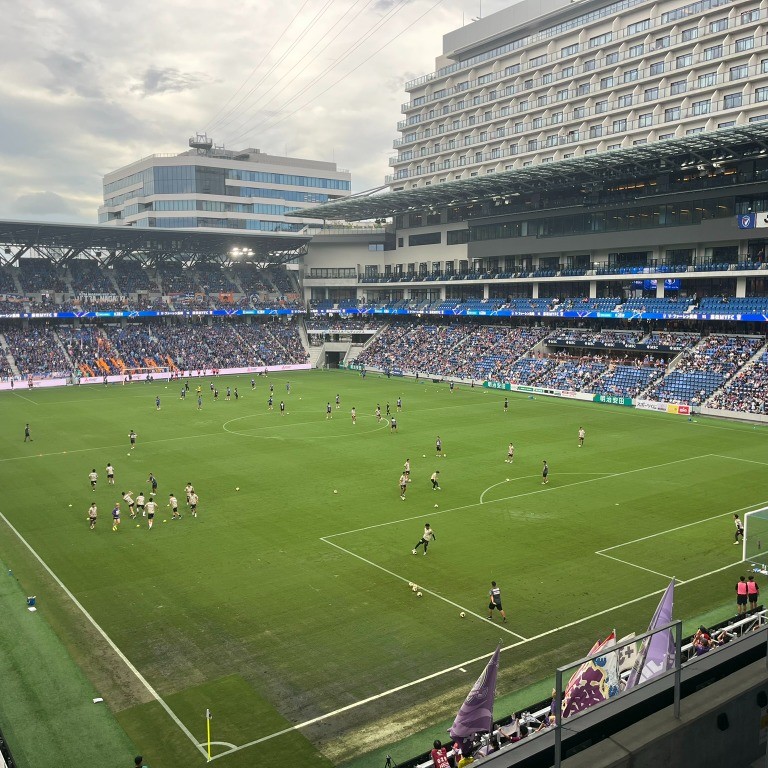
Peace Stadium Nagasaki
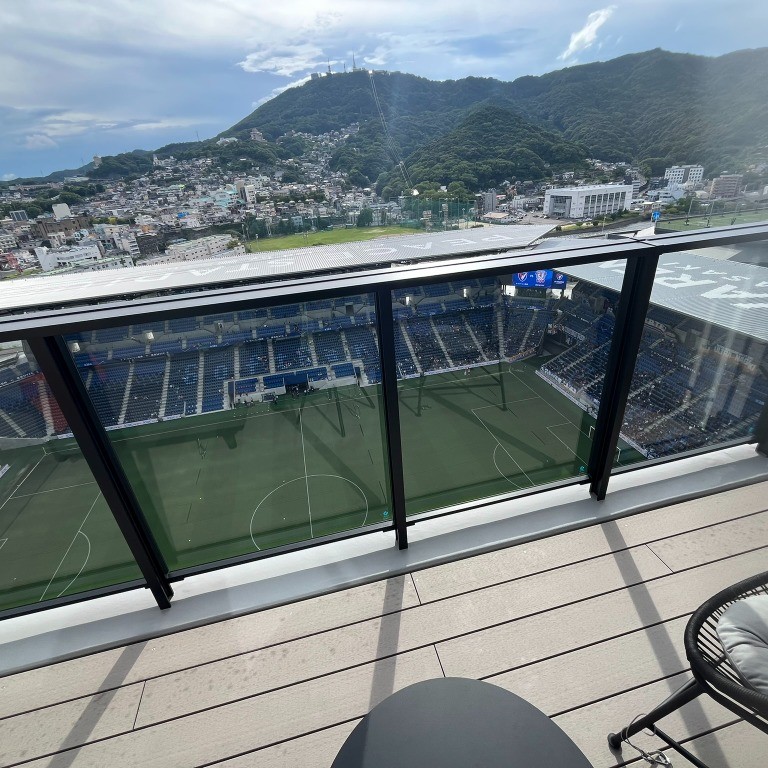
Peace Stadium Nagasaki View from Hotel

The Ultimate Entertainment Complex

Home Team: V-Varen Nagasaki

Opened in 2024, the Peace Stadium is the spectacular centerpiece of the “Nagasaki Stadium City” project, completely redefining what a sports venue can be. This isn’t just a stadium; it’s a massive mixed-use entertainment complex built directly in the heart of Nagasaki.

The most mind-blowing feature is the luxury hotel built seamlessly into the stadium structure. Guests can literally step out onto their private room balconies with a cold beer and watch the match happening directly below them! If that isn’t enough, there is even a zip line that allows thrill-seekers to fly directly over the pitch. Like Hiroshima, Nagasaki is a city that recovered from the atomic bomb, and this futuristic, joyful complex stands as a powerful testament to peace, recovery, and human resilience.

📍 Surrounding Tourist Spots & Access

  • Tourist Spots: Nagasaki is a melting pot of Japanese, Chinese, and European history. Visit the beautiful Oura Church and Glover Garden, explore the vibrant Nagasaki Chinatown, and take a moment of reflection at the Nagasaki Atomic Bomb Museum and Peace Park.
  • Access from Nagasaki Airport: Take the airport limousine bus to Nagasaki Station (approx. 45 mins).
  • Access from Nagasaki Station (Shinkansen Hub): The stadium is located incredibly close to the station. It is a mere 10-minute walk from the newly built Nishi-Kyushu Shinkansen terminal at Nagasaki Station!

A Note from OHA: Memories Beyond the Pitch

(A quick message from my human companion and photographer, OHA!)

“In recent years, soccer stadiums have evolved from mere match venues into grand stages designed to create deep emotions and unforgettable memories.

Speaking of unforgettable… I actually attended the legendary England vs. Argentina match at the 2002 World Cup held at Sapporo Dome! Watching that intensely historic game surrounded by roaring hooligans, strict police, and countless security guards was, in its own way, a precious and ‘hospitality-filled’ experience I will never forget!”

[Matatabi Taro’s Travel Tip]

Where was the most memorable stadium experience you’ve ever had? Let me know in the comments below, meow!

12 Japanese Food Etiquette Rules You Must Know: Don’t Ruin Your Sushi!

featured f3c748c46c11

Welcome to Japan, the land of exquisite culinary traditions! As your trusty feline guide, Matatabi Taro, I’ve seen countless travelers unknowingly commit culinary faux pas that either ruin the delicate flavors of Japanese dishes or break deep-rooted cultural taboos. Today, I’ll guide you through 12 common mistakes you should avoid to eat like a true local.

Category 1: Sushi & Sashimi Fails

Sushi Fails

1. Drowning the Rice in Soy Sauce

When eating sushi, one of the most common mistakes is dipping the rice (shari) directly into the soy sauce. Sushi rice is meticulously seasoned with vinegar and sugar, and it is very delicate. If you soak the rice, it will absorb far too much salt, overpowering the fish, and the rice ball will likely crumble into a messy disaster before it reaches your mouth. The correct etiquette is to slightly rotate the sushi piece and gently dip only the edge of the fish (neta) into the soy sauce. This preserves the perfect balance the chef intended.

2. Making “Wasabi Soup”

In many Western sushi restaurants, it is common practice to take a large chunk of wasabi, drop it into a dish of soy sauce, and stir it vigorously until it becomes a muddy green soup. In Japan, this is considered a major faux pas. Dissolving wasabi entirely destroys its sharp, fresh aroma and makes the soy sauce look unappetizing. Instead, place a tiny dab of wasabi directly onto the sashimi or sushi, and then lightly dip it into the soy sauce. You’ll instantly notice the difference in flavor!

3. The Half-Bite

Sushi is designed as a complete, self-contained culinary experience. Sushi chefs carefully calculate the size, temperature, and ratio of fish to rice so that it can be enjoyed perfectly in a single bite. Biting a piece of sushi in half and placing the remainder back on your plate is visually unappealing and disrespectful to the chef’s craft. If a piece seems too large, you can politely ask the chef to make the rice portions smaller (“Shari koma” in Japanese).

Category 2: Noodle & Tempura Disasters

Noodle and Tempura Fails

4. Submerging Soba Noodles

Authentic Japanese soba (buckwheat noodles) has a very subtle, earthy aroma. Many visitors make the mistake of dunking the entire bunch of noodles deep into the dipping sauce (tsuyu) and letting it soak. This completely masks the delicate flavor of the buckwheat, leaving you tasting nothing but salty broth. The proper way to enjoy cold soba is to pick up a small amount and dip only the bottom third of the noodles into the sauce. This allows you to taste the sauce and the natural flavor of the noodles simultaneously.

5. Soggy Tempura

The hallmark of great tempura is its impossibly light and crispy batter. However, if you soak your tempura in the warm tentsuyu broth for too long, it quickly turns into a soggy, heavy mess. To fully appreciate the texture, quickly dip the tempura into the broth and eat it immediately. Alternatively, many high-end tempura restaurants recommend skipping the broth altogether and simply sprinkling a little matcha salt or sea salt on top to preserve maximum crispiness.

6. Holding Back the Slurp

In most Western cultures, slurping your food or making loud noises while eating is considered incredibly rude. However, in Japan, loudly slurping your ramen, udon, or soba is actually the correct and polite way to eat! Slurping serves a practical purpose: it cools the hot noodles down as they enter your mouth and aerates the broth, which significantly enhances the flavor and aroma. Don’t be shy—embrace the culture and slurp away with confidence!

Category 3: Bowl & Izakaya Etiquette

Izakaya Etiquette

7. Dismantling Yakitori

When dining at a Yakitori (skewered chicken) restaurant, some foreigners use their chopsticks to push all the meat off the stick onto a plate, sharing it like a salad. While this might seem polite for sharing, it ruins the dish. Eating the meat directly off the skewer keeps the precious meat juices sealed inside and helps retain the heat. Chefs spend years mastering the art of skewering and grilling; eating it straight from the stick is the ultimate sign of respect.

8. Vigorously Mixing Your Rice Bowl (Donburi)

If you order a Japanese Donburi (like a beef bowl, katsudon, or seafood bowl), resist the urge to mix everything together! Unlike Korean Bibimbap, where mixing is essential, a Japanese rice bowl should not be turned into a uniform mash. You should eat it vertically, scooping a bit of the topping and a bit of the white rice underneath together with each bite. This allows you to enjoy the contrast between the seasoned topping and the plain, fluffy rice.

9. The “Dog Eat” (Inu-gui)

In Japanese dining culture, it is considered beautiful manners to lift small bowls (like your rice bowl, miso soup bowl, or soy sauce dish) off the table and bring them close to your chest level while eating. Leaving all dishes flat on the table and leaning your head down low to meet the food is called “Inu-gui” (dog eating) and is considered very poor form. Always lift the small bowls with your free hand!

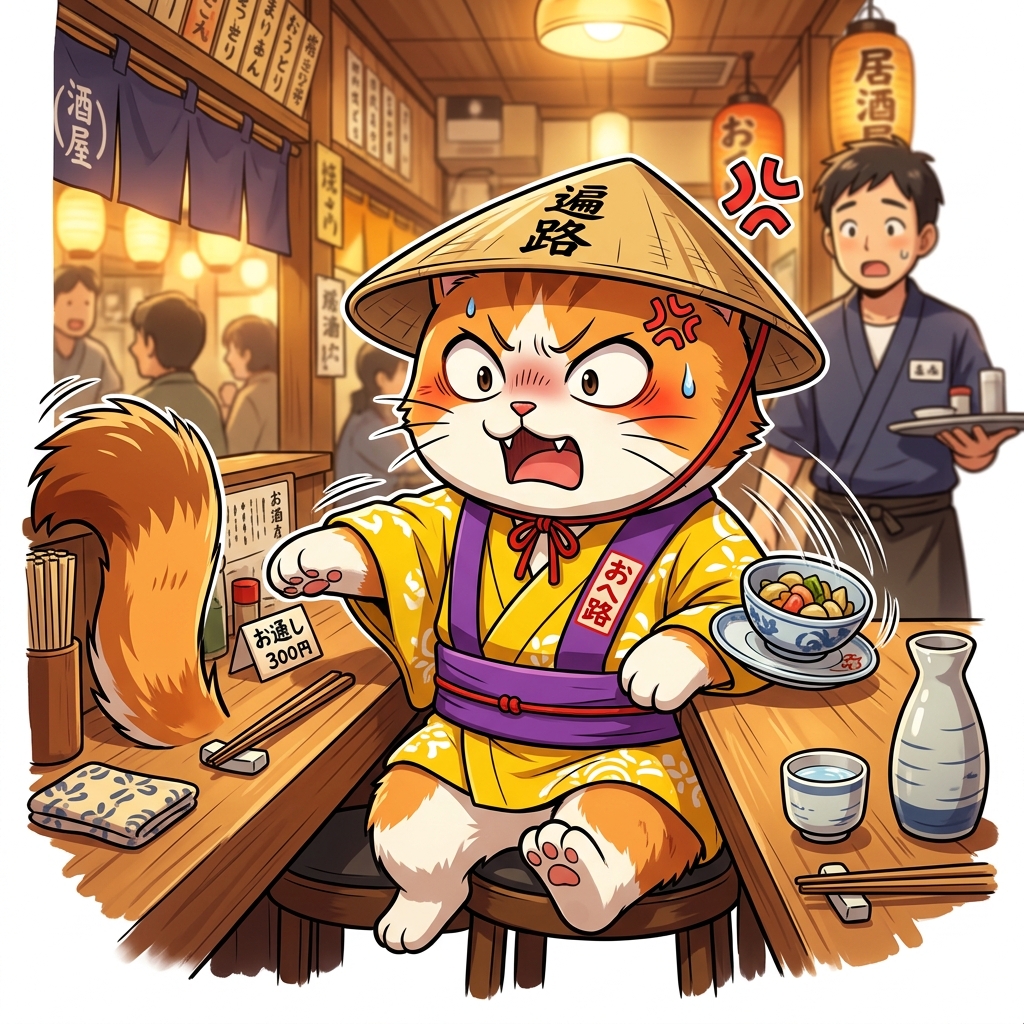
10. Rejecting the “Otoshi”

When you sit down at an Izakaya (Japanese pub), the waiter will often bring you a small appetizer dish that you never ordered. Many travelers get angry, thinking it’s a scam, and try to send it back. Don’t panic! This is called “Otoshi” or “Tsukidashi.” It is a traditional Japanese table charge (usually around 300 to 500 yen) that acts as a welcome snack while you wait for your first drink. It is a deeply ingrained part of Izakaya culture, so just accept it and enjoy the surprise dish.

Category 4: The Ultimate Chopstick Taboos

Chopstick Taboos

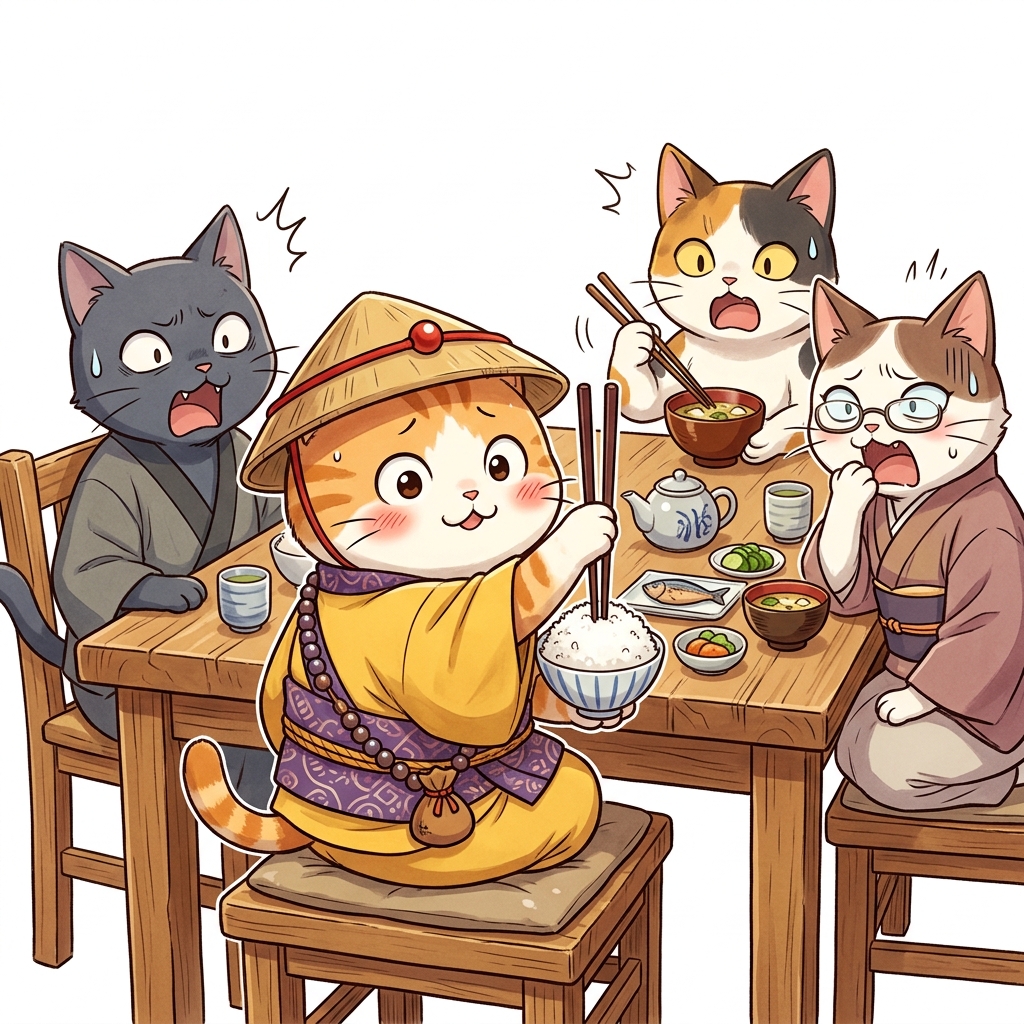
11. Tate-bashi (Standing Chopsticks)

This is arguably the biggest taboo in Japanese dining. Never, ever stick your chopsticks vertically straight down into a bowl of rice and leave them standing there. This visual specifically resembles the incense sticks offered to the dead at a traditional Buddhist funeral. Doing this at a restaurant will horrify the staff and other patrons. Always lay your chopsticks flat across your bowl or, better yet, rest them on a chopstick rest (hashioki) when you are not actively eating.

12. Hashi-watashi (Passing Food with Chopsticks)

Another major taboo is passing food directly from your chopsticks to another person’s chopsticks. Like the standing chopsticks, this mimics a very specific and solemn ritual performed at Japanese funerals, where family members pass the cremated bones of the deceased to one another. If you want to share food with a friend, always place the food onto a small plate first, and let them pick it up from there.

A Note from OHA: The Hidden Magic in Food Rules

(A quick message from my human companion and photographer, OHA!)

“Imposing strict rules on how to eat might feel a bit suffocating at first. However, in Japan, these ‘rules’ aren’t there to restrict you—they are actually hidden secrets to experiencing the food at its absolute most delicious state.

Of course, encountering unknown rules and manners in a different culture is always a mix of excitement and fear. I completely understand. For instance, for us Japanese people, your ‘tipping culture’ is exactly one of those terrifying unknowns when we travel abroad!

Which brings me to a question… If you are reading this blog from a country with a tipping culture, would reading a helpful guide like this require a tip? 😉”

[Matatabi Taro’s Travel Tip]

Don’t let the fear of rules stop you from enjoying Japan’s incredible cuisine! If you enjoyed this guide, leaving a comment or sharing this post is the best tip we could ask for, meow!

Escalator Etiquette in Japan: Stand Left or Right? The Complete Survival Guide with Matatabi Taro

featured ae623b137eec

Welcome to Japan: The Land of Orderly Escalators

Upon arriving in Japan, one of the first things you’ll notice is the impeccable order in which people queue for escalators. It’s like a synchronized dance of politeness, with everyone standing on one side and leaving the other open for those in a hurry. As a travel-savvy feline, I, Matatabi Taro, am here to unravel the mysteries of Japan’s escalator etiquette and help you seamlessly navigate the country’s bustling rail systems.

Tokyo’s Left-Side Standing: A Samurai Tradition

When you begin your journey from Narita or Haneda airports into the heart of Tokyo, you’ll notice everyone standing on the left side of the escalator. This practice is rooted in history, harking back to the days of the samurai. Samurai warriors carried their swords on their left hips, which made passing on the left a practical choice to avoid accidental clashes. This tradition of standing left is not just a rule; it’s a nod to Japan’s rich cultural heritage and a piece of history you get to experience firsthand.

Osaka’s Right-Side Reversal: A Merchant’s Legacy

Hop on a Shinkansen to Osaka, and you’ll find the rules flipped on their head—here, it’s all about standing on the right! This reversal is said to be influenced by Osaka’s vibrant merchant history, where traders would keep their right hands free to protect their goods. Additionally, the 1970 Osaka Expo adopted this practice, aligning with international standards. However, if you venture into nearby Kyoto, you’ll find a delightful chaos where rules blend due to the influx of global tourists. When in doubt, follow the locals and stand where they stand!

Article Illustration

Matatabi Taro’s Secret Tip: The Official Standstill Rule

While these regional customs are fascinating, it’s essential to know that Japan’s railway companies now advocate for standing still on both sides of the escalator. This ensures safety for travelers with heavy luggage or those who may need assistance, like the elderly or families with small children. In places like Saitama and Nagoya, walking on escalators is even prohibited by law. So, the next time you find yourself on an escalator, feel free to stand comfortably and securely.

Handling Luggage Like a Pro

  • Wheel Lock: If your suitcase has a lock feature, engage it as soon as you step onto the escalator to prevent any mishaps.
  • Elevator Maze: Major stations like Tokyo or Shinjuku can be labyrinthine. Allocate extra time to find elevators, or better yet, travel light!
  • Ultimate Hack – Luggage Delivery Service: Consider using a luggage delivery service to send your bags directly from the airport to your hotel for a stress-free journey.
  • Hotel Choices: Opt for hotels within a short walk from stations to avoid the hassle of dragging luggage over uneven terrain.

Surviving Japan’s Rush Hour

Japan’s trains are renowned for their punctuality, but morning rush hours can be overwhelming. Avoid traveling between 7:30 and 9:00 AM to steer clear of the sardine-like conditions. If you must travel during these times, remember to hold your backpack in front of you to respect the space of fellow passengers.

The Magic of Suica and PASMO Cards

No need to fumble with paper tickets! Secure a Suica or PASMO card upon arrival, and enjoy seamless travel across trains, buses, and even at vending machines and convenience stores. If you have an iPhone, you can even add a digital Suica to your Apple Wallet for ultimate convenience.

// Matatabi Taro’s Travel Diary

Meow! Traveling Japan is a whisker-twitching adventure! With these tips, you’ll navigate like a pro and purr through your journey with ease. Safe travels, and see you on the train! 🐾

A Note from OHA: The Real Escalator Experience

(A quick message from my human companion and photographer, OHA!)

“The whole issue of which side of the escalator to stand on can certainly feel like a complicated problem for travelers. However, whenever I travel to Osaka and suddenly see everyone standing on the right side of the escalator, it gives me a genuine thrill. That visual cue is the exact moment I truly feel, ‘Ah, I have arrived in Kansai!’

Technically speaking, escalators were originally designed for people to stand still on both sides. We naturally open up one side as a courtesy for people who are in a hurry. But honestly, sometimes it might be a good idea to just boldly stand on the ‘walking’ side, block the path, and essentially tell the rushing crowds, ‘Hey, let’s take it easy and slow down for a minute.’ (Though if you actually try this during Tokyo rush hour, I take absolutely no responsibility for what happens to you!)”