
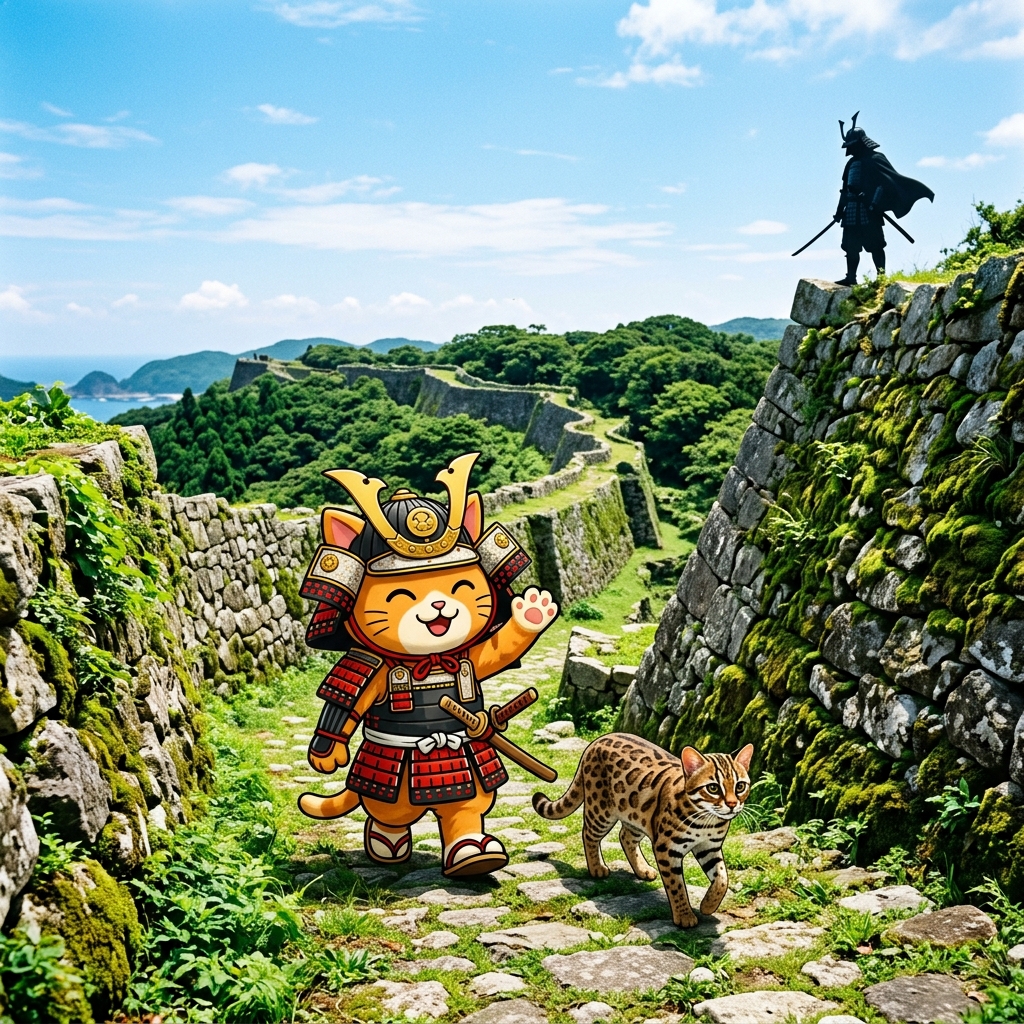
Hello, fellow travelers! I’m Matatabi Taro, your adorable and slightly mischievous feline guide to the wonders of Japan. Today, we’re setting our paws on Tsushima Island, floating in the Genkai Sea off northern Kyushu. This island is just a whisker away from South Korea, about 50 km, making it a historic bridge between Japan and the Asian continent. Tsushima has long been a cultural and trade hub, and at times, a frontline of national defense.
Recently, Tsushima gained global fame as the setting for the blockbuster game, "Ghost of Tsushima." But beyond the pixels lies a real island with untouched natural beauty, ancient mountain fortress ruins, and a unique ecosystem that remains largely intact. In this blog post, I’ll reveal Tsushima’s allure, how to get there, must-see attractions, and even some local culinary delights for travelers from abroad.
⚔️ History: The Spirit of the Samurai and Memories of Mongol Invasions
Tsushima holds a significant place in Japanese history. During the Mongol invasions of the 13th century, a small band of just 80 samurai took a stand against the overwhelming Mongol forces. This dramatic battle is vividly depicted not only in the game but also in the historical anime "Angolmois: Record of Mongol Invasion." As you explore the island’s scattered ancient mountain castles and defense ruins, you can still feel the samurai’s pride and the tense atmosphere of those times.
🗺️ Access: Detailed Guide to Reaching Tsushima
To reach Tsushima, Fukuoka or Nagasaki in Kyushu serves as your primary hub. Choose the route that best suits your schedule and travel style.
✈️ By Air (Fastest and Most Convenient)
For those looking to maximize limited travel time, flying is purr-fect.
- Fukuoka Airport (FUK) ⇔ Tsushima Yamaneko Airport (TSJ)
- Airlines: ANA / ORC
- Flights & Duration: 4–5 flights daily, about 35 minutes
- Nagasaki Airport (NGS) ⇔ Tsushima Yamaneko Airport (TSJ)
- Airline: ORC
- Flights & Duration: 2–3 flights daily, about 35 minutes
🚢 By Sea (Leisurely Boat Trip)
Ideal for those who wish to savor a scenic sea journey.
- Hakata Port (Fukuoka) ⇔ Izuhara Port (South Tsushima)
- High-speed Ferry (Jetfoil): About 2 hours 15 minutes (a popular balance of speed and comfort)
- Ferry: About 4 hours 45 minutes (a relaxing voyage)
- Hakata Port (Fukuoka) ⇔ Hitakatsu Port (North Tsushima)
- Ferry: About 5 hours 50 minutes
[!TIP]
Ferry Booking for International Travelers
The ferries and high-speed boats are operated by "Kyushu Yusen." Be sure to check the schedule and make reservations using their multilingual official site or a global ferry booking platform.
🔗 Kyushu Yusen Official Website (English)
🔗 Direct Ferries (Global Booking Platform)
Note: Tsushima is a sprawling island, about 82 km from north to south. Public transport is limited, so renting a car in advance is essential for getting around.
🚗 Getting Around: Essential Car Rental Guide for International Visitors
To fully enjoy Tsushima’s stunning nature and scattered historical sites, renting a car is a must. Here are some points to keep in mind for international travelers:
1. Prepare an International Driving Permit (IDP)
You’ll need an International Driving Permit (IDP) under the 1949 Geneva Convention to drive in Japan. Make sure to get it before leaving your home country.
(Note: Drivers from Switzerland, Germany, France, Belgium, Monaco, and Taiwan can drive with their licenses and an official Japanese translation.)
2. Reserve Months Ahead!
As an island, Tsushima has a limited number of rental cars. During peak seasons (spring to autumn), you might not find any available cars if you don’t book early. Once you secure your flight and accommodation, reserve a car with providers like Toyota Rent a Car or Orix Rent a Car.
3. Driving Rules in Japan (Left-Hand Traffic)
In Japan, we drive on the left side of the road. Tsushima’s roads can be narrow and winding through mountains, so drive cautiously and slow down. Watch out for wildlife like the Tsushima Leopard Cat and deer!
📸 Highlights: Must-See Attractions
Tsushima’s charm lies in its perfect blend of breathtaking nature and historical structures.
1. Kaneda Fortress Ruins
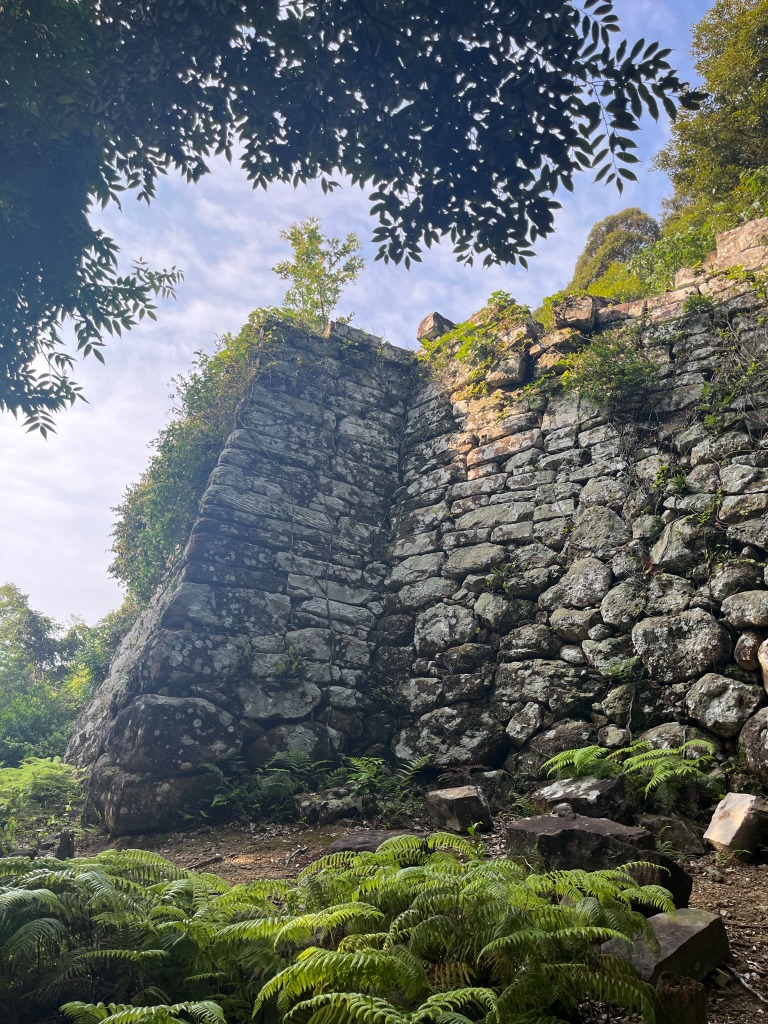
This ancient mountain fortress was built in the 7th century to ward off continental invasions. The towering cliffs and massive stone walls stand as sentinels of history. The panoramic view of Aso Bay from the summit is a treat for any fan of "Ghost of Tsushima."
2. Toyo Artillery Battery Ruins
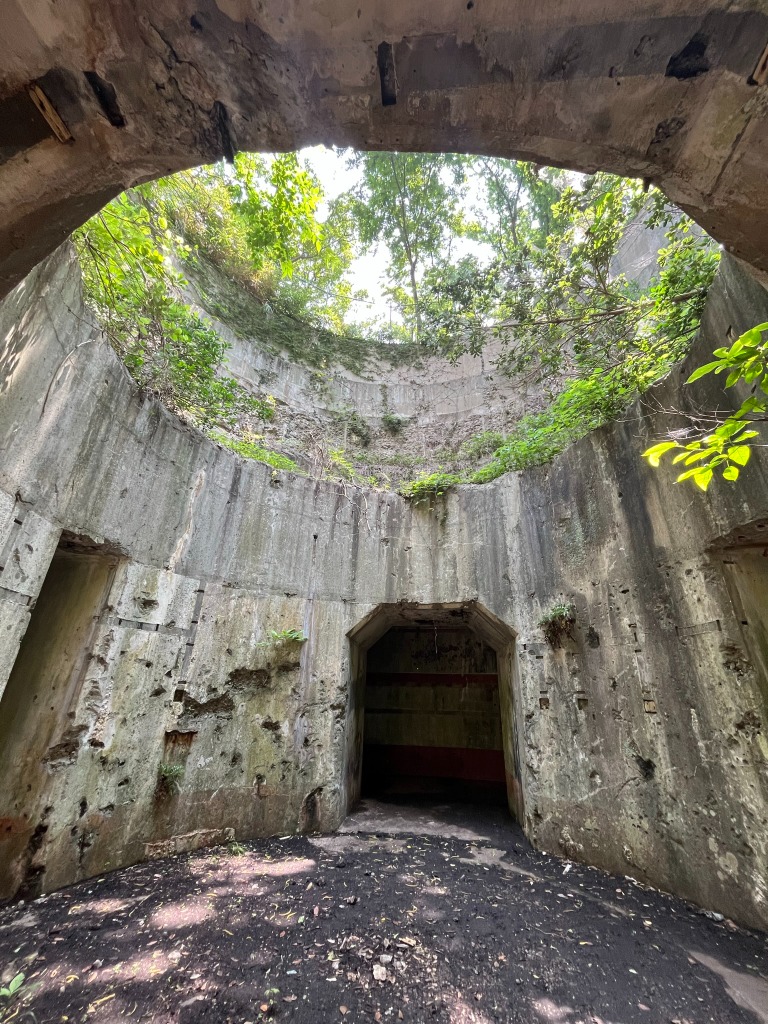
Built in the early Showa era, this colossal artillery site never saw action. The thick concrete walls and the light streaming through gaping holes create a mysterious atmosphere. You can explore the interior and feel the allure of history.
3. Tsushima Leopard Cat
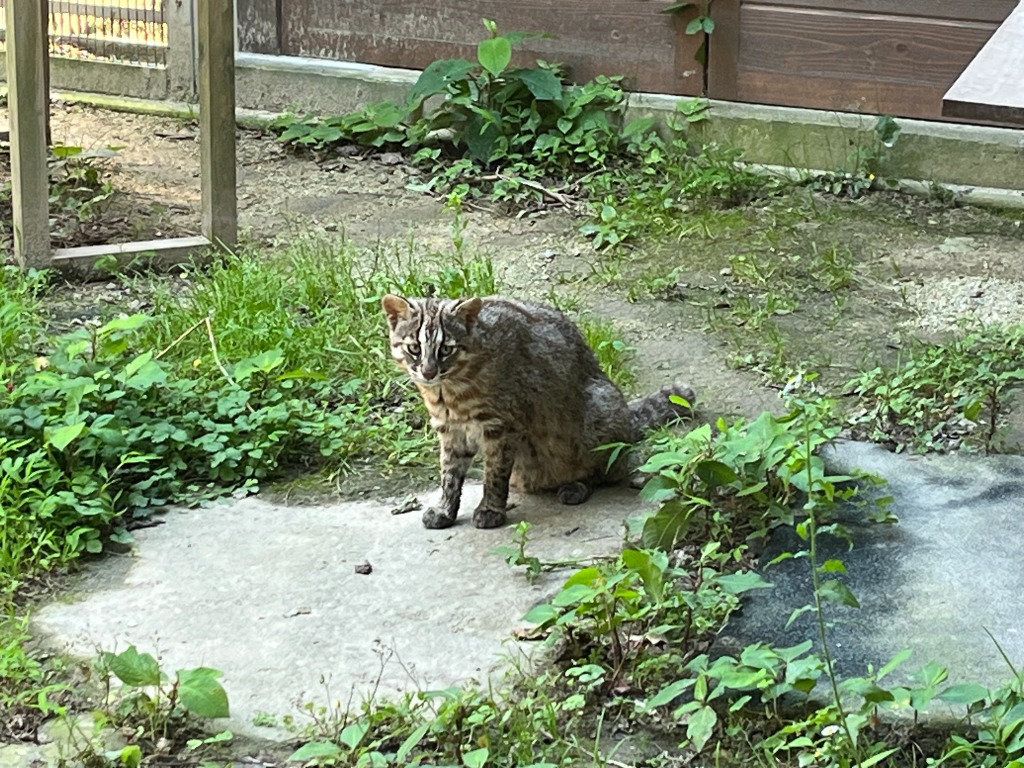
At the top of Tsushima’s ecosystem is the endangered wild cat. Visit the Tsushima Wildlife Conservation Center for a chance to see these beautiful creatures, symbolic of the island’s rich natural environment.
💡 Other Must-See Spots
- Watatsumi Shrine: Known for its torii gate rising from the sea. At high tide, it appears to float, echoing Japan’s ancient dragon palace legends.
- Banshoin Temple: The So clan’s family temple, featuring a grand stone staircase called Hyaku-Gangi. It exudes tranquility and solemnity.
- Eboshidake Observatory: Offers 360-degree panoramic views of the rias coastline of Aso Bay, making it Tsushima’s top scenic spot.
🏨 Accommodations: Recommended Places to Stay
For a convenient base to explore the island, staying in the southern area of Izuhara is recommended.
-
Toyoko INN Tsushima Izuhara
Close to Izuhara Port, with plenty of dining options nearby. It’s user-friendly for international guests, providing a comfortable and worry-free stay.
🔗 Search on Booking.com / Search on Agoda -
Tsushima Grand Hotel
Ideal for those who wish to enjoy ocean-view hot springs and fresh local seafood. With a breathtaking location overlooking the border sea, it’s perfect for a relaxing resort stay.
🔗 Search on Booking.com / Search on Agoda
🍣 Local Gastronomy: Delicious! Tsushima Local Food
Blessed with rich seas and mountains, Tsushima offers unique local dishes you can’t miss.
- Golden Conger Eel
Thick and premium conger eel raised in the fast currents off Tsushima. Highly recommended is the "Anago-tei," featured in the Michelin Guide. The golden, crispy yet fluffy "Anago Katsu Set Meal" (~¥2,000) is a must-try. - Taishu Soba
Close to the original species, this 100% buckwheat soba has a robust aroma and rich flavor, distinct from typical Japanese soba. Enjoy it at places like "Soba Dojo Mitsushima." - Rokube
A local dish made from fermented sweet potato noodles in a flavorful broth. Despite its striking appearance, it’s a gentle soul food that warms the stomach.
Summary
Epic history, breathtaking landscapes, and unique culinary delights—Tsushima is the ultimate destination for travelers eager to experience Japan’s deep culture and natural wonders. Whether you’re on a pilgrimage to the game’s real-world setting or seeking an extraordinary adventure, this miraculous island is waiting for you!
A Note from OHA: Mountains and Rare Cats
(A quick message from my human companion and photographer, OHA!)
“Despite being an island, the vast majority of Tsushima’s land is actually mountainous. So, when you’re driving around exploring, you’ll find yourself weaving through deep, lush mountains far more often than driving along the coast.
Tsushima is also famous for the critically endangered Tsushima Leopard Cat. They say that if you are incredibly lucky, you might just spot one crossing the road. Unfortunately, I didn’t manage to encounter one during our drive… but then again, I realized I had an even rarer ‘traveling cat’ sitting right in the passenger seat next to me!”
[Matatabi Taro’s Travel Tip]
Hey, who are you calling rare?! Anyway, driving in Tsushima requires navigating many winding mountain roads, so always rent a car, drive carefully, and keep an eye out for wildlife, meow!