
Hello, fellow adventurers! I’m Matatabi Taro, your adorable traveling kitty with a deep love for Japan’s rich history and stunning landscapes. As you explore Japan, you’ll likely spot grand “castles” standing proudly in many cities. Unlike the opulent palaces of Europe, Japanese castles were built as practical military fortresses during the age of the samurai.
Today, I’m thrilled to unveil the hidden defense systems of these castles, introduce you to the exclusive “12 Original Castles,” and guide you through the top 10 castles you absolutely can’t miss on your travels around Japan!
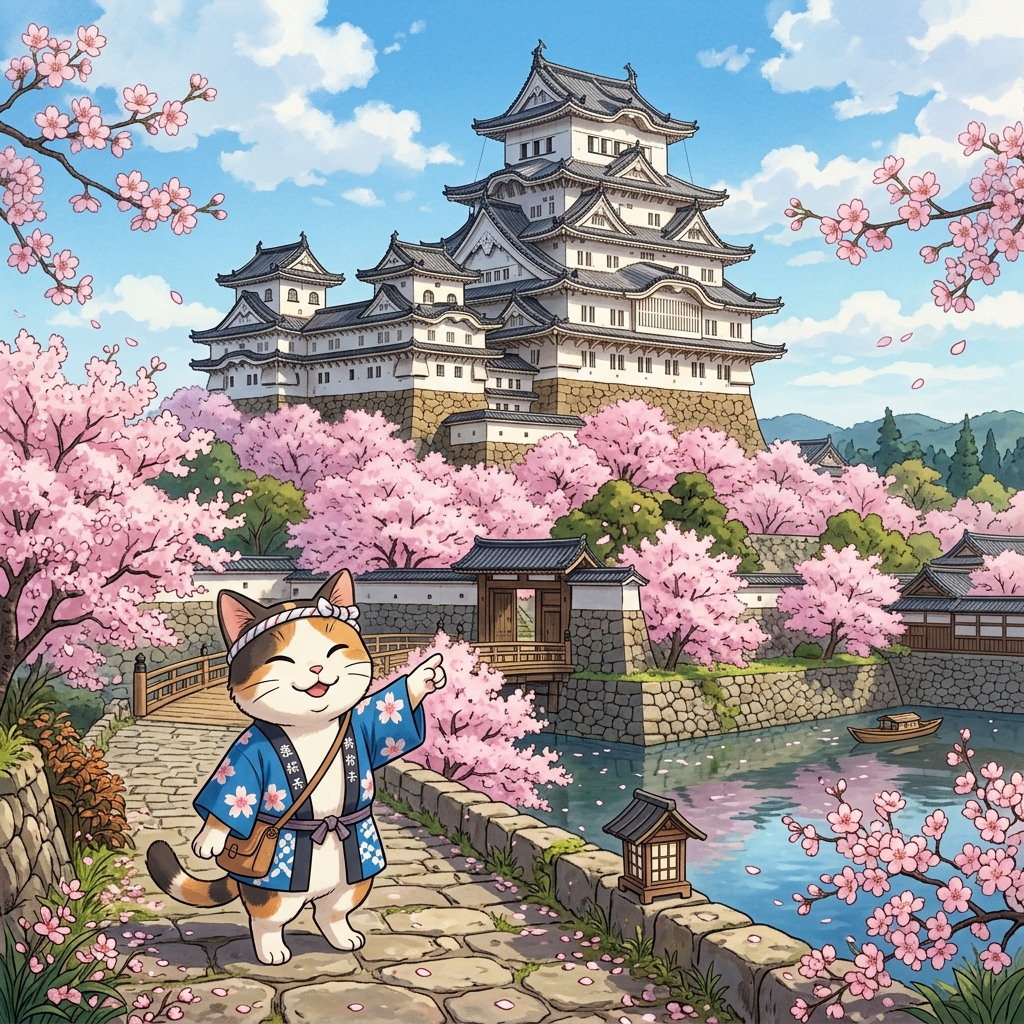
Castle Architecture: Beauty and Brilliance in Defense
Japanese castles are a sight to behold, with their majestic exteriors concealing a myriad of clever traps designed to foil invaders. Knowing these four key features will make your visit 100 times more fascinating!
1. Tenshu (Main Keep): Symbols of Power and Beauty
The “Tenshu” is the tallest structure in the castle complex, but it wasn’t where the lord lived (they resided in the more comfortable ground-level mansions called “Goten”). Tenshu served as the ultimate defensive stronghold and a symbol of authority.
- Black vs. White Castles: Castles like Matsumoto Castle, known for their “black” appearance, were built during the Warring States period under Toyotomi Hideyoshi. They have an intimidating, battle-ready look. In contrast, “white” castles like Himeji Castle, constructed in the peaceful Edo period under Tokugawa Ieyasu, showcase the elegance of authority with their bright plaster finishes.
2. Ishigaki (Stone Walls): The Secret of Beautiful Curves
Surrounding each castle is a moat, with towering stone walls just inside.
- Mushagaeshi: The corners of these walls curve gracefully in what is known as a “fan-shaped slope.” It may seem easy to climb at first, but the wall becomes vertical as you ascend, making it impossible for even the stealthiest ninja to scale.
3. Koguchi (Tiger’s Mouth): The Deadly Trap Gate
The main gate of a castle is called "Koguchi." Many castles feature a square courtyard known as “Masugata,” which forces intruders to turn at right angles to proceed. This design served as a “kill box,” where enemies trapped in the courtyard were attacked from all sides.
4. Sama and Ishi-otoshi: The Invisible Defense System
- Loopholes (Sama): The castle walls are peppered with small holes—round, triangular, or square for firearms (Teppo-zama), and vertical slits for arrows (Ya-zama).
- Stone Drops (Ishi-otoshi): Parts of the main keep’s walls protrude outward, allowing defenders to drop heavy stones or boiling oil on attackers scaling the walls below.
The Miracles of the 12 Original Castles
Most Japanese castles were lost during the Meiji Restoration or World War II, and many we see today are concrete reconstructions. However, only 12 castles across Japan have survived from the samurai era in their original wooden form. Inside, you’ll enjoy the aroma of 400-year-old wood and experience the “amazingly steep stairs” designed to deter invaders.
Top 10 Japanese Castles You Must Visit
Here are 10 castles that blend history and beauty, which every traveler should visit!
1. Himeji Castle (Hyogo) – UNESCO World Heritage Site & Original Castle
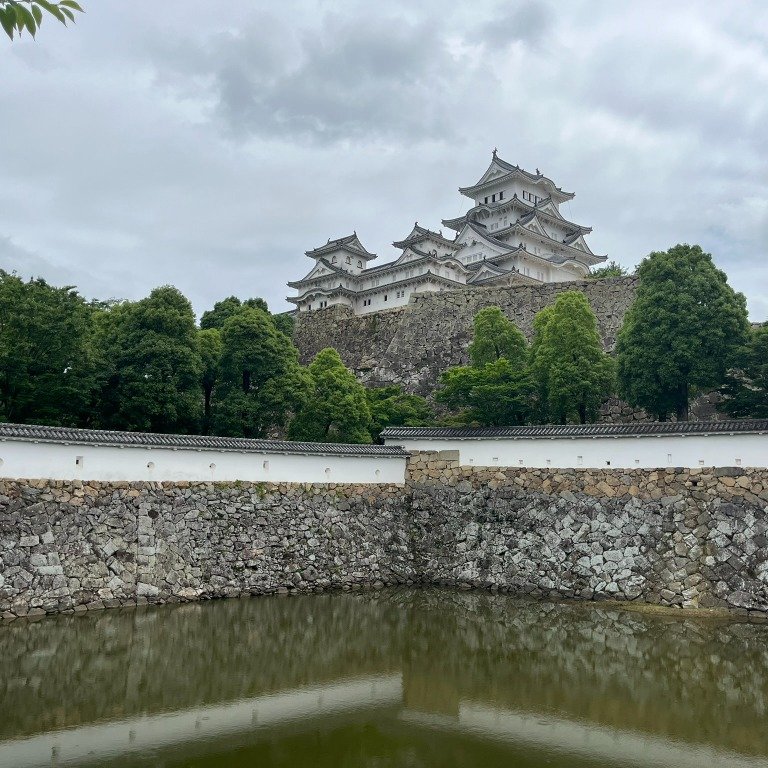
Known as the “White Heron Castle,” Himeji is the most beautiful and grand of the original castles, with its brilliant white walls set against the sky. It’s a masterpiece of Japanese castle architecture.
- Access: From Kansai International Airport (KIX), Kyoto Station (JR-A31), or Shin-Osaka Station (JR-A46), take the Shinkansen or JR Kobe Line to Himeji Station (JR-A85) (about 40-60 minutes). Then, it’s a 15-minute walk from the station.
2. Osaka Castle (Osaka) – The Pinnacle of Reconstruction
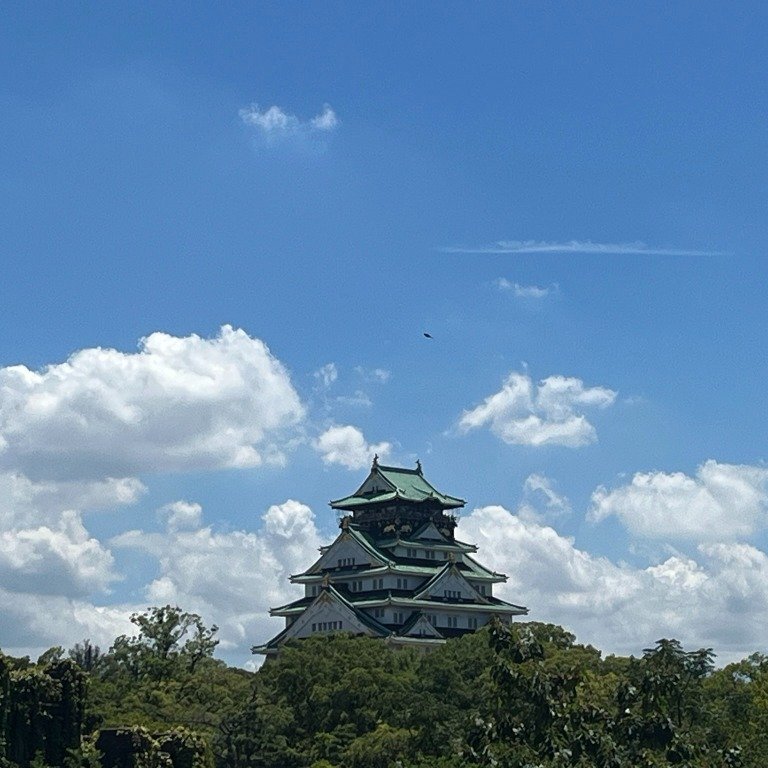
Famous for its golden decorations, this grand castle houses a modern history museum inside, complete with elevators. It’s a theme park for samurai history enthusiasts!
- Access: From Kansai International Airport (KIX), take the Kansai Airport Rapid Service to Osaka Station (JR-A47), switch to the JR Osaka Loop Line, and alight at Osaka Castle Park Station (JR-O07), right by the castle.
3. Takeda Castle (Hyogo) – The Castle in the Sky
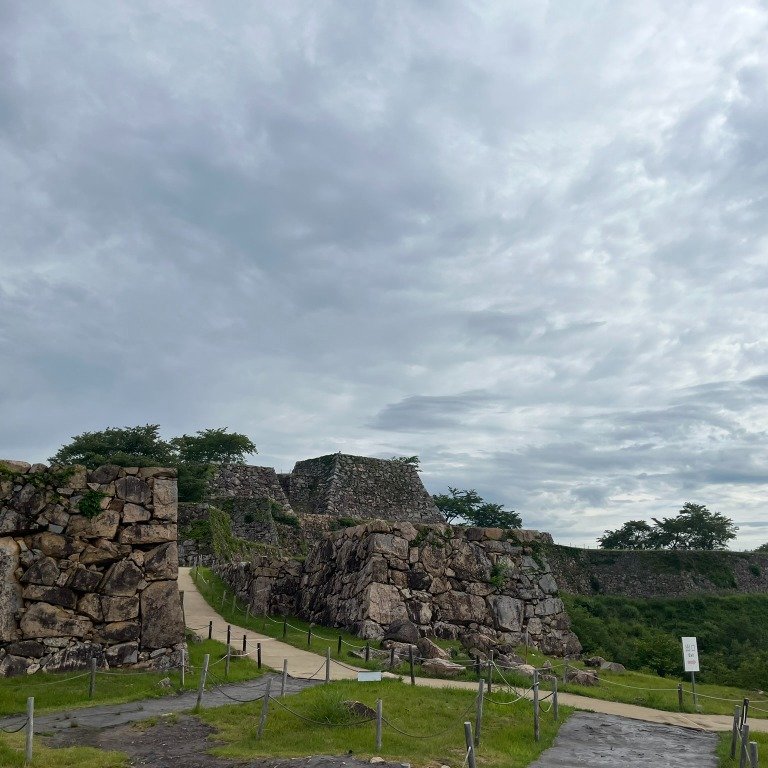
While it lacks traditional castle buildings, the majestic stone ruins atop a mountain are breathtaking. Enveloped in a sea of clouds from autumn to winter mornings, it’s known as the “Castle in the Sky” and is a popular spot for foreign tourists.
- Access: From Kansai International Airport (KIX) or Osaka Station (JR-A47), take a limited express train, transfer at Himeji Station, and proceed on the JR Bantan Line to Takeda Station. Access the site via hiking trails or a sky bus.
4. Matsumoto Castle (Nagano) – Original Castle
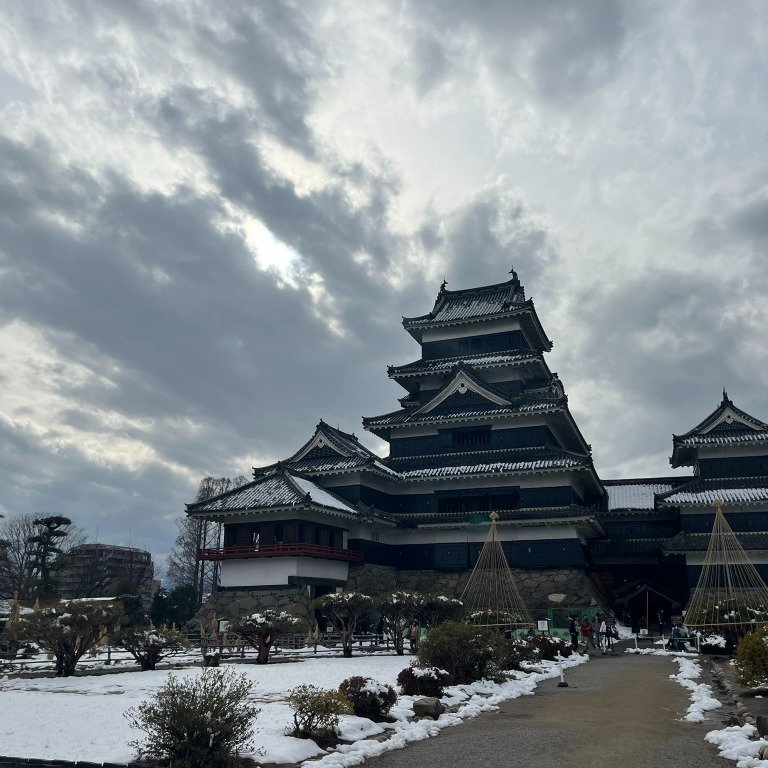
If Himeji is the “white” castle, Matsumoto is the “black” one. Its dark, wooden walls stand against the backdrop of the Alps, earning it the nickname “Crow Castle.” The reflection in the moat’s water is a breathtaking sight.
- Access: From Tokyo’s Shinjuku Station (JR-JC05), take the JR Limited Express Azusa to Matsumoto Station (Shinano Line) (about 2 hours 30 minutes). It’s a 15-minute walk from the station.
5. Nagoya Castle (Aichi) – Home of the Golden Shachihoko
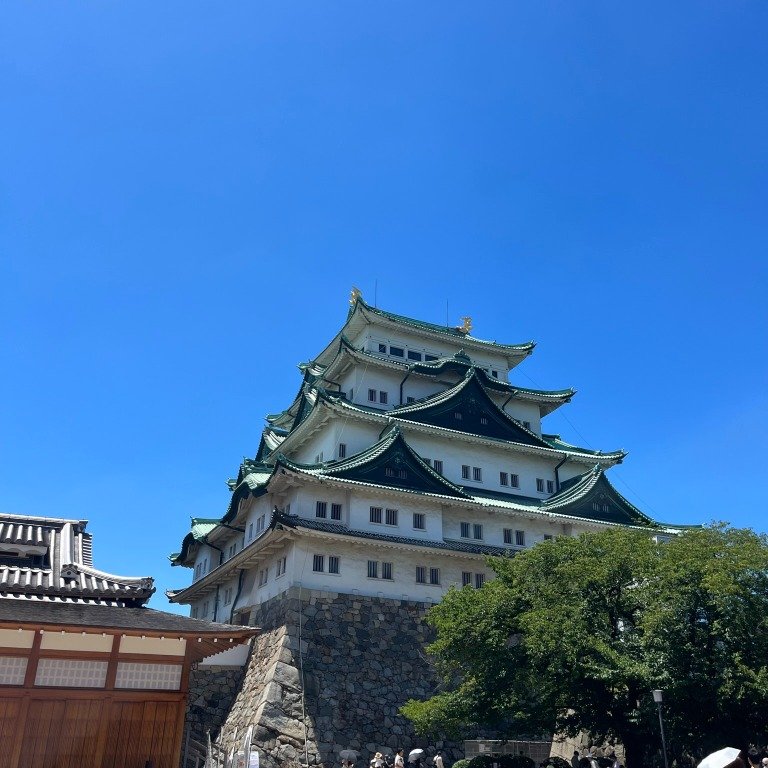
Adorned with two giant golden “Shachihoko” (mythical carp with tiger heads), this lavish castle’s main palace is a stunningly restored masterpiece.
- Access: From Chubu Centrair International Airport (NGO), take the Meitetsu Limited Express to Nagoya Station (M08). Transfer to the Higashiyama Line to Sakae Station (H10), then switch to the Meijo Line to Nagoya Castle Station (M07).
6. Kumamoto Castle (Kumamoto) – The Impregnable Black Fortress
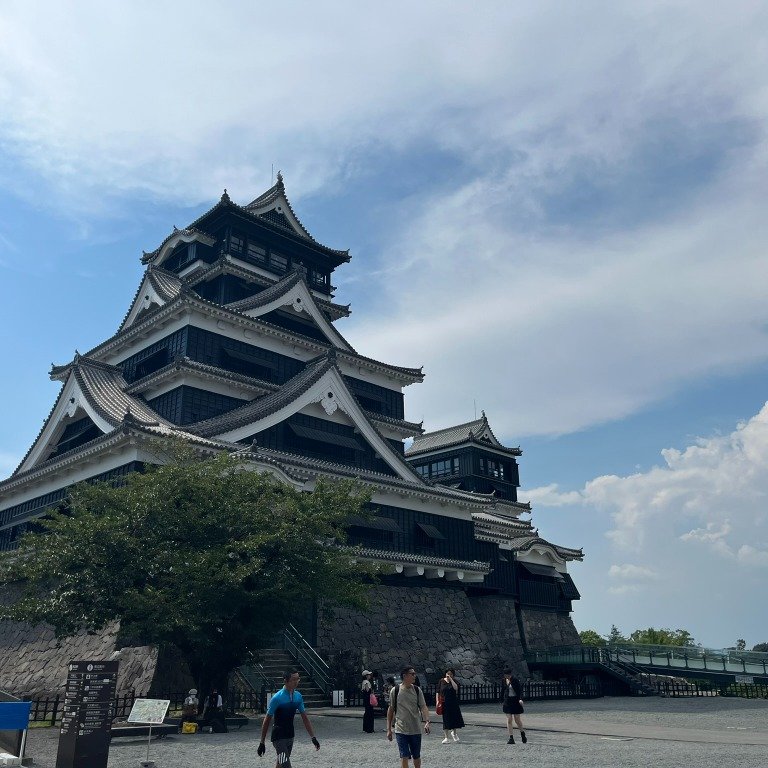
Famous for its massive stone walls with extreme curves called “Mushagaeshi,” making it one of Japan’s most formidable castles. Its recovery after the 2016 earthquake is deeply moving.
- Access: From Kumamoto Airport (KMJ) or Hakata Station, take the Kyushu Shinkansen to Kumamoto Station. Transfer to the Kumamoto City Tram and alight at Kumamoto Castle / City Hall stop (10).
7. Inuyama Castle (Aichi) – The Oldest Original Wooden Castle
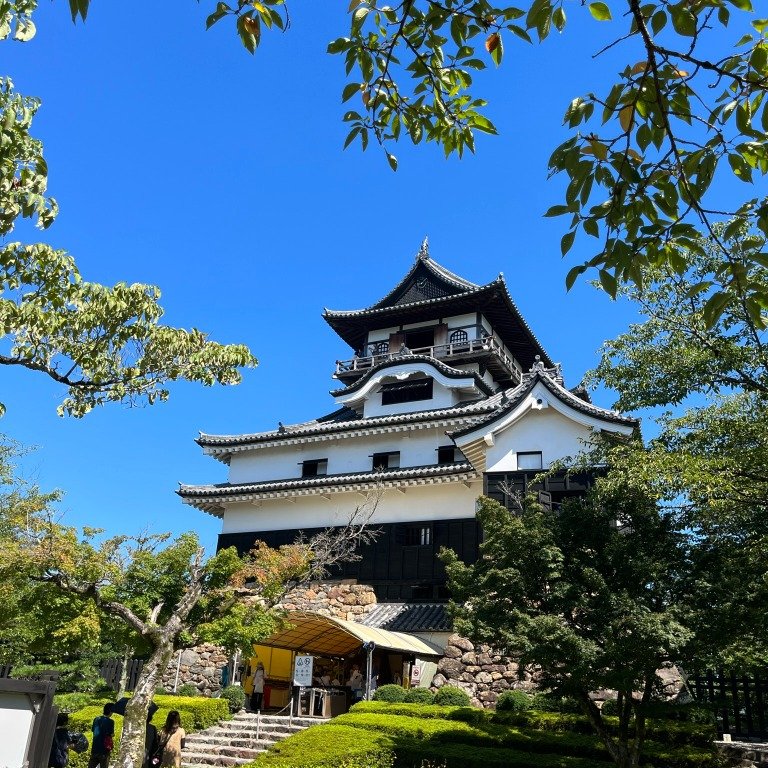
Perched on a hill, it’s the oldest wooden Tenshu among the original castles. The view from the top floor over the Kiso River is spectacular, and exploring the historic town in kimono is a popular activity.
- Access: From Meitetsu Nagoya Station (NH36), take the Meitetsu Inuyama Line to Inuyama Station (IY15) (about 30 minutes). Walk through the historic town for about 15 minutes.
8. Matsue Castle (Shimane) – The Black Castle and the Moat Tour
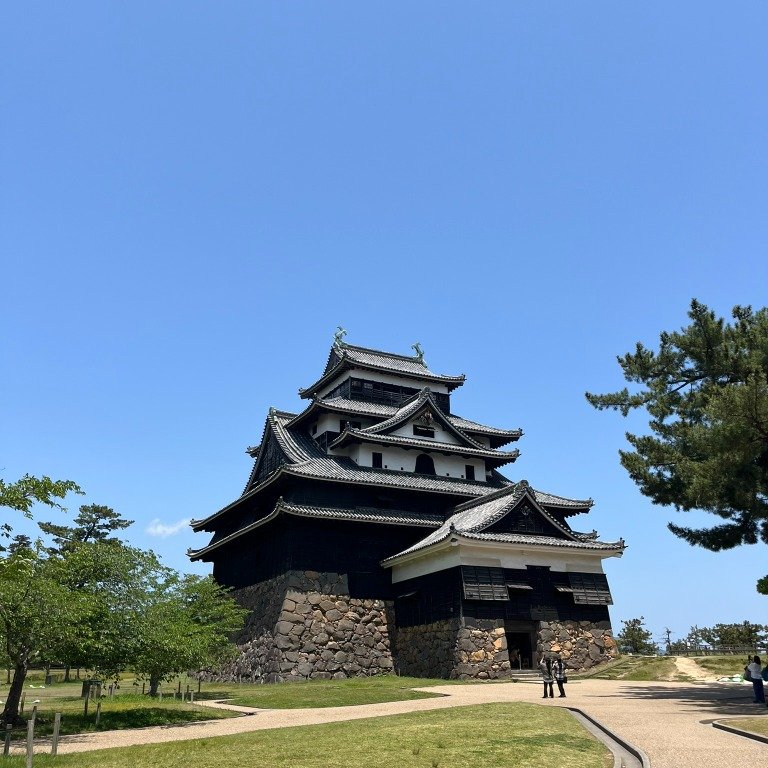
Located near Lake Shinji, this sturdy fortress is one of the original 12 castles. The moat tour “Horikawa Sightseeing Boat” is a big hit with foreign visitors.
- Access: From Izumo Enmusubi Airport (IZO) or Yonago Airport (YGJ), take a shuttle to Matsue Station. Alternatively, take the JR Yakumo Limited Express from Okayama Station to Matsue Station. A bus ride of about 10 minutes will get you there.
9. Goryokaku (Hokkaido) – The Beautiful Star Fort
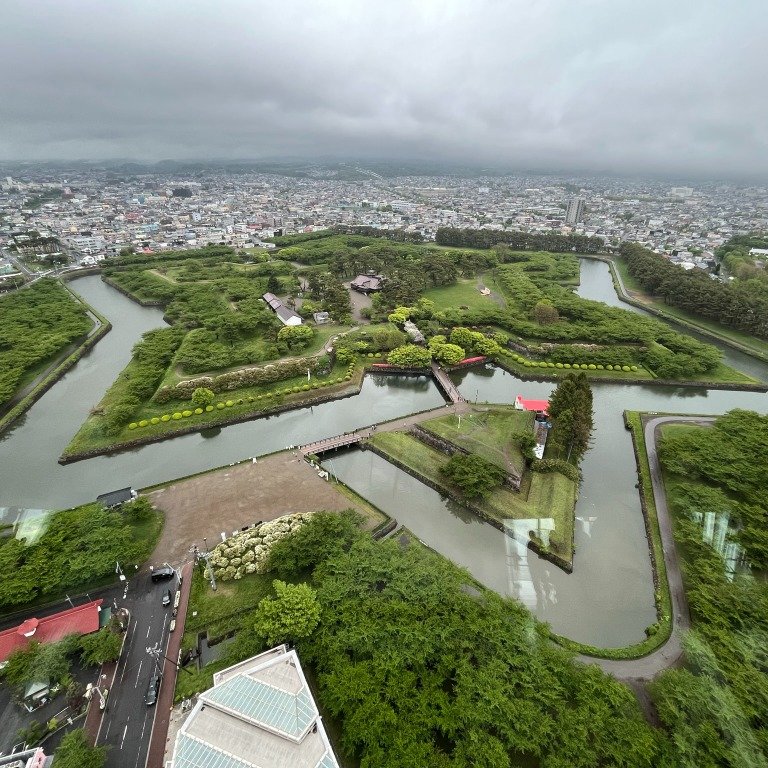
Built at the end of the Edo period, this unique star-shaped fort is a rare example of European-style fortification in Japan. The view from the Goryokaku Tower is breathtaking, especially when the star-shaped moat is lined with cherry blossoms in spring.
- Access: From Hakodate Airport (HKD), take a bus or from JR Hakodate Station, take the Hakodate City Tram to Goryokaku-Koen-Mae stop (DY12). It’s about a 15-minute walk.
10. Hikone Castle (Shiga) – A National Treasure and Home of Hikonyan
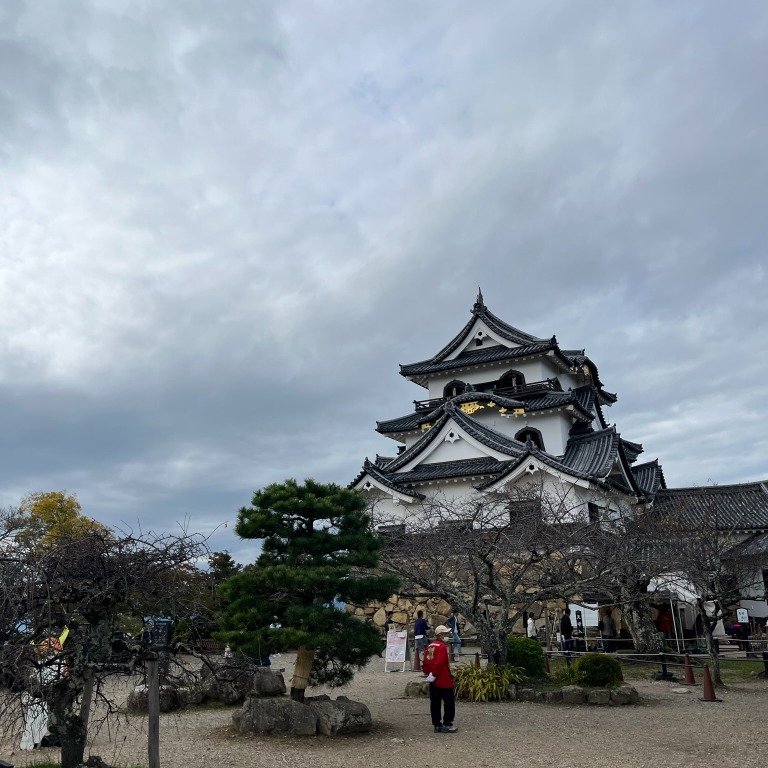
Nestled by Lake Biwa, this beautiful original castle is a national treasure. Plus, you can meet the famous samurai cat mascot “Hikonyan” here every day! It’s a purr-fect destination for cat-loving travelers.
- Access: From Kyoto Station (JR-A31) or Osaka Station (JR-A47), take the JR Biwako Line to Hikone Station (JR-A13) (about 50 minutes from Kyoto). It’s a 15-minute walk from the station.
When visiting Japanese castles, don’t just admire their beauty—imagine how you’d scale those walls if you were an intruder! It makes for an exciting experience. Wishing you a pawsome historical adventure!
A Note from OHA: The Ultimate Castle Challenge
(A quick message from my human companion and photographer, OHA!)
“How did you like learning about Japanese castles? If this sparked your interest, let me introduce you to an even deeper, more hardcore world of castle exploration.
In Japan, there is an official ‘Stamp Rally’ for the ‘100 Fine Castles of Japan’ and the ‘Continued 100 Fine Castles of Japan,’ meticulously selected by castle researchers. The goal is to travel across the entire country to visit all 200 of these specific fortresses and collect their unique stamps in an official book. Honestly, it’s less of a sightseeing tour and more of an ascetic training journey (shugyo). And yes, of course, I have already completed it!
If you’re feeling adventurous and want to take on this ultimate 200-castle challenge… my first piece of advice is to just move to Japan!”
[Matatabi Taro’s Travel Tip]
He went to 200 castles?! No wonder my paws are always tired from traveling with him! If you plan to visit even one or two castles, make sure to wear comfortable walking shoes, as those ancient stone steps and steep paths are no joke, meow!