
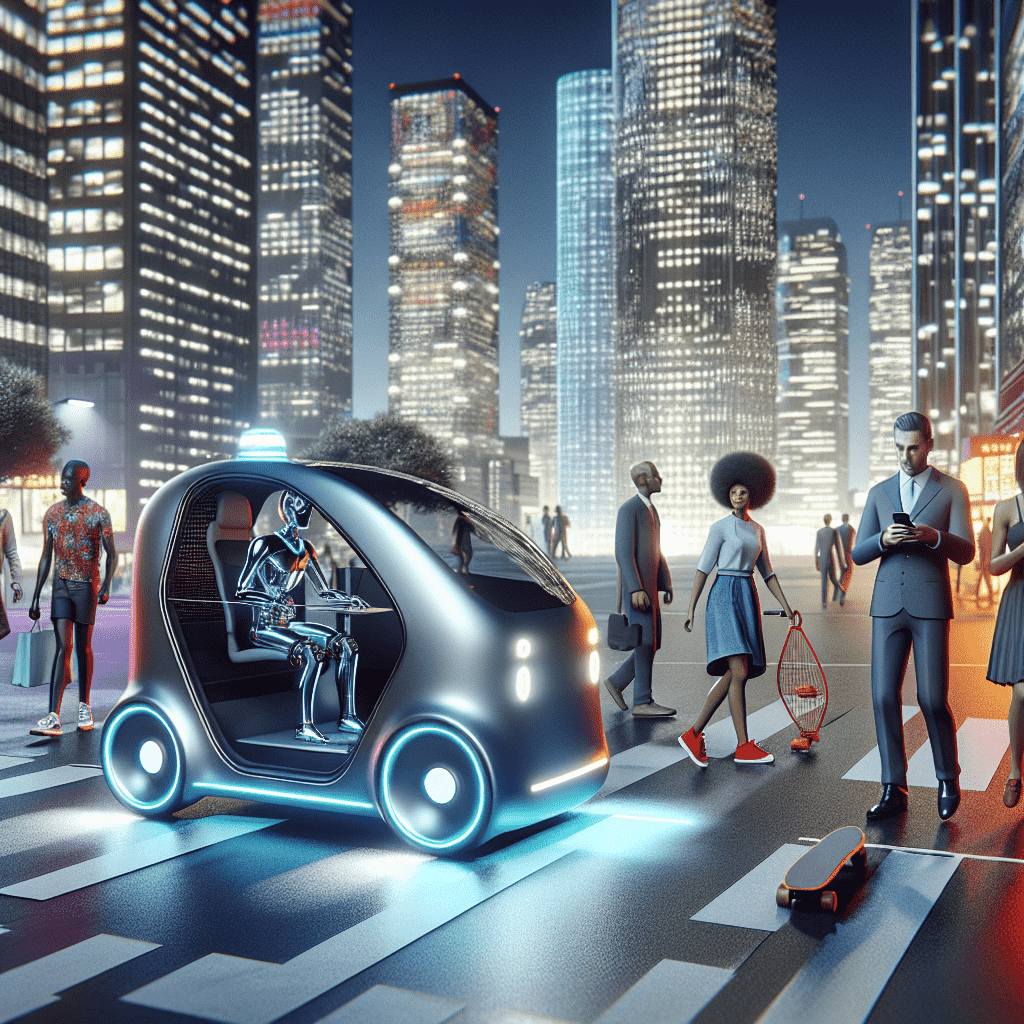
Revolutionizing Rides: Zoox’s Journey to Robotaxi Launch
In a significant leap towards the future of urban transportation, Zoox, the autonomous vehicle company owned by Amazon, has announced the forthcoming launch of its robotaxi services in Austin and Miami. After nearly two years of rigorous testing in these vibrant cities, Zoox is on the brink of transforming how residents and visitors navigate urban landscapes. But what does this mean for the future of mobility?
The Road to Robotaxis
Founded in 2014, Zoox has been at the forefront of developing autonomous vehicles designed specifically for ride-sharing. Unlike traditional ride-hailing services, Zoox’s robotaxis are built from the ground up to operate without a human driver, featuring a unique bidirectional design that allows them to navigate both directions on a single lane. This innovative design not only enhances safety but also maximizes space efficiency on crowded urban streets.
Austin and Miami: The Perfect Testing Grounds
Austin and Miami, known for their tech-savvy populations and bustling urban environments, have served as ideal locations for Zoox’s extensive testing. The diverse geography and varying traffic patterns in these cities provide a comprehensive backdrop for refining their technology.
In Austin, the eclectic mix of pedestrians, cyclists, and vehicles presents a real-world challenge for autonomous systems, while Miami’s vibrant nightlife and tourism-heavy areas require a robust and adaptable transportation solution. Zoox’s ability to navigate these complexities demonstrates its readiness to integrate into the urban fabric.
Benefits of Zoox’s Robotaxis
- Environmental Impact: With a focus on electric vehicles, Zoox is poised to contribute to greener urban transport, reducing carbon footprints.
- Safety First: Autonomous technology aims to minimize human error, which is a leading cause of road accidents.
- Increased Accessibility: Robotaxis can provide transportation solutions for those who lack access to conventional vehicles, enhancing mobility for all.
- Efficiency in Urban Transport: By optimizing routes and reducing traffic congestion, Zoox promises a smarter approach to city transport.
Public Reception and Future Predictions
The reception of autonomous vehicles has been mixed, with excitement about the potential benefits tempered by concerns over safety and job displacement. However, Zoox’s commitment to transparency and community engagement may help ease these anxieties. By involving local stakeholders and addressing their concerns, Zoox can foster a more accepting environment for its services.
Looking forward, the success of Zoox in Austin and Miami could catalyze a nationwide roll-out of robotaxis, potentially leading other cities to adopt similar technologies. With urban populations on the rise, the need for efficient and sustainable transportation solutions will only become more pressing. Furthermore, as public acceptance grows, we may see a shift in regulatory frameworks, paving the way for more autonomous vehicles on our roads.
In conclusion, Zoox’s entry into the robotaxi market is not just about offering rides; it represents a significant step towards reshaping urban mobility as we know it. As technology continues to evolve, the future of our cities may be defined by the very vehicles that once seemed like science fiction.