
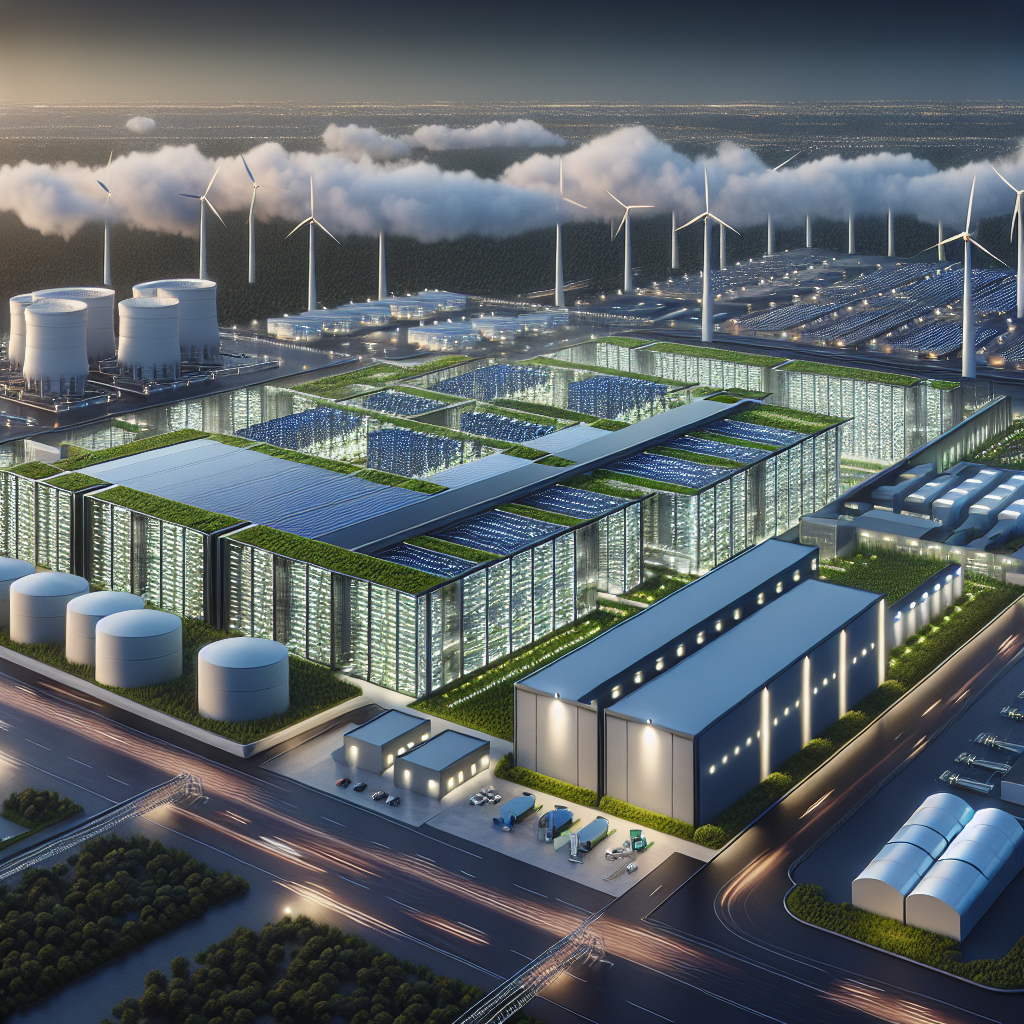
The Rising Demand for Energy in AI
The rapid advancement of artificial intelligence (AI) technologies has created an insatiable hunger for computational power. Tech giants like Meta, Microsoft, and Google are in a relentless race to build more sophisticated AI models, which in turn requires massive data centers to host the processing capabilities these models demand. As these companies scale their operations, the question of energy consumption becomes paramount. Enter natural gas: a fossil fuel many are counting on to meet their escalating energy needs.
Natural Gas: The Double-Edged Sword
Natural gas is often hailed as a cleaner alternative to coal and oil, emitting less carbon dioxide for the same amount of energy produced. However, the reliance on natural gas for powering data centers brings with it a plethora of potential issues. As Meta, Microsoft, and Google invest heavily in new natural gas power plants, they may be inadvertently locking themselves into a long-term dependency on fossil fuels. This could not only affect their sustainability goals but also their public image in an era increasingly focused on climate change.
Environmental Concerns
- Greenhouse Gas Emissions: Despite being touted as a cleaner option, natural gas is still a fossil fuel, and its extraction and transportation often result in methane leaks, a potent greenhouse gas.
- Fracking Risks: The process of hydraulic fracturing (fracking) necessary to extract natural gas poses significant environmental risks, including groundwater contamination and increased seismic activity.
- Long-term Viability: As the world pushes towards renewable energy sources, investing in fossil fuel infrastructure may lead to stranded assets in the future.
Economic Implications
While the immediate costs of building natural gas plants may seem justifiable, the long-term economic implications could be dire. Prices for natural gas can be volatile, influenced by geopolitical tensions, market demand, and regulatory changes. Companies may find themselves at the mercy of fluctuating energy costs, which could undermine their financial stability in the long run. Moreover, as more competitors pivot towards renewable energy sources, those reliant on natural gas could quickly fall behind in the global market.
Public Perception and Corporate Image
In an age where consumers are increasingly concerned about sustainability, the decision to invest in natural gas could backfire. Tech companies are often seen as leaders in innovation and responsibility, and a shift towards fossil fuels may lead to public backlash. This could result in consumer boycotts, negative media coverage, and a tarnished brand image. As these companies attempt to promote AI as a tool for good, their investment in natural gas power plants could contradict that narrative.
Future Predictions: A Shift Towards Renewables?
As the world transitions towards renewable energy, it is crucial for AI companies to rethink their energy strategies. While natural gas may serve as a short-term solution, the long-term focus must be on sustainable and renewable sources like solar, wind, and hydroelectric power. Companies that adapt early by investing in cleaner energy solutions are likely to emerge as leaders in both technology and environmental responsibility.
In conclusion, while the allure of natural gas power plants may seem pragmatic for AI companies, the potential pitfalls are significant. As the global landscape shifts toward sustainability, the true question remains: will these tech giants recognize the risks before it’s too late?