
A Transformative Leap in Urban Mobility
In recent years, the world has witnessed a remarkable transformation in urban transportation, with the advent of autonomous vehicles leading the charge. Among the trailblazers in this space is Waymo, a subsidiary of Alphabet Inc. and a leader in self-driving technology. Recent data reveals that Waymo’s weekly paid robotaxi trips have increased tenfold in less than two years. This surge not only underscores the growing acceptance of autonomous vehicles but also highlights significant shifts in consumer behavior and urban transportation dynamics.
The Numbers Behind the Surge
According to a recent report from TechCrunch, Waymo’s weekly ridership has skyrocketed to unprecedented levels. In early 2024, the company reported approximately 10,000 paid rides per week, a massive leap from just 1,000 rides in late 2022. This dramatic increase can be attributed to several factors:
- Expansion of Service Areas: Waymo has broadened its operational zones, now serving more neighborhoods in Phoenix, Arizona, and expanding into various parts of San Francisco.
- Improved Technology: Continuous advancements in AI and machine learning have enhanced the safety and efficiency of Waymo’s self-driving algorithms, making rides safer and more reliable.
- Consumer Acceptance: As people become more familiar with autonomous technology, more are willing to trust robotaxis for their daily commutes and outings.
What Does This Mean for the Future?
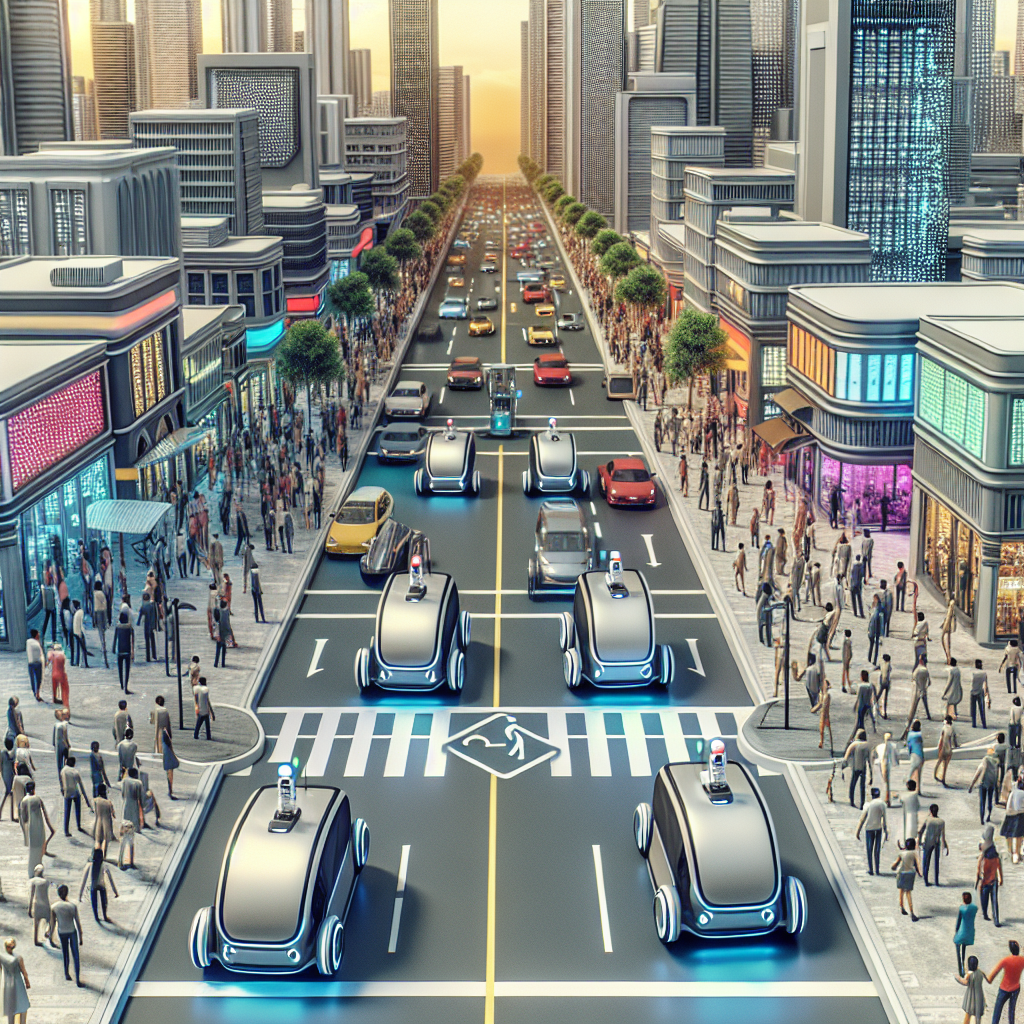
The implications of Waymo’s success extend far beyond just increased ridership numbers. The rise of robotaxis could reshape urban landscapes, reducing traffic congestion, and lowering emissions. As more people opt for autonomous rides instead of private vehicles, cities can reallocate road space for pedestrian zones and green areas, enhancing the quality of urban life.
Moreover, this trend signals a shift in the transportation industry at large. Traditional car ownership may soon become a thing of the past, with on-demand mobility solutions taking center stage. The convenience of having a self-driving car available at the touch of a button could lead to a decline in personal vehicle sales, prompting automakers to pivot their business models toward service-oriented approaches.
Challenges Ahead
Despite the optimistic outlook, the road ahead is not without its challenges. Regulatory hurdles remain a significant barrier, as governments grapple with how to safely integrate autonomous vehicles into existing transportation systems. Additionally, concerns about data privacy, cybersecurity, and the ethical implications of AI decision-making loom large. As Waymo and other companies advance their technologies, they must also address these pressing issues to gain public trust.
Your Role in This Future
As we stand on the brink of a transportation revolution, it’s essential for individuals, businesses, and governments to engage with these changes actively. Staying informed about advancements in autonomous technology and participating in discussions about its implications can help shape a future that benefits everyone. Embrace the possibilities that come with innovation, and consider how you might integrate autonomous services into your lifestyle.
Conclusion: A Bright Future for Robotaxis
Waymo’s tenfold increase in ridership is not just a statistic; it represents a pivotal moment in the evolution of urban mobility. With technological advancements, consumer acceptance, and a shift in urban planning, the future looks promising for robotaxis and autonomous vehicles. As we continue to navigate this new landscape, one thing is clear: the age of the robotaxi is just beginning, and it’s poised to revolutionize the way we think about transportation.