
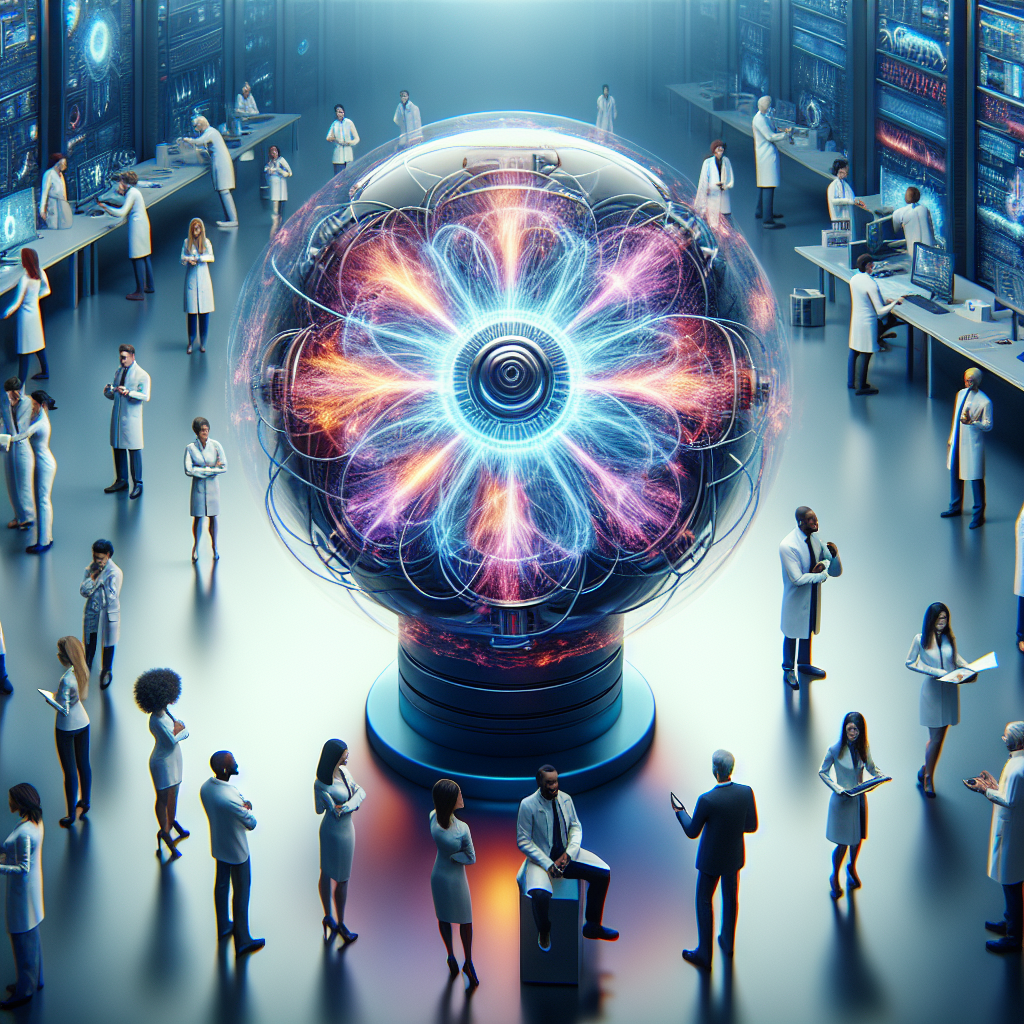
Understanding Fusion Power: The Future of Clean Energy
Fusion power has long been a dream for scientists and energy enthusiasts alike. Unlike fossil fuels or even nuclear fission, which splits atoms, fusion combines light atomic nuclei to form heavier ones, releasing vast amounts of energy in the process. This process mimics the reactions that power our sun, where hydrogen nuclei fuse to create helium and energy. The potential of fusion power lies not only in its ability to produce large amounts of electricity but also in its promise of using nearly limitless fuel sources, primarily isotopes of hydrogen like deuterium and tritium.
The Promise of Clean Energy
As the world grapples with the urgent need for clean energy solutions to combat climate change, fusion power stands out as a beacon of hope. It offers several advantages over traditional energy sources:
- Abundant Fuel Supply: Hydrogen is one of the most abundant elements in the universe, and extracting it for fusion is feasible.
- Minimal Waste: Fusion produces far less radioactive waste compared to nuclear fission, and the waste it does produce has a significantly shorter half-life.
- No Greenhouse Gas Emissions: The energy generated through fusion does not contribute to greenhouse gas emissions, making it a cleaner alternative.
Current Approaches to Fusion Power
There are several methods being explored to achieve controlled fusion, each with its own unique challenges and potential:
- Magnetic Confinement Fusion (MCF): This method uses powerful magnetic fields to contain hot plasma, preventing it from touching the reactor walls. The most notable example is the ITER project in France, which aims to demonstrate the feasibility of fusion power on a large scale.
- Inertial Confinement Fusion (ICF): In ICF, lasers or other forms of energy compress small pellets of fuel to extremely high densities and temperatures, initiating fusion reactions. The National Ignition Facility (NIF) in the U.S. is one of the leading projects in this area.
- Alternative Approaches: Several startups are exploring innovative techniques, such as the use of advanced materials or novel confinement methods, to accelerate the development of fusion reactors.
Startups Leading the Charge
As traditional research institutions work on large-scale projects, numerous startups are emerging, each bringing fresh ideas and approaches to fusion power. Here are a few notable companies making headlines:
- Commonwealth Fusion Systems: This company is working on a compact fusion reactor based on high-temperature superconductors, which could significantly reduce the cost and size of fusion reactors.
- Tae Technologies: Focusing on a proprietary method called magnetic fusion, Tae Technologies claims to be close to achieving net positive energy from fusion.
- Helion Energy: With a focus on developing a fusion generator that can eventually be integrated with the existing power grid, Helion aims to make fusion commercially viable by 2024.
Looking Ahead: The Future of Fusion Power
The race to achieve practical fusion power is more than just a scientific endeavor; it represents a paradigm shift in how humanity can harness energy. While challenges remain, the increasing investment from both private and public sectors indicates a growing confidence in fusion technology. If successful, fusion could lead to a world where energy is abundant, clean, and affordable, significantly alleviating our reliance on fossil fuels.
In the coming years, we can expect to see continued advancements in technology, possibly leading to the first commercially viable fusion reactors within the next decade. This timeline may seem ambitious, but the pace at which startups are innovating suggests that the dream of fusion power is closer to reality than ever before.
In conclusion, as we navigate the complexities of energy production in the face of climate change, fusion power stands out as a potentially game-changing solution. The convergence of scientific research and entrepreneurial spirit could finally unlock the door to a cleaner, sustainable future, making the world a better place for generations to come.