
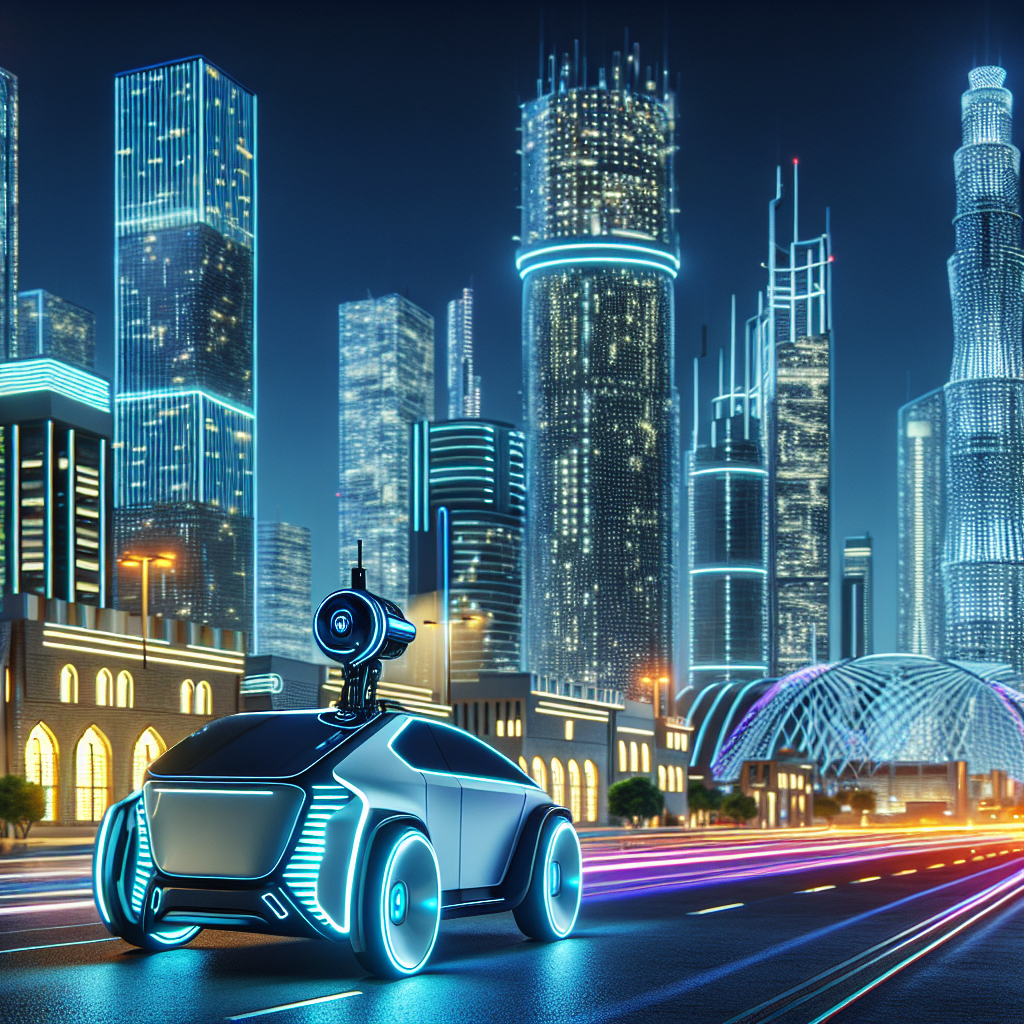
The Rise of Robotaxis in the Middle East
In a groundbreaking move that signals the future of urban transportation, Uber has significantly increased its stake in WeRide, a leading autonomous driving technology company, as they launch robotaxi operations in Dubai. This initiative marks a critical step towards a driverless future, particularly in the Middle Eastern region, where urban mobility challenges are ripe for innovation.
A Partnership Forged in Innovation
Uber’s partnership with WeRide is not just a business transaction; it’s a collaboration aimed at revolutionizing how we think about ride-hailing and transportation. With their latest venture, Dubai becomes one of the first cities in the world to operate robotaxis without a human safety operator. This bold step could set a precedent for other cities globally, showcasing the potential of autonomous vehicles in urban settings.
The Dubai Advantage: Why Here and Now?
Dubai has long been a city known for its embrace of technology and innovation. From the world’s tallest building to the first 3D-printed office, the emirate is a playground for futuristic concepts. The local government’s support for autonomous mobility aligns perfectly with Uber and WeRide’s ambitions. With a rapidly growing population and an increase in vehicle demand, implementing robotaxis could alleviate traffic congestion and enhance the overall transportation ecosystem.
How Robotaxis Work: The Technology Behind the Scenes
So, how do these autonomous vehicles operate without human intervention? Utilizing a combination of advanced sensors, artificial intelligence, and real-time data processing, robotaxis can navigate complex urban environments. They rely on a detailed map of the city, coupled with machine learning algorithms that continually improve their performance. This technology ensures not only efficiency but also safety, as the vehicles can react to dynamic scenarios on the road.
What This Means for the Future of Transportation
The implications of Uber and WeRide’s partnership extend far beyond Dubai. As cities worldwide grapple with traffic congestion, pollution, and the increasing demand for mobility solutions, autonomous vehicles present a viable alternative. With successful implementation in Dubai, we may soon see similar models adopted in other urban centers across the globe.
Challenges Ahead: The Road to Widespread Adoption
However, the path to widespread acceptance of robotaxis is fraught with challenges. Regulatory hurdles, public perception, and safety concerns will need to be addressed. While some may welcome the convenience of a driverless ride, others may harbor fears about safety and the technology itself. Education and transparency will be crucial in overcoming these obstacles.
Your Future Ride Awaits
As we stand on the cusp of this transformative shift in transportation, the collaboration between Uber and WeRide in Dubai is just the beginning. The potential for robotaxis to reshape urban mobility is immense, and as technology advances, we can expect improvements not only in efficiency but also in the overall experience of commuting.
In conclusion, the launch of robotaxi operations in Dubai serves as a pivotal moment in the evolution of transportation. As Uber expands its footprint in the Middle East through partnerships like that with WeRide, we can anticipate a future where autonomous vehicles become a norm rather than an exception. This transformation will not only redefine our daily commutes but also contribute to a more sustainable and efficient urban landscape.