
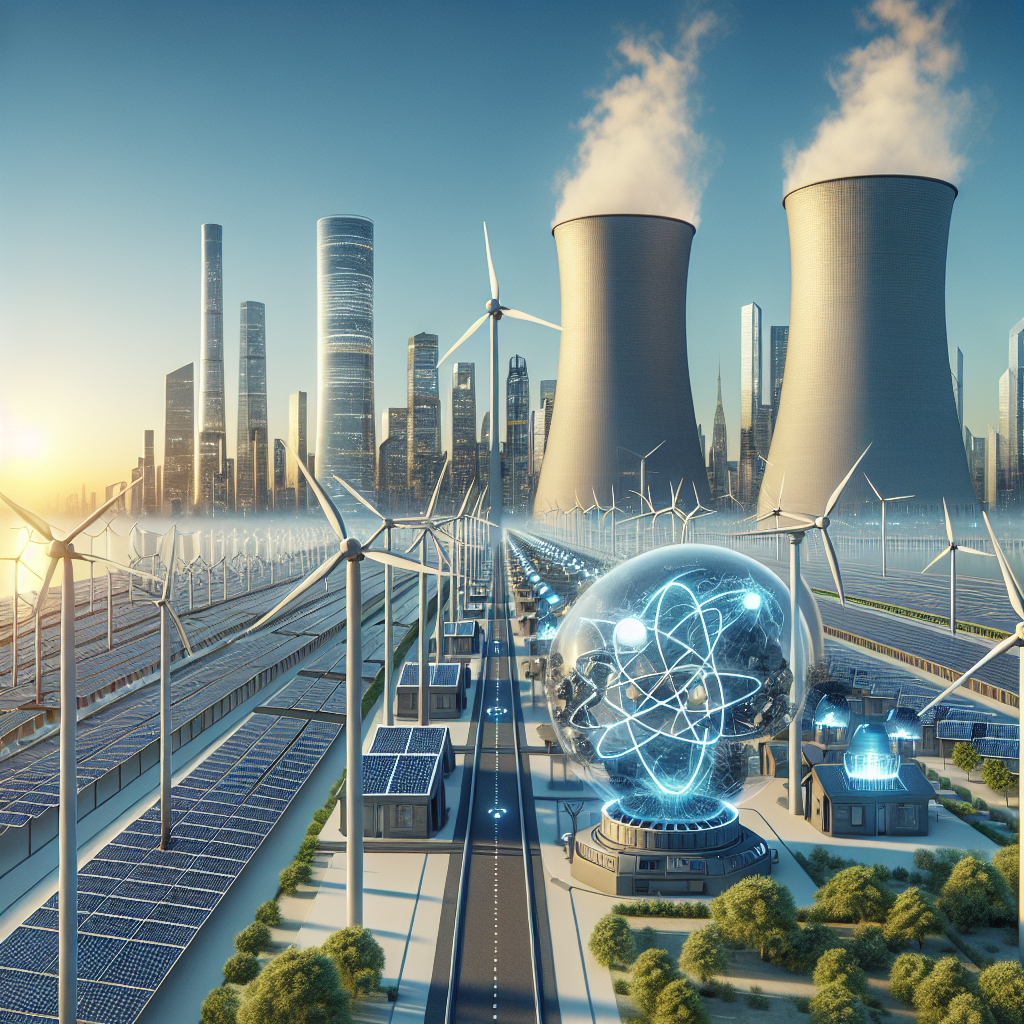
Introduction: The Energy Landscape of Tomorrow
The quest for sustainable and reliable energy sources is more critical than ever as we approach 2035. With climate change concerns and energy demands skyrocketing, the question looms: what will power the grid in the near future? Recent discussions have highlighted the fierce competition among various energy technologies, including nuclear fusion, fission, and natural gas, each vying for a pivotal role in our energy landscape.
The Energy Race: Fusion vs. Fission vs. Natural Gas
Historically, energy production has relied heavily on fossil fuels, but the urgency to transition to cleaner alternatives has spurred innovation in several fields. Let’s delve deeper into the three frontrunners in this energy race:
- Nuclear Fusion: Often hailed as the “holy grail” of energy, fusion aims to replicate the processes that power the sun. If achieved commercially, it promises an almost limitless supply of energy with minimal environmental impact. Major projects like ITER in France are pushing the boundaries, but commercial viability remains a decade or more away.
- Nuclear Fission: While nuclear fission has been a part of our energy mix for decades, advancements in reactor design and safety features are breathing new life into this option. Small modular reactors (SMRs) are emerging as a promising solution, providing scalable and safer nuclear energy.
- Natural Gas: Often seen as a bridge fuel, natural gas emits less CO2 compared to coal and oil. Its role in the energy transition is significant, especially as it supports the intermittent nature of renewable sources like wind and solar. However, concerns about methane emissions and long-term sustainability remain significant challenges.
Renewable Energy: The Unsung Hero
While fusion, fission, and natural gas are in the spotlight, we must not overlook renewable energy sources. Solar, wind, and hydroelectric power are experiencing rapid advancements in technology and efficiency. For instance, the cost of solar panels has plummeted over the last decade, making solar energy a viable option for households and industries alike.
Moreover, battery technology is also evolving, enhancing the ability to store energy generated from renewables for use during peak demand. This combination of renewables and storage solutions paints a promising picture for the energy grid of 2035.
The Global Perspective: Different Approaches
Energy strategies vary across the globe, influenced by local resources, policies, and technological advancements. For instance, countries rich in solar exposure, such as those in the Middle East and North Africa, are investing heavily in solar energy infrastructure. In contrast, nations with significant uranium reserves, like Canada and Australia, may favor nuclear solutions.
Additionally, the energy transition is not just a technological challenge but also a socio-economic one. Governments must navigate public opinion, regulatory frameworks, and financial investments while fostering innovation in energy production.
Conclusion: Predicting the Future of Energy
As we peer into the future, the energy grid of 2035 is likely to be a mosaic of various technologies. Nuclear fusion may still be on the horizon, while fission and natural gas will continue to play crucial roles in the transition. However, the most significant shift may come from the accelerated adoption of renewables backed by innovative storage solutions.
In my view, the energy sector is at a pivotal crossroads. The ability to embrace a diverse energy mix while prioritizing sustainability will define the success of our energy landscape. It’s an exciting time to be part of this evolution, and as we approach 2035, staying informed and engaged in these developments will be vital for consumers, businesses, and policymakers alike.