
The Transition of Tesla: A New Chapter Begins
Tesla has long been synonymous with electric vehicles (EVs), pioneering innovations that have not only transformed the automotive industry but also changed the way we think about transportation. However, as the automotive landscape evolves, so too must Tesla. The recent announcement that the Tesla Model X and S are nearing their final days marks the end of an iconic era. As we say goodbye to these beloved models, all eyes are now on the upcoming Cybercab and the ambitious Optimus robot.
The Legacy of the Model X and S
Since their introduction, the Tesla Model X and S have set benchmarks for luxury, performance, and technology in the electric vehicle market. The Model S, launched in 2012, not only showcased Tesla’s engineering prowess but also elevated the EV narrative, proving that electric cars could outperform traditional gasoline vehicles. Meanwhile, the Model X introduced groundbreaking features like its falcon-wing doors and advanced safety ratings, making it a family favorite.
However, with advancements in technology and shifts in consumer preferences, Tesla is looking to pivot. As the market becomes increasingly crowded with competitors, the focus has shifted from these established models to new, innovative solutions that can meet the demands of a rapidly changing world.
The Cybercab: Tesla’s Future on Wheels
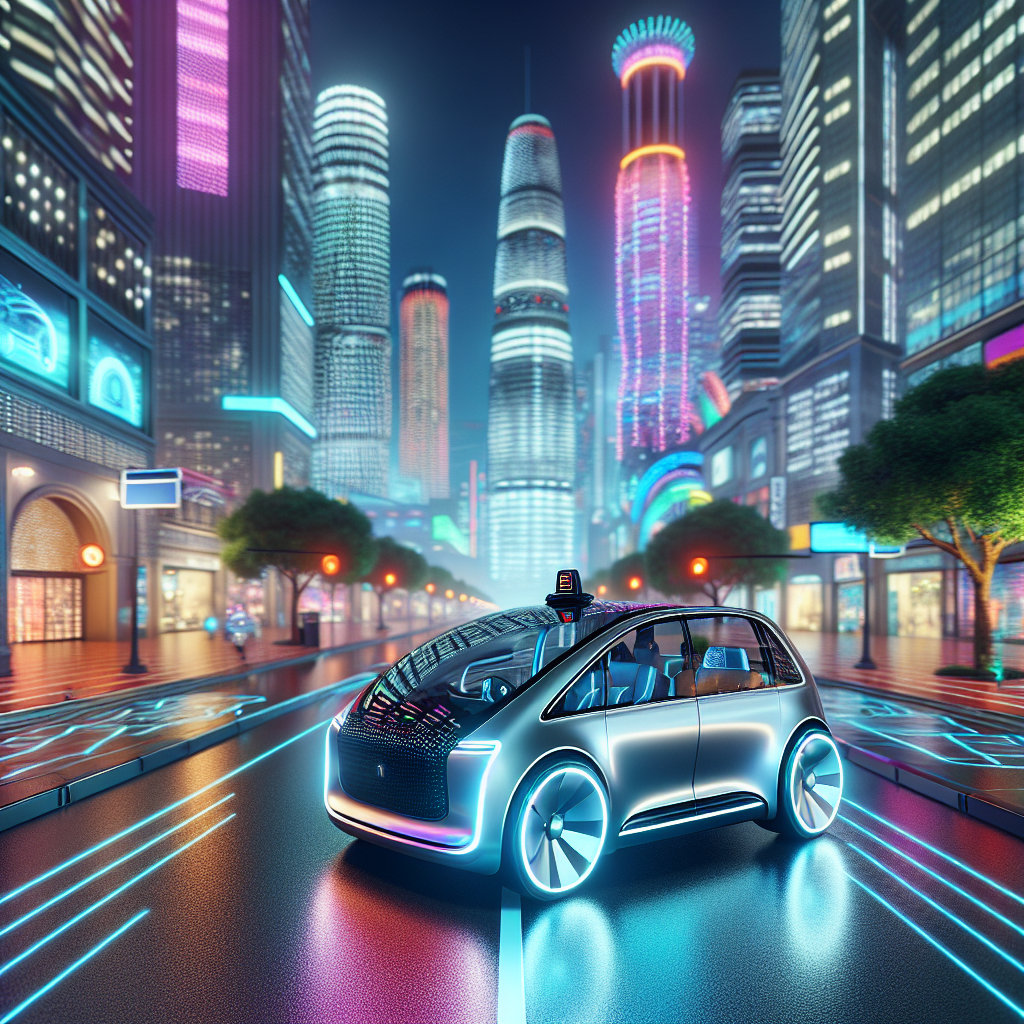
The spotlight is now firmly on the Cybercab, Tesla’s much-anticipated venture into the autonomous taxi space. This futuristic vehicle is designed to be a game-changer, promising to redefine urban mobility. The Cybercab aims to integrate Tesla’s cutting-edge AI, advanced sensors, and electric powertrains to provide a seamless and eco-friendly ride-hailing experience.
What sets the Cybercab apart is not just its design or technology; it embodies Tesla’s vision for the future of transportation. As cities become more congested and climate change becomes an ever-pressing issue, the Cybercab represents a potential solution to urban challenges. With its autonomous capabilities, it could reduce traffic, lower emissions, and offer a more efficient way to navigate city streets.
The Role of the Optimus Robot
Alongside the Cybercab, Tesla’s ambition to mass-produce the Optimus robot could further revolutionize the way we interact with technology. The Optimus robot aims to assist in various tasks, from household chores to complex industrial applications. This synergy between vehicles and robotics could pave the way for a smarter, more interconnected future.
As we look towards this new chapter, it’s essential to consider how these innovations will impact our daily lives. The combination of autonomous vehicles and intelligent robots could lead to a transformation of not just transportation, but work, leisure, and social interactions. Imagine a world where commuting is entirely automated, and household chores are managed by friendly robots, all powered by clean energy.
Conclusion: A Future Full of Possibilities
As the final days of the Tesla Model X and S approach, we find ourselves at a crossroads in the evolution of transportation. The Cybercab and the Optimus robot represent not just new products, but a bold vision for the future. Tesla’s ability to innovate and adapt will be crucial as it navigates this transition.
While we bid farewell to two groundbreaking models, we eagerly anticipate the promise of what lies ahead. Will the Cybercab and the Optimus robot fulfill their potential? Only time will tell, but one thing is certain: Tesla is not just changing vehicles; it’s reimagining the very fabric of our daily lives.