
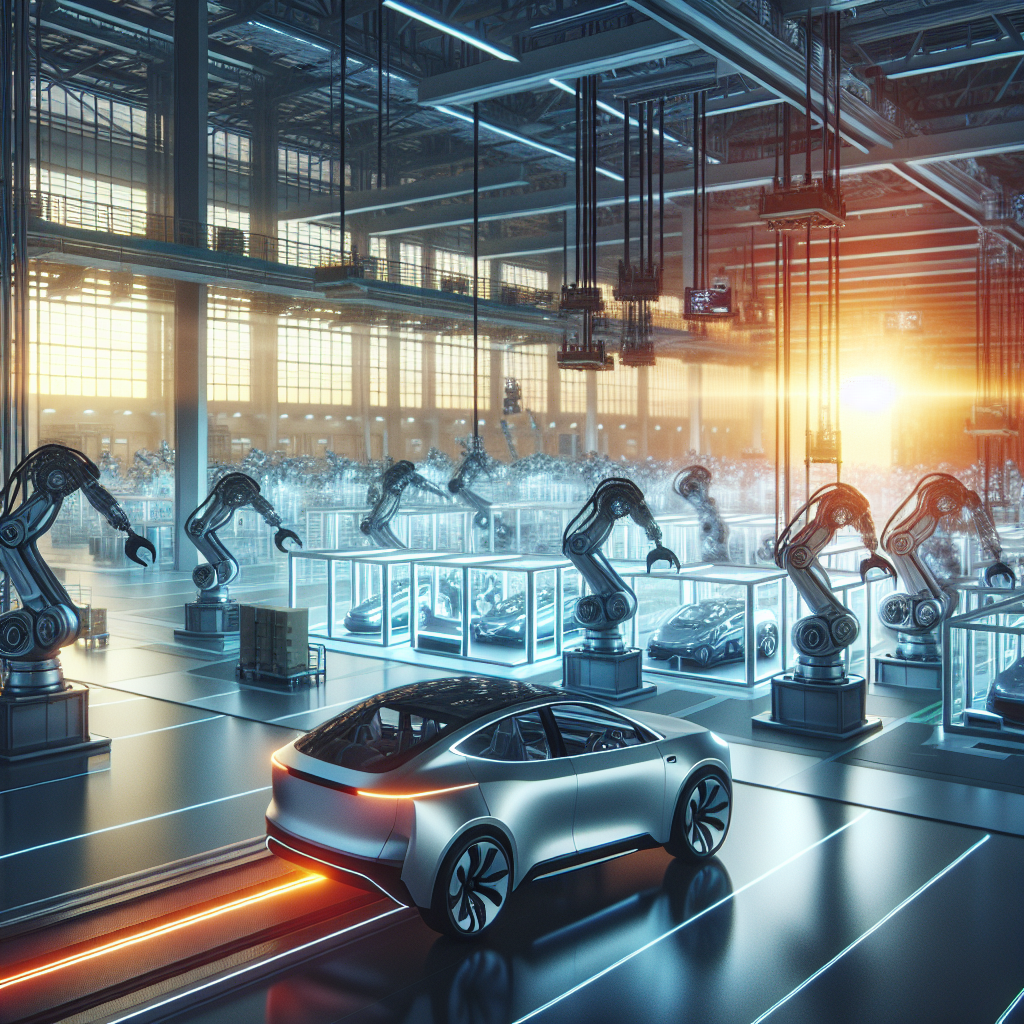
The Shifting Landscape of Tesla’s Workforce
In a startling development within the automotive industry, Tesla’s Texas factory has reportedly seen a significant reduction in its workforce. As of 2025, the headcount has plummeted by 22%, dropping from 21,191 workers to just 16,506. This drastic change comes as the company grapples with its second consecutive year of declining sales, raising questions about the future of electric vehicle production and the impact of economic fluctuations on one of the world’s leading innovators.
Understanding the Decline in Sales
The decline in Tesla’s sales is multi-faceted, influenced by several factors that have led to this unexpected shift in workforce dynamics. First and foremost, the increase in competition in the electric vehicle market has intensified, with traditional automakers ramping up their EV offerings. Companies that once lagged behind have now entered the fray with robust products that appeal to a wider audience.
Additionally, the global economic landscape has been rocky, with inflation and supply chain issues affecting consumer purchasing power. Many potential buyers are now hesitant to invest in high-ticket items like electric vehicles, leading to a slowdown in sales for Tesla. This economic strain has forced the company to reassess its operations and streamline its workforce to remain viable.
The Impact on Tesla and Its Employees
The reduction in workforce at the Texas factory is not just a statistic; it represents real lives and families affected by these changes. Employees who once felt secure in their roles now face uncertainty, and this shake-up could have lasting repercussions on employee morale and productivity. Furthermore, it raises concerns about the company’s commitment to maintaining a robust workforce in the face of adversity.
What Does This Mean for the Future?
As we look ahead, the implications of this workforce reduction may extend beyond the immediate numbers. Tesla’s ability to pivot and adapt to the changing market conditions will be crucial in determining its long-term success. The company has been known for its innovative spirit, but this situation could necessitate a more strategic approach to workforce management.
- Increased Focus on Efficiency: Tesla may need to prioritize efficiency and automation in its manufacturing processes to counteract the effects of a reduced workforce.
- Revamping Sales Strategy: A reevaluation of its marketing and sales strategies could help Tesla regain market share and boost sales.
- Investing in Employee Retention: The company might need to implement programs aimed at retaining talent and morale, which could include retraining programs for employees affected by the layoffs.
Final Thoughts
While the current situation appears challenging for Tesla, it is essential to remember that the automotive industry is cyclical. Companies often face ups and downs, but those that can adapt and innovate tend to emerge stronger. As Tesla navigates this period of uncertainty, it will be fascinating to observe how the company realigns its strategies to meet the demands of an evolving market. The future of electric vehicles is still bright, and Tesla’s next moves will undoubtedly be pivotal for the industry as a whole.