
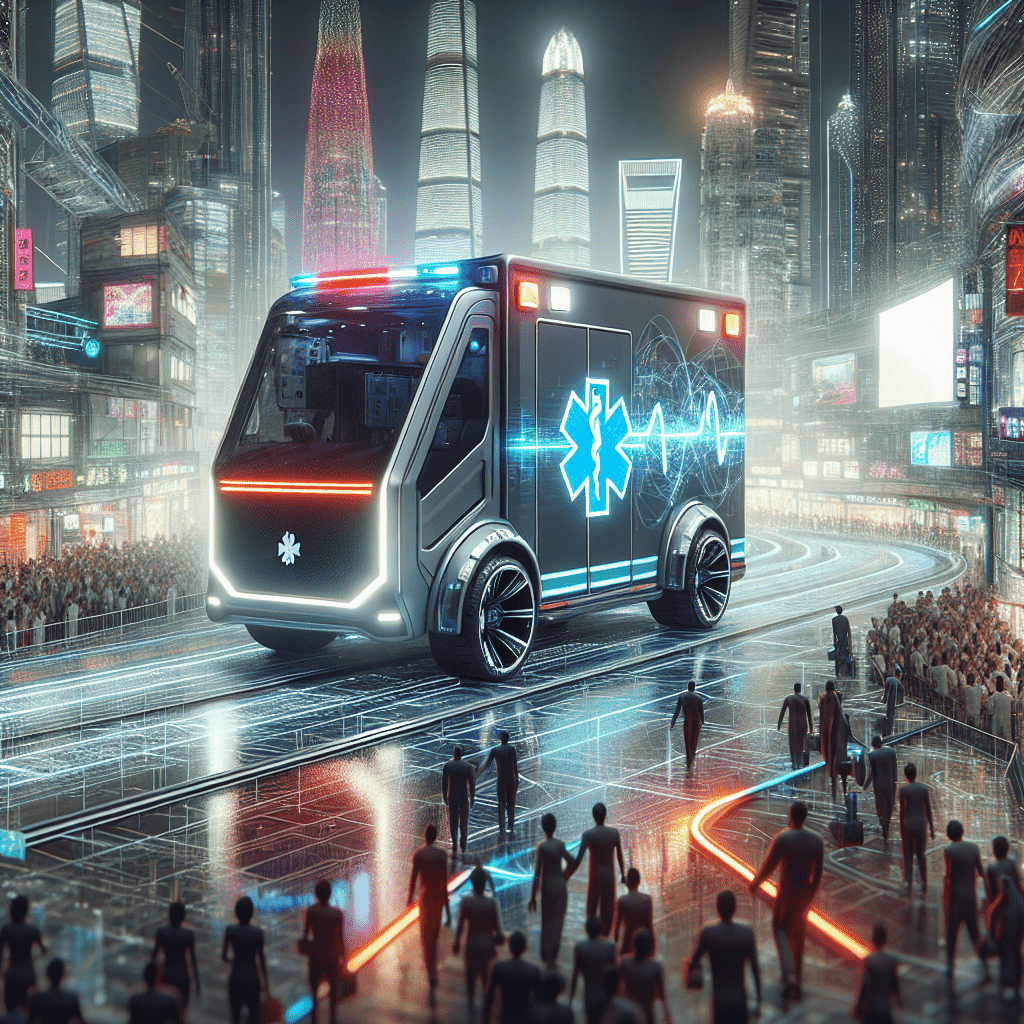
Introduction to Harbinger’s Vision
In an era where technology constantly reshapes our daily lives, the transportation sector stands at the forefront of innovation. Enter Harbinger, a young California startup that is making waves by redefining how we think about emergency vehicles. Known for its cutting-edge electric and hybrid powertrains, Harbinger has already made a name for itself by producing RVs, FedEx vans, and box trucks. Now, the company is setting its sights on a new frontier: hybrid emergency vehicles.
The Need for Hybrid Emergency Vehicles
The demand for efficient and environmentally friendly emergency response solutions has never been greater. Traditional emergency vehicles often rely on heavy fuel consumption, contributing to pollution and inefficiency. With the increasing urgency for sustainability in all sectors, Harbinger’s pivot to hybrid emergency vehicles is both timely and necessary.
These hybrid vehicles aim to support critical services such as ambulances and mobile healthcare units, ensuring that they can operate efficiently while minimizing their environmental footprint. By integrating advanced hybrid powertrains, Harbinger is not just responding to market demand; it is setting new standards for emergency services.
Harbinger’s Innovative Approach
Harbinger’s hybrid powertrain technology is designed to provide enhanced performance and reliability. The startup’s vehicles are built on a flexible architecture that can easily adapt to various types of emergency services. This adaptability is crucial in addressing the diverse needs of health and emergency responders who require vehicles that can function in different environments, from urban areas to rural locations.
- Improved Fuel Efficiency: Hybrid vehicles can switch between electric and gasoline power, significantly improving fuel efficiency and reducing costs for emergency services.
- Lower Emissions: By utilizing hybrid technology, Harbinger’s vehicles will contribute to reduced greenhouse gas emissions, aligning with global sustainability goals.
- Enhanced Reliability: The dual power sources can ensure that emergency vehicles remain operational even in the event of fuel shortages, making them more reliable in crises.
The Future of Emergency Services
As Harbinger continues to innovate, the implications for the future of emergency services are profound. With hybrid emergency vehicles, first responders can reach those in need more quickly and efficiently. Imagine an ambulance that not only arrives on the scene faster but does so while producing significantly less pollution. This is not just a dream; it is a future that Harbinger is working to make a reality.
Moreover, the adoption of hybrid technology in emergency vehicles could pave the way for further advancements in the transportation sector. As more companies recognize the potential of hybrid solutions, we may see a broader shift toward sustainability across various vehicle categories.
Conclusion: A Bright Path Ahead
Harbinger’s ambitious plan to develop hybrid emergency vehicles represents a significant step forward in both technology and sustainability. As we move into a future increasingly defined by our environmental choices, it is crucial that industries adapt to meet these challenges head-on. With innovative companies like Harbinger leading the charge, we can anticipate a world where emergency responders are not only equipped to save lives but do so in a manner that protects the planet.
In conclusion, the emergence of hybrid emergency vehicles could revolutionize emergency services as we know them. If Harbinger successfully launches these vehicles, it may inspire other startups and established companies to follow suit, ultimately transforming the landscape of transportation and public safety.