
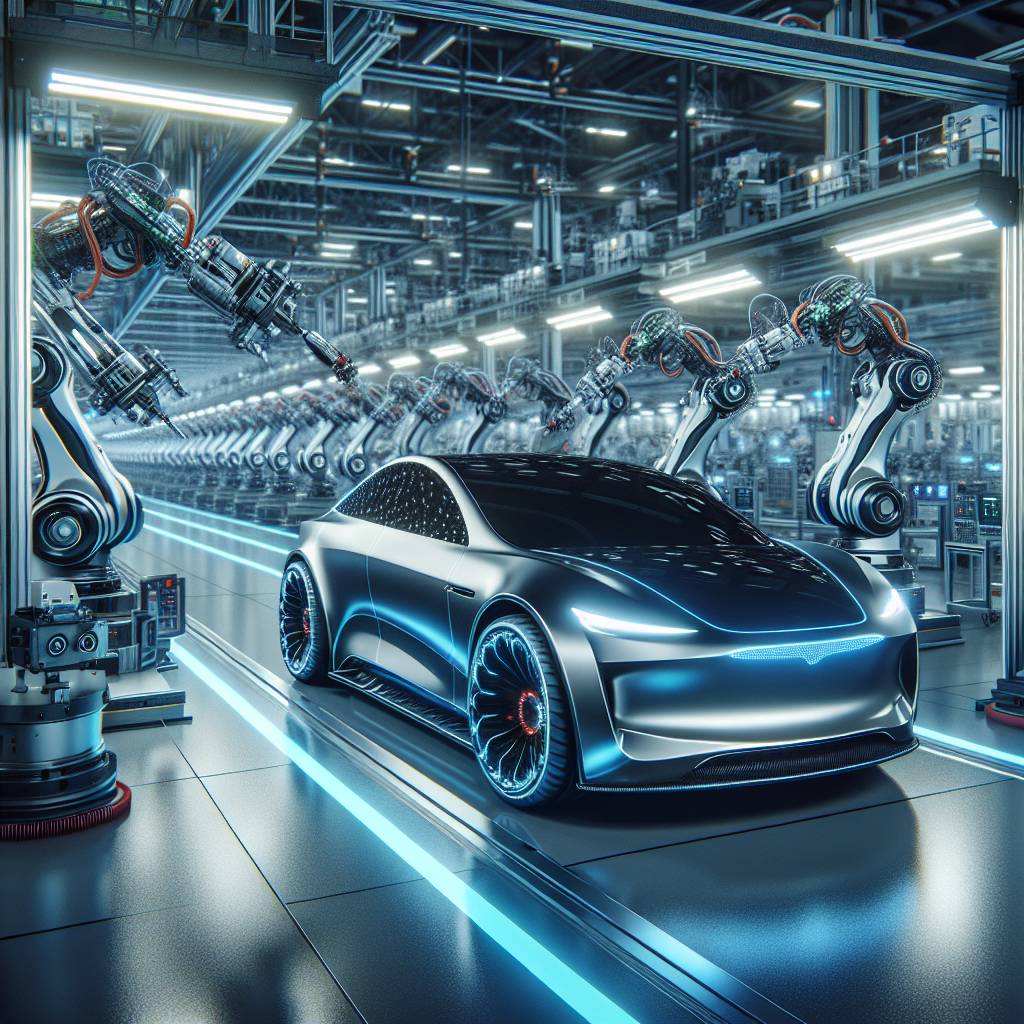
The Challenges of Electric Vehicle Production
In the ever-evolving landscape of electric vehicles (EVs), manufacturers often face unexpected challenges that can impact sales and production. Recently, Lucid Motors, an ambitious player in the luxury EV market, disclosed a significant dip in its Q1 sales. The culprit? A seat supplier issue. This revelation has raised eyebrows and sparked discussions about the complexities of automotive manufacturing in today’s fast-paced environment.
What Happened in Q1?
Lucid Motors reported that its Q1 sales were lower than anticipated, primarily due to delays tied to a seat supplier. This type of disruption is not uncommon in the automotive industry, particularly for companies like Lucid that are ramping up production of new models. The luxury EV market is competitive, and any hiccup in the supply chain can lead to significant sales declines. Lucid has stated that it has resolved the issue and remains confident in its production targets for 2026, indicating that they do not plan to alter their guidance despite the setback.
The Importance of Supply Chain Management
The incident underscores the critical nature of supply chain management in the automotive sector. As companies shift towards electric vehicles, the demand for high-quality components, such as seats, has surged. Suppliers need to meet these demands consistently to ensure that production schedules remain on track. Lucid’s experience serves as a reminder that even minor issues can have ripple effects throughout the supply chain.
Comparing Lucid to Competitors
Lucid is not alone in facing supply chain challenges. Major players in the automotive industry, including Tesla and Rivian, have also reported disruptions that have impacted their production timelines. However, while these companies have dealt with similar issues, their responses and recovery strategies differ significantly. Tesla, for instance, has developed a more vertically integrated supply chain, allowing them to mitigate risks more effectively. As Lucid continues to grow, it may need to reevaluate its own supply chain strategies to avoid future pitfalls.
Looking Ahead: What’s Next for Lucid Motors?
Despite the recent setback, Lucid Motors remains optimistic about its future. The company is poised to release several new models in the coming years, which could significantly enhance its market position. With the global push towards sustainability and the rise of electric vehicles, Lucid is strategically positioned to capitalize on these trends.
Moreover, as they resolve their current supply chain issues, Lucid could benefit from a more streamlined production process. The automotive landscape is transforming rapidly, and companies that can adapt quickly will likely thrive. With strong backing and innovative technology, Lucid has the potential to emerge from this challenge stronger than before.
Your Insights
As we look to the future, it will be interesting to see how Lucid Motors navigates the challenges of the automotive industry. Will they adopt new strategies to enhance their supply chain resilience? Can they maintain their luxury branding while scaling production? The answers to these questions could define Lucid’s trajectory in the competitive world of electric vehicles.
Given the growing consumer interest in EVs and sustainability, Lucid might find that overcoming these hurdles could translate into long-term customer loyalty and brand strength. As the company continues to innovate and adapt, it may very well set new standards in the luxury electric vehicle market.
🎮 Play Premium Cyberpunk Games!
Bored of reading? Check out DiveLayer Arcade for exclusive HTML5 browser games like Cyber Tactics, Data Miner, and more. No downloads required!