
The AI Inference Bottleneck: An Ongoing Challenge
As artificial intelligence continues to evolve, one significant challenge has emerged: the AI inference bottleneck. This occurs when AI models, particularly those used in real-time applications, struggle to process data quickly enough due to hardware limitations. With the rapid growth of AI technologies, addressing this bottleneck has become crucial for developers and businesses alike.
Introducing Gimlet Labs
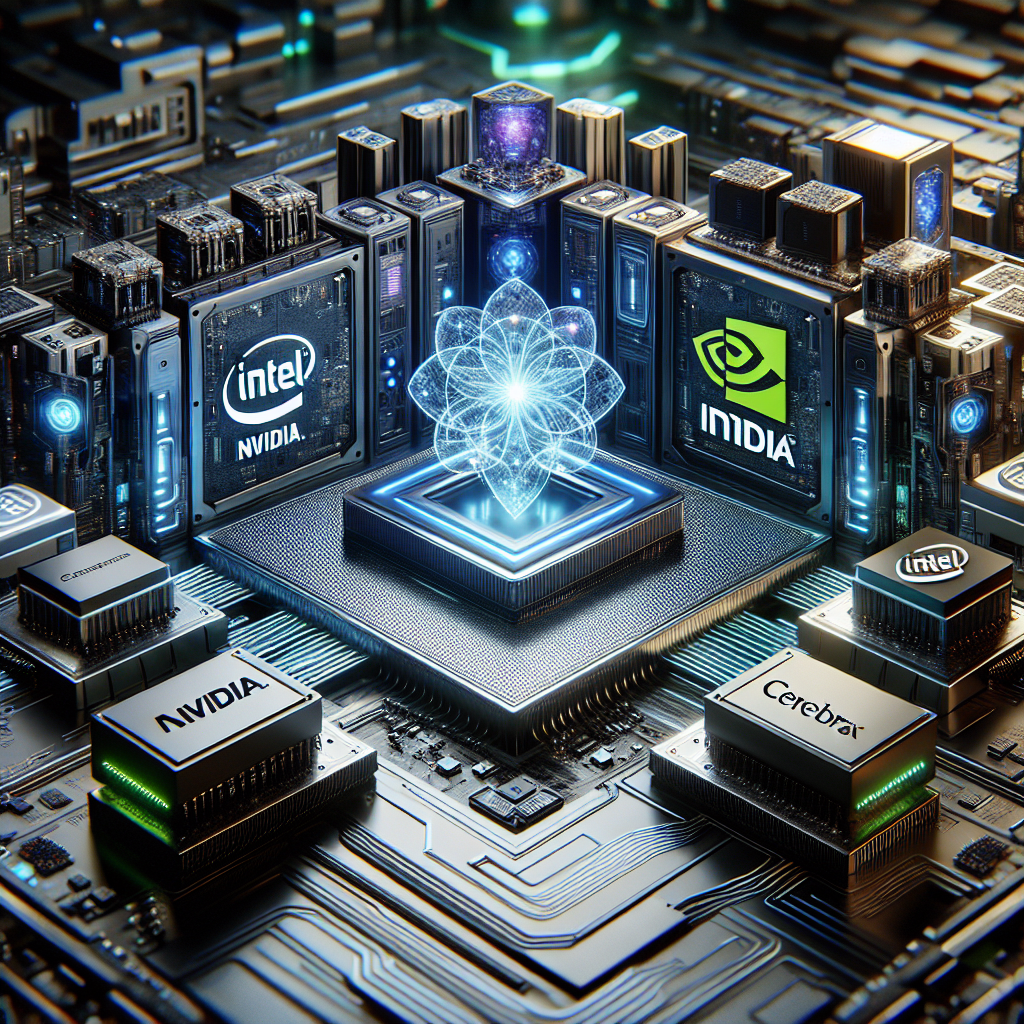
Enter Gimlet Labs, a startup that has recently made headlines by raising an impressive $80 million in Series A funding. Founded with the mission to overcome the limitations of AI inference, Gimlet Labs has developed a unique technology that enables AI to run simultaneously across multiple hardware platforms, including NVIDIA, AMD, Intel, ARM, Cerebras, and d-Matrix chips. This kind of versatility is a game-changer in the AI landscape.
Why This Matters
Traditionally, developers had to optimize their AI models for specific hardware, which can lead to inefficiencies and increased costs. With Gimlet Labs’ technology, AI applications can leverage the strengths of various hardware components, maximizing performance and minimizing latency. This ability to run AI seamlessly across different ecosystems can lead to faster deployment and better results in real-world applications.
The Future of AI Inference
What does this mean for the future of AI? For one, it opens the door to more sophisticated and resource-intensive applications, such as real-time language translation, autonomous vehicles, and advanced healthcare solutions. As companies increasingly adopt AI to drive innovation, the ability to efficiently process large amounts of data in real-time will be paramount.
Industry Implications
The implications of Gimlet Labs’ innovations extend beyond just hardware compatibility. By making AI more accessible and efficient, this technology could democratize AI development, allowing smaller companies and startups to compete with industry giants. Moreover, the ability to utilize existing hardware more effectively could lead to significant cost savings and improved sustainability in tech operations.
Looking Ahead: Predictions and Insights
As we look to the future, it’s clear that the demand for AI solutions will only continue to grow. Gimlet Labs’ approach to solving the AI inference bottleneck could set new standards for performance and efficiency in the industry. If successful, we might see a shift in how AI technologies are developed and deployed, with a focus on flexibility and interoperability.
Moreover, we could witness an increase in collaborations among chip manufacturers and AI developers, aiming to create optimized solutions that meet the diverse needs of the market. As more companies recognize the importance of efficient AI inference, we may also see a surge in investment and innovation within this space.
In conclusion, Gimlet Labs is not just addressing a technical challenge; they are paving the way for a new era of AI that is more integrated, efficient, and accessible. The future of AI is bright, and with startups like Gimlet Labs leading the charge, the possibilities are endless.