
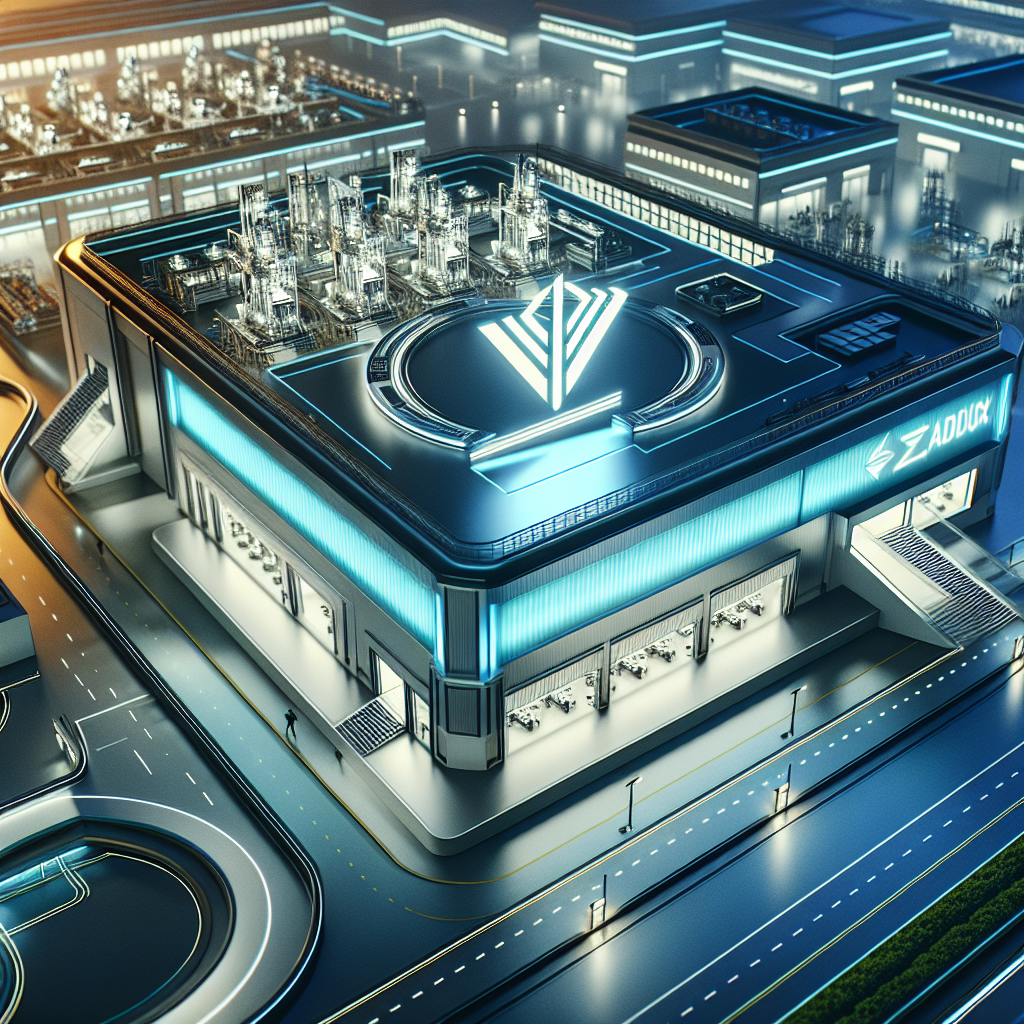
The Vision Behind Musk’s Chip Manufacturing Plans
In a recent announcement that has sent shockwaves through the tech industry, Elon Musk unveiled a groundbreaking initiative aimed at revolutionizing chip manufacturing for his two flagship companies: SpaceX and Tesla. This ambitious plan not only aims to enhance the efficiency of Tesla’s electric vehicles and SpaceX’s spacecraft but also positions Musk at the forefront of the semiconductor industry, a sector that has become increasingly critical in today’s technology-driven world.
Why Chips Matter
Chips, or semiconductors, are the backbone of modern technology. From smartphones to electric vehicles and space exploration, these tiny components power the devices and systems that define our lives. The global semiconductor shortage that began in 2020 highlighted the vulnerability of supply chains and the dependence on a few major manufacturers. By venturing into chip production, Musk is not only addressing these supply chain issues but also aiming to create tailor-made solutions for Tesla’s and SpaceX’s unique needs.
Ambitious Plans and Challenges
Musk’s plans for chip manufacturing come with a vision of creating specialized chips that could enhance the performance of Tesla’s Full Self-Driving (FSD) software and improve the efficiency of SpaceX’s navigation systems. However, as history has shown, Musk is known for his ambitious promises that sometimes fall short of expectations. Critics point out that while the vision is commendable, the execution may be fraught with challenges.
Potential Impacts on the Industry
If successful, Musk’s chip manufacturing initiative could disrupt the semiconductor industry, which is currently dominated by a few key players. By producing chips in-house, Tesla and SpaceX could reduce costs, improve performance, and maintain greater control over their technology. This move could set a precedent for other tech companies to follow suit, leading to a wave of self-sufficiency in chip manufacturing.
The Road Ahead: Insights and Predictions
Looking ahead, the success of Musk’s plans will depend on several factors, including technological innovation, investment in research and development, and navigating the complexities of chip production. If Tesla and SpaceX can manage to produce high-quality chips that meet their specifications, it could revolutionize both the automotive and aerospace industries.
Moreover, as companies worldwide grapple with the ongoing semiconductor shortage, Musk’s initiative could inspire a broader movement towards localized chip production, potentially reshaping global supply chains. However, it’s essential to remain cautious; Musk’s history of overpromising serves as a reminder that bold visions require careful planning and execution.
In conclusion, while Elon Musk’s chip manufacturing plans for SpaceX and Tesla are ambitious and filled with potential, their successful realization will determine whether this initiative will mark a significant shift in the tech landscape or simply become another chapter in Musk’s storied career of grand ambitions.