
Introduction: A Shocking Data Breach
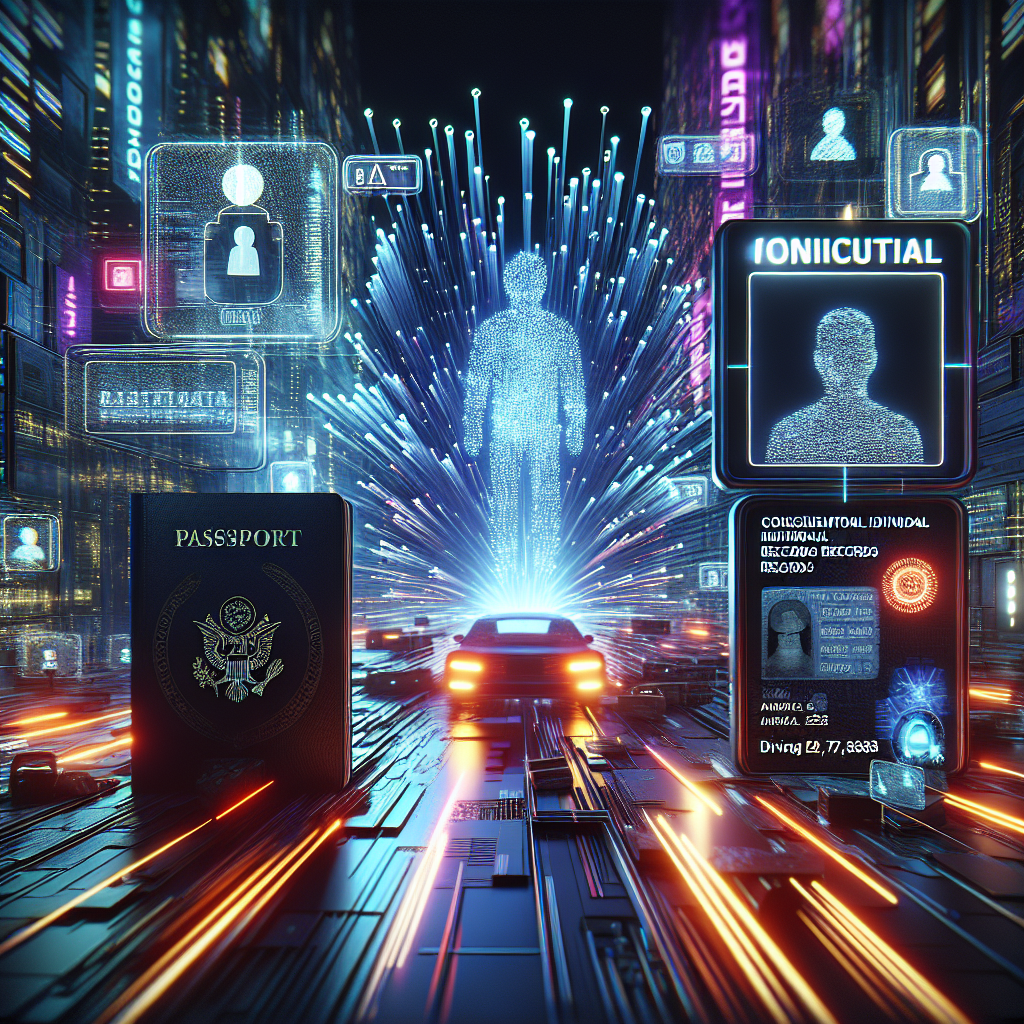
In a worrying revelation for users of the Duc money transfer app, an exposed Amazon-hosted server has led to the unauthorized access of thousands of sensitive documents, including driver’s licenses and passports. This breach has raised significant concerns not just for Duc’s customers, but for anyone who relies on digital platforms to manage their financial transactions.
The Breach: How It Happened
According to reports, the data exposure was due to a misconfigured server that allowed anyone with internet access to view sensitive customer information without any form of authentication. This catastrophic oversight has made it frighteningly easy for malicious actors to harvest personal identification documents, which could lead to identity theft, financial fraud, and a host of other criminal activities.
The Impact on Users
The implications of such a significant data breach are profound. Users who entrusted their sensitive information to Duc now face a heightened risk of identity theft. For many, driver’s licenses and passports are critical pieces of identification, and their exposure could lead to dire consequences. The financial and emotional toll of identity theft can be devastating, often requiring significant time and resources to resolve.
What Duc Is Doing About It
Following the discovery of the breach, Duc has stated that it is actively investigating the incident and has implemented additional security measures to safeguard user data. However, the damage may already be done. Trust is hard to rebuild, especially in the financial sector, where customers expect their information to be kept safe at all costs.
A Broader Problem: Data Security in Fintech
This incident highlights a growing trend in the fintech industry, where rapid technological advancements often outpace security protocols. Many fintech companies prioritize speed and innovation, sometimes at the expense of robust security measures. As consumers increasingly turn to digital solutions for money transfer and other financial services, the need for stringent security practices must remain at the forefront of their operations.
How to Protect Yourself
In light of this incident, it’s crucial for users to take proactive steps to protect their information:
- Monitor Your Accounts: Regularly check financial statements for unauthorized transactions.
- Change Passwords: Update passwords for affected accounts and consider using a password manager.
- Enable Two-Factor Authentication: Utilize two-factor authentication wherever possible for added security.
- Stay Informed: Keep up to date with news regarding data breaches to understand potential risks.
Future Predictions: What Lies Ahead for Fintech Security?
As we move deeper into the digital age, the importance of cybersecurity in fintech will only continue to grow. We can expect to see more stringent regulations and compliance requirements aimed at protecting consumer data. Technologies such as artificial intelligence and machine learning could play a pivotal role in enhancing security protocols, identifying vulnerabilities, and preventing data breaches before they occur.
Moreover, companies will need to prioritize transparency with their customers about how data is collected, stored, and protected. This incident with Duc serves as a stark reminder that in a world where data is currency, safeguarding that data must be a top priority.
Conclusion
The Duc data breach is not just a wake-up call for the company; it is a clarion call for the entire fintech industry. As consumers, we must remain vigilant, proactive, and informed about how our data is being used and protected. Only then can we begin to restore trust in the digital financial landscape.
🎮 Play Premium Cyberpunk Games!
Bored of reading? Check out DiveLayer Arcade for exclusive HTML5 browser games like Cyber Tactics, Data Miner, and more. No downloads required!