
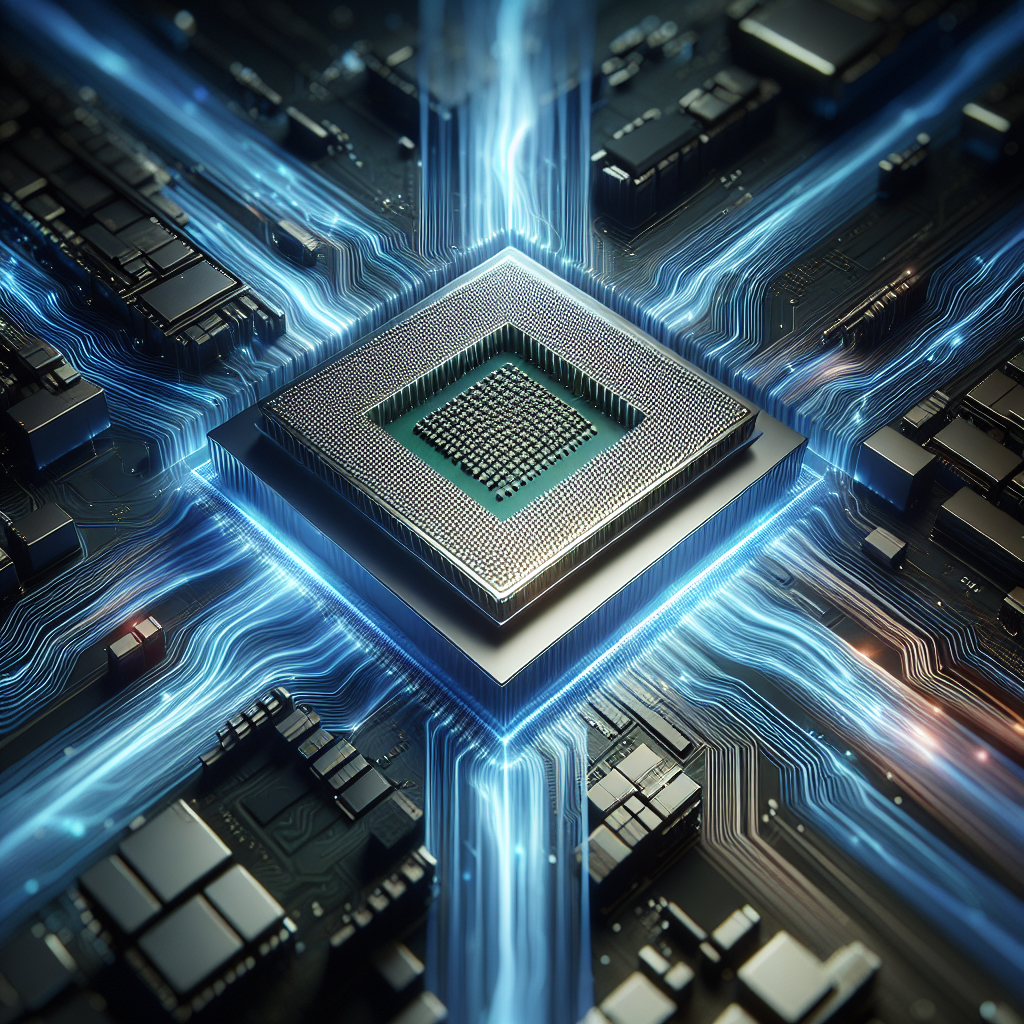
Introducing Arm’s First In-House CPU
In a groundbreaking move, Arm Holdings, the renowned semiconductor and software design company, has announced the launch of its first in-house CPU in its 35-year history. This significant milestone not only marks a pivotal moment for Arm but also reshapes the landscape of the tech industry. Developed in collaboration with Meta, the chip is set to be utilized by Meta as its inaugural customer, signaling the start of a new chapter in Arm’s journey.
The Rise of Arm: A Brief Background
Founded in 1990, Arm has been a cornerstone of mobile computing, providing the architecture that powers billions of devices worldwide. Known for its energy-efficient designs, Arm has allowed technology companies to innovate while minimizing power consumption. However, until now, Arm has primarily focused on licensing its designs to third-party manufacturers rather than producing its own chips.
Why This Move Matters
The decision to develop its own CPU signifies Arm’s ambition to take greater control over the design and manufacturing process. By creating its own chip, Arm can optimize performance, enhance energy efficiency, and tailor the technology to better meet the needs of its partners, like Meta. This strategic shift could potentially allow Arm to innovate faster and respond more effectively to market demands.
The Collaboration with Meta
Meta, formerly known as Facebook, has been at the forefront of technological advancements, particularly in artificial intelligence and virtual reality. By partnering with Arm, Meta aims to leverage the new CPU’s capabilities to enhance its applications and services. This collaboration could lead to groundbreaking developments in AI processing power and efficiency, impacting everything from social media to immersive virtual experiences.
Industry Implications and Future Predictions
The launch of Arm’s in-house CPU will likely have ripple effects throughout the semiconductor market. As the demand for custom silicon solutions grows, other tech giants may feel pressured to follow Arm’s lead. Companies like Apple, Google, and Microsoft have already begun investing in custom chips to optimize their hardware and software integration. Arm’s move could accelerate this trend, encouraging more companies to explore proprietary chip development.
- Enhanced Performance: The new CPU is expected to deliver higher performance levels tailored to specific applications, especially in AI and machine learning.
- Increased Customization: With the ability to design its own chips, Arm can better align its products with the evolving needs of its partners.
- Market Disruption: As more companies invest in custom silicon, a new competitive landscape could emerge, challenging traditional semiconductor manufacturers.
Conclusion: A Bright Future Ahead
Arm’s foray into chip production is not just a noteworthy achievement; it represents a significant shift in the tech industry. With the backing of Meta and the potential for innovative applications, this move could pave the way for a new era of computing. As we look ahead, it will be fascinating to see how this development influences the broader semiconductor market and what new technologies emerge from this collaboration. Will Arm continue to innovate at this pace? Only time will tell, but one thing is certain: the tech landscape is about to get even more exciting.