The Rise of AI in Literature: An Unsettling Trend
In a bold move that has shaken the literary world, Hachette Book Group announced it will not be publishing the horror novel ‘Shy Girl’ due to concerns surrounding the potential use of artificial intelligence in generating its text. This decision raises critical questions about the role of AI in creative writing and the implications it holds for authors, publishers, and readers alike.
Understanding the Backlash Against AI-Generated Content
The controversy surrounding ‘Shy Girl’ underscores a growing unease within the literary community about the authenticity and originality of content produced with the assistance of AI tools. Many authors fear that as AI technologies advance, they may inadvertently replace human creativity, making it difficult for genuine voices to be heard amidst a sea of algorithmically generated works.
- Loss of Authenticity: Readers expect a certain level of emotional depth and personal touch in literature that AI, no matter how sophisticated, cannot replicate.
- Ethical Concerns: The use of AI in writing raises questions about copyright and plagiarism, especially when AI systems are trained on existing literary works.
- Impact on Authors: Emerging writers may find it increasingly challenging to compete against AI-generated content, potentially diminishing the value of human authorship.
The Implications for the Future of Publishing
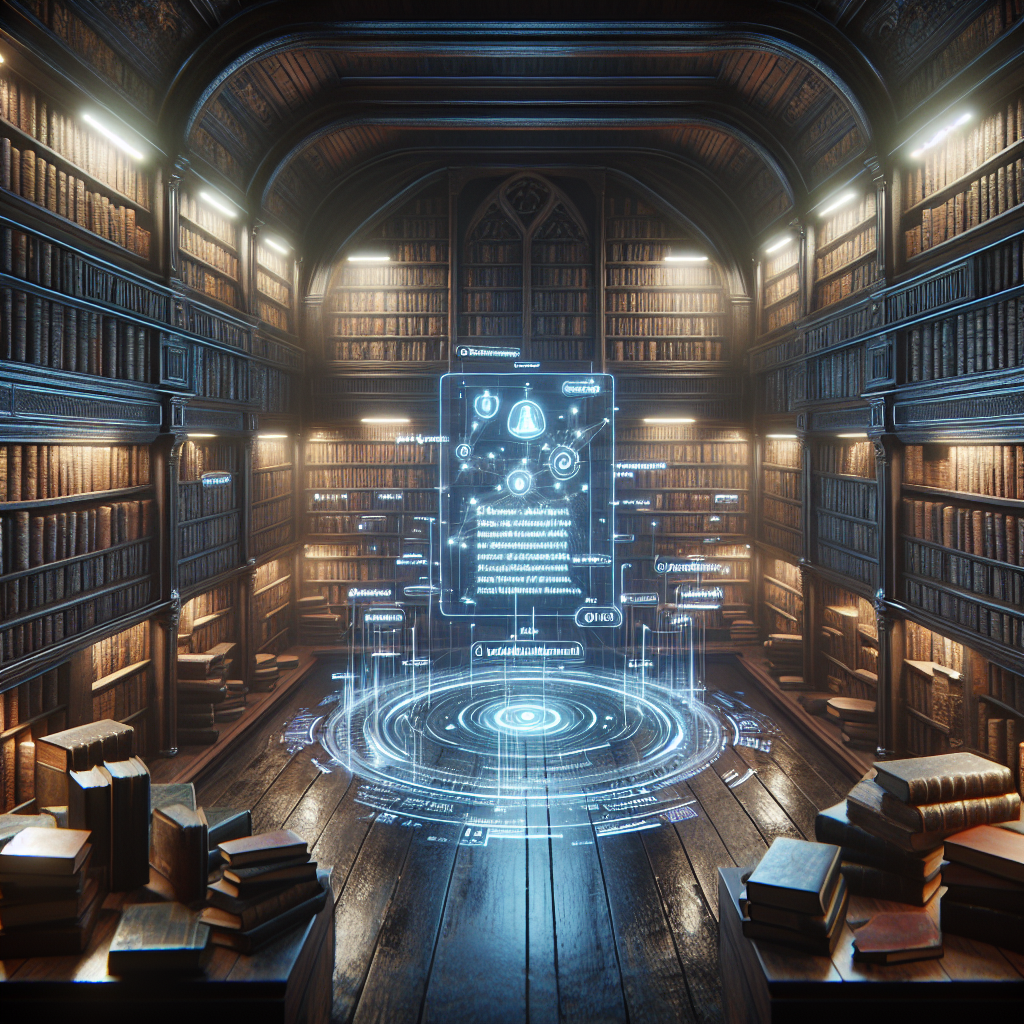
The decision by Hachette to pull ‘Shy Girl’ is indicative of a larger trend within the publishing industry, as companies grapple with how to navigate the complexities of AI involvement in literature. While AI can be a valuable tool for editing, brainstorming, and even drafting, the line between assistance and authorship is becoming increasingly blurred.
Moreover, this incident could set a precedent for how publishers assess manuscripts moving forward. Will they implement stricter guidelines to ensure originality? Or will they embrace AI as a collaborative partner in the creative process, establishing a new norm where the human touch and AI capabilities coexist?
The Reader’s Perspective: What Do You Think?
For readers, the implications are profound. As consumers of literature, we often seek connections with authors and the stories they tell. The fear is that if AI-generated content becomes commonplace, the emotional resonance we associate with literature could be diluted.
In the age of technology, we must ask ourselves: how much of our creative landscape are we willing to sacrifice for efficiency and convenience? The decision to withdraw ‘Shy Girl’ serves as a reminder that while innovation is essential, preserving the essence of storytelling must remain at the forefront.
Final Thoughts: A Cautious Approach to AI in Literature
As we look to the future, it is crucial for both publishers and authors to approach AI with caution. While the technology offers exciting possibilities for enhancing the writing process, it should not come at the expense of authenticity and emotional connection. The literary world must strive to find a balance, ensuring that the heart of storytelling remains human, even as we embrace the advancements of artificial intelligence.
What do you think about the use of AI in literature? Are you concerned about its impact on creativity, or do you see it as a valuable tool for authors? Let’s continue the conversation as we navigate this uncharted territory together.