
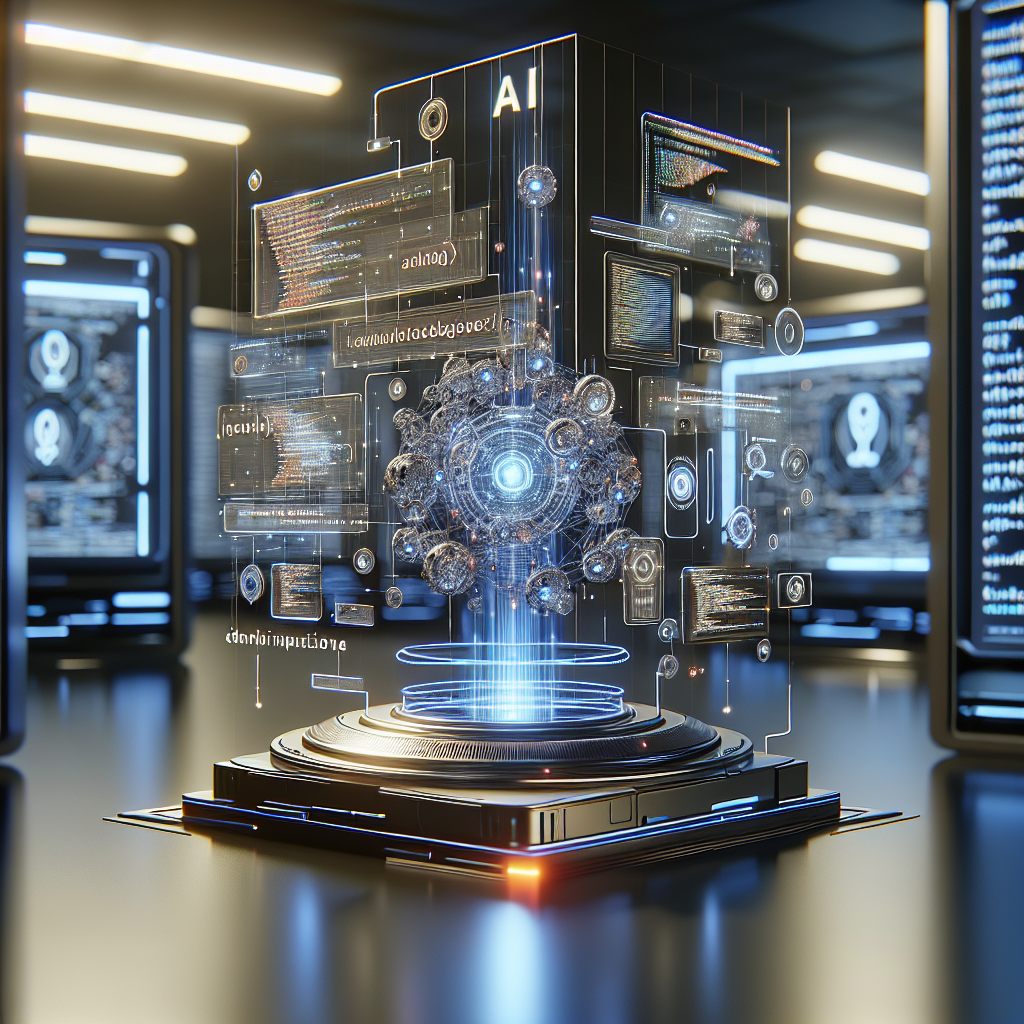
Cracking Open Gemini: More Than Just an AI Tool
In the dynamic realm of AI engineering, Google’s unveiling of the Gemini Enterprise Agent Platform is not just another release; it’s a strategic maneuver that could redefine enterprise AI landscapes. Yet, to call it a ‘monumental leap’ belies its nuanced evolution. Built on the robust foundations of Google Cloud, Gemini isn’t just a tool—it’s a shift in the way enterprises can think about integrating AI into their operations.
Mastering Complexity: The Architecture that Stands Out
Gemini’s architecture isn’t your typical off-the-shelf solution. Anchored in a microservices ethos, it leverages Kubernetes for seamless container orchestration and harnesses TensorFlow for its machine learning prowess. But let’s delve deeper—its true strength lies in its adaptability. By embedding this flexibility, Gemini becomes a canvas for IT professionals aiming to push the boundaries of what’s possible, unshackled by traditional constraints.
Beyond the Surface: Integration That Actually Works
Integration is where Gemini truly distinguishes itself. With finely tuned APIs, fortified by OAuth2 for secure, seamless data exchanges, Gemini bridges the gap between legacy systems and cutting-edge technology. This isn’t just about minimizing operational disruptions; it’s about creating a platform where innovation can thrive without the usual integration bottlenecks.
Security and Compliance: More Than Buzzwords
In today’s digital age, the importance of security and compliance cannot be overstated. Gemini embeds AES-256 encryption at its core, alongside a compliance toolkit designed to meet stringent regulations like GDPR and CCPA. This isn’t just a regulatory checkbox; it’s a demonstration of Google’s commitment to secure, compliant AI solutions that stand up to scrutiny.
The Competitive Edge: Navigating the AI Platform Battleground
In a crowded AI platform market, Gemini differentiates itself with its streamlined focus on developing and managing AI agents. While other platforms like Azure AI and AWS AI offer broad and customizable solutions, Gemini’s prowess lies in its seamless integration and robust AI agent-building support. This distinctive focus positions Gemini as a formidable player tailored for intricate enterprise needs.
OHA’s Unfiltered Truth: Engineering Excellence and Imperfection
As someone steeped in the world of AI for over two decades, let me tell you—there’s more to Gemini than meets the eye. It’s not merely a technical marvel but a testament to the dual nature of modern engineering. The allure of pushing technological boundaries must be balanced with the reality of sleepless nights and coding marathons. In its pursuit of innovation, Gemini reminds us that while we’re engineering the future, we must not forget the present. The tug-of-war between the allure of new tech and the comfort of the familiar is a dance we must all master. Gemini isn’t just a tool—it’s a reminder of the challenges and triumphs of engineering today.
A Closer Look: My Hands-On Experience with Gemini
Embarking on a journey with the Gemini Enterprise Agent Platform was a revelation. The interface, intuitive yet powerful, coupled with comprehensive documentation, made setting up a basic AI agent a surprisingly smooth ride. However, to truly grasp its capacity, one must delve into the nitty-gritty of enterprise-level deployment. Here’s a realistic code snippet that aligns much closer to what you might encounter:
from google.cloud import ai_platform

agent = ai_platform.AIAgent(config={
    "project_id": "my-enterprise-project",
    "agent_name": "customer-support-agent",
    "language_code": "en-US"
})

# Simulated response handler
def handle_request(request):
    if request.intent == "greet":
        return "Hello! How can I assist you today?"
    elif request.intent == "farewell":
        return "Goodbye! Have a great day!"
    else:
        return "Sorry, I did not understand that."

agent.deploy(handle_request)
This snippet hints at the integration and deployment challenges often encountered—authenticating, configuring environments, and ensuring seamless updates, aligning with the latest DevOps practices.
// OHA’s Mutter
There’s something about watching late-night sports that just throws off the sleep schedule. It’s the excitement of those final plays, the adrenaline rush that keeps you up, and before you know it, it’s 3 AM. But hey, sometimes those games are worth the sleepy mornings and the extra coffee. Balancing work, personal interests, and sleep—sounds just like engineering, doesn’t it?