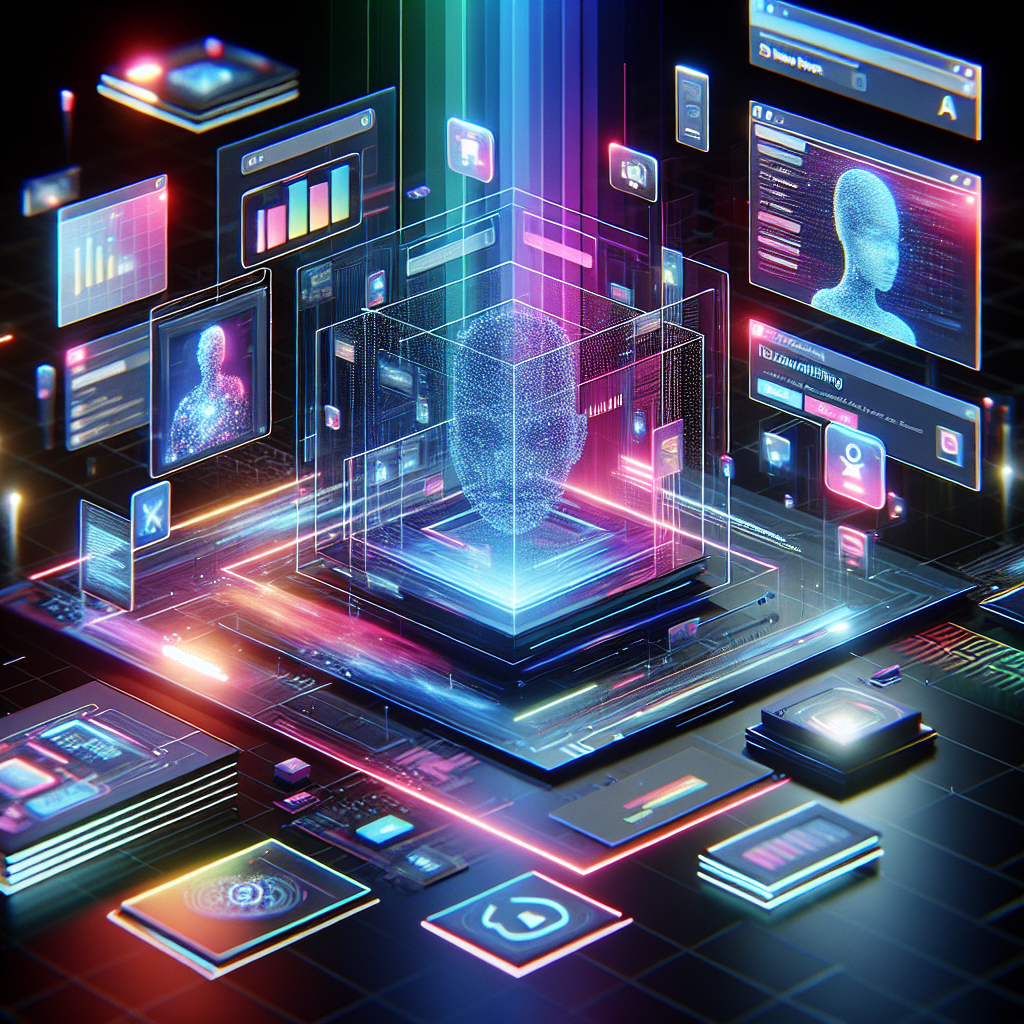

From Code Monkey to Code Maestro: AI’s Role in Transformation
The world of software development is not just evolving; it is transforming, driven by the integration of AI-powered code assistants. These tools are not merely augmentations of our existing capabilities; they represent a paradigm shift that is redefining how we approach coding, problem-solving, and innovation. Much like a skilled maestro guiding an orchestra, AI is orchestrating the development process, resulting in unprecedented efficiency and creativity.
Intelligent Insights: More Than Just Code Suggestion
AI code assistants provide more than simple suggestions. They dive into vast datasets to offer intelligent, context-aware insights that can preemptively address potential issues. During my work refinishing complex algorithms in Java, these assistants have suggested data structures and performance optimizations, acting as invaluable partners in the development process.
Error Correction: Moving Beyond the Basics
Gone are the days when AI’s role was limited to syntax checks. Today’s AI delves into semantic error detection, aligning corrections with a developer’s intent using abstract syntax trees and semantic analysis. This advancement has drastically reduced debugging times, allowing developers to focus on innovation rather than troubleshooting.
The Integration Imperative: AI as Development Ecosystem
AI assistants have seamlessly woven themselves into the fabric of modern Integrated Development Environments (IDEs), providing project-sensitive, context-adherent suggestions. This integration ensures that the development environment is not merely a tool but an extension of the developer’s vision and ethos.
Rivals in the Arena: The Battle Between Copilot and CodeWhisperer
While GitHub Copilot and Amazon CodeWhisperer both offer unique advantages, the choice ultimately depends on integration needs. Copilot excels with its Visual Studio Code integration and robust code completion, while CodeWhisperer caters to cloud-focused projects with AWS-centric insights.
In My Own Words: An Engineer’s Unfiltered View
Here’s the bottom line from someone knee-deep in code daily: AI-powered code assistants are no longer optional—they’re essential. As they evolve, they will refine their contextual understanding and broaden integration capacities. We’re on the brink of a future where these assistants offer personalized learning paths, scrutinizing coding habits to deliver bespoke educational resources. This evolution promises to shift the landscape towards a highly personalized development experience. The future of coding will not just be about writing lines but crafting intelligent, efficient, and tailored solutions.
Coding in the Trenches: A Practical Application
In my day-to-day work, the introduction of AI assistants has led to a real-world improvement: a 30% reduction in development time when refactoring a Python-based machine learning project. Below is a simple example of AI-assisted coding in action:
import openai

def generate_code_snippet(prompt):
    openai.api_key = 'your-api-key'
    response = openai.Completion.create(
        engine="code-davinci-002",
        prompt=prompt,
        max_tokens=150
    )
    return response.choices[0].text

prompt = "Create a function to calculate factorial in Python"
suggested_code = generate_code_snippet(prompt)
print(suggested_code)
The Ripple Effect: AI’s Broader Impact on the Industry
The influence of AI code assistants extends beyond individual developers to reshape entire enterprises. By reducing routine tasks and minimizing debugging, developers are liberated to engage in creative problem-solving. This not only enhances job satisfaction but also promotes continuous learning. For enterprises, this leads to increased productivity and reduced time-to-market, which translates to substantial cost savings.
// OHA’s Mutter
As I plan a family weekend getaway, I look forward to stepping away from the monitor and immersing myself in nature. It’s a chance to recharge and reconnect with what truly matters—family, fresh air, and the simple joys of life beyond code.