
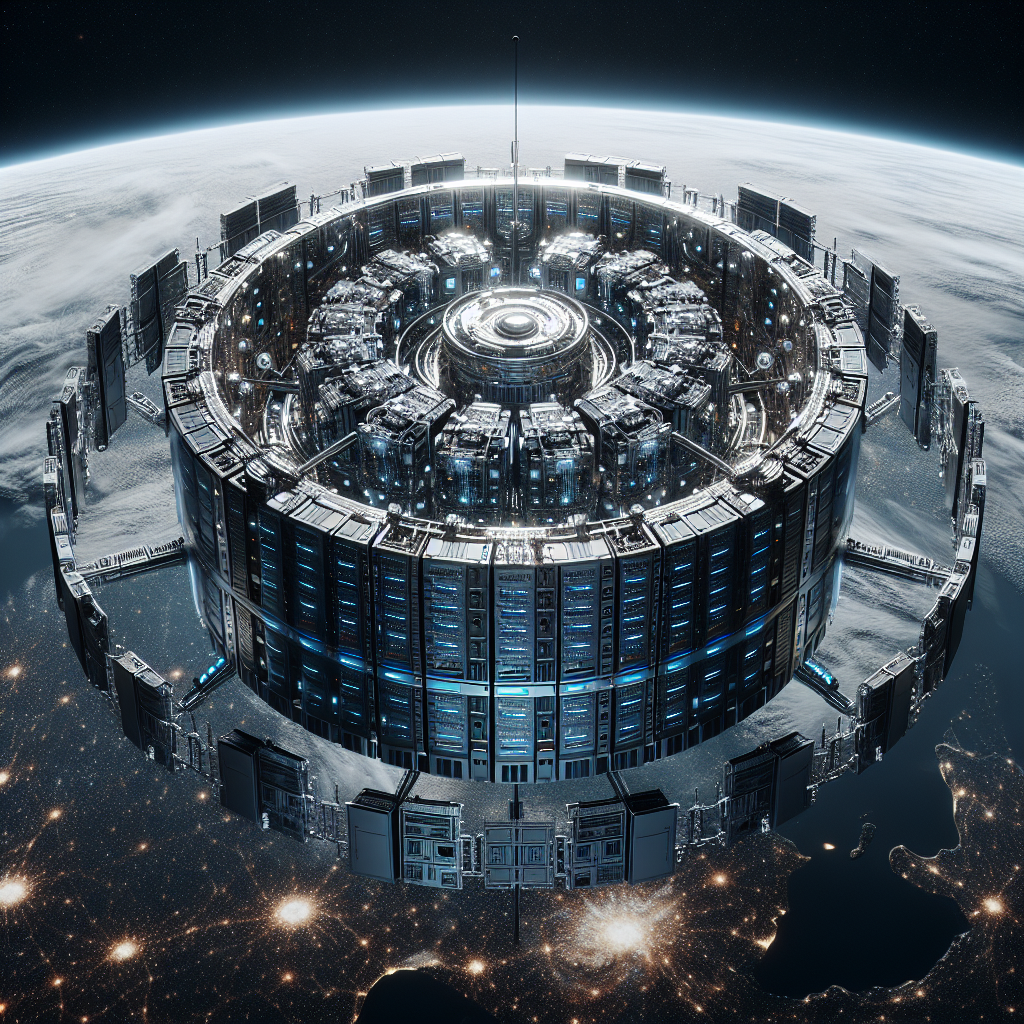
The Rise of Orbital Data Centers
As we stand on the brink of a new era in technology, one company is poised to take data storage and processing to a whole new dimension—literally. SpaceX, under the visionary leadership of Elon Musk, is exploring the potential of orbital data centers. This audacious idea has sparked discussions in tech circles, especially on the latest episode of TechCrunch’s Equity podcast, where experts debated whether this venture could justify SpaceX’s already staggering valuation.
Understanding the Concept
Orbital data centers are essentially server farms located in space, designed to leverage the vast expanse of the cosmos for data storage and processing. Unlike traditional data centers, which face challenges such as power consumption, cooling issues, and latency, data centers in orbit could theoretically operate in a vacuum, with abundant solar energy at their disposal.
Why Space?
The benefits of placing data centers in space are multifaceted:
- Energy Efficiency: Solar power could provide a nearly limitless energy source, reducing reliance on terrestrial power grids.
- Latency Reduction: Proximity to satellite networks could drastically cut down on latency for data transmission.
- Global Accessibility: Orbital data centers could provide services to remote areas where traditional internet infrastructure is lacking.
- Enhanced Security: Data stored in space could be less susceptible to physical attacks or natural disasters.
The Valuation Debate
Elon Musk’s ambitious plans for SpaceX have already led to impressive valuations. However, the question remains: can the concept of orbital data centers significantly boost this valuation? The answer isn’t straightforward. While the theoretical benefits are compelling, the practical challenges are monumental. Building and maintaining such infrastructure in space involves significant costs, not to mention the technical hurdles.
Potential Challenges
There are several obstacles that SpaceX must overcome:
- Cost of Launch: Sending hardware to space is expensive, and the initial investment could be staggering.
- Technological Feasibility: Developing technology capable of sustaining operations in harsh space environments is a daunting task.
- Regulatory Hurdles: Space is governed by a complex web of international laws and agreements that could complicate operations.
Expert Opinions
On the TechCrunch podcast, various experts weighed in on the feasibility and potential impact of this venture. Some view it as a game-changer that could redefine how we store and process data, while others are skeptical, pointing out the need for significant advancements in technology and infrastructure before such a dream can become a reality.
Future Predictions
While it may be too early to determine whether orbital data centers can significantly enhance SpaceX’s valuation, one thing is certain: the conversation around this topic will continue to grow. As technology advances, the possibility of utilizing space for practical applications becomes increasingly plausible. If SpaceX can navigate the challenges ahead, it may not only justify a massive valuation but also pave the way for a new frontier in data management.
In conclusion, the vision of orbital data centers is both thrilling and daunting. As we look to the future, one can only speculate how this ambitious project may unfold, but it certainly has the potential to reshape our understanding of data storage and accessibility in the years to come.