
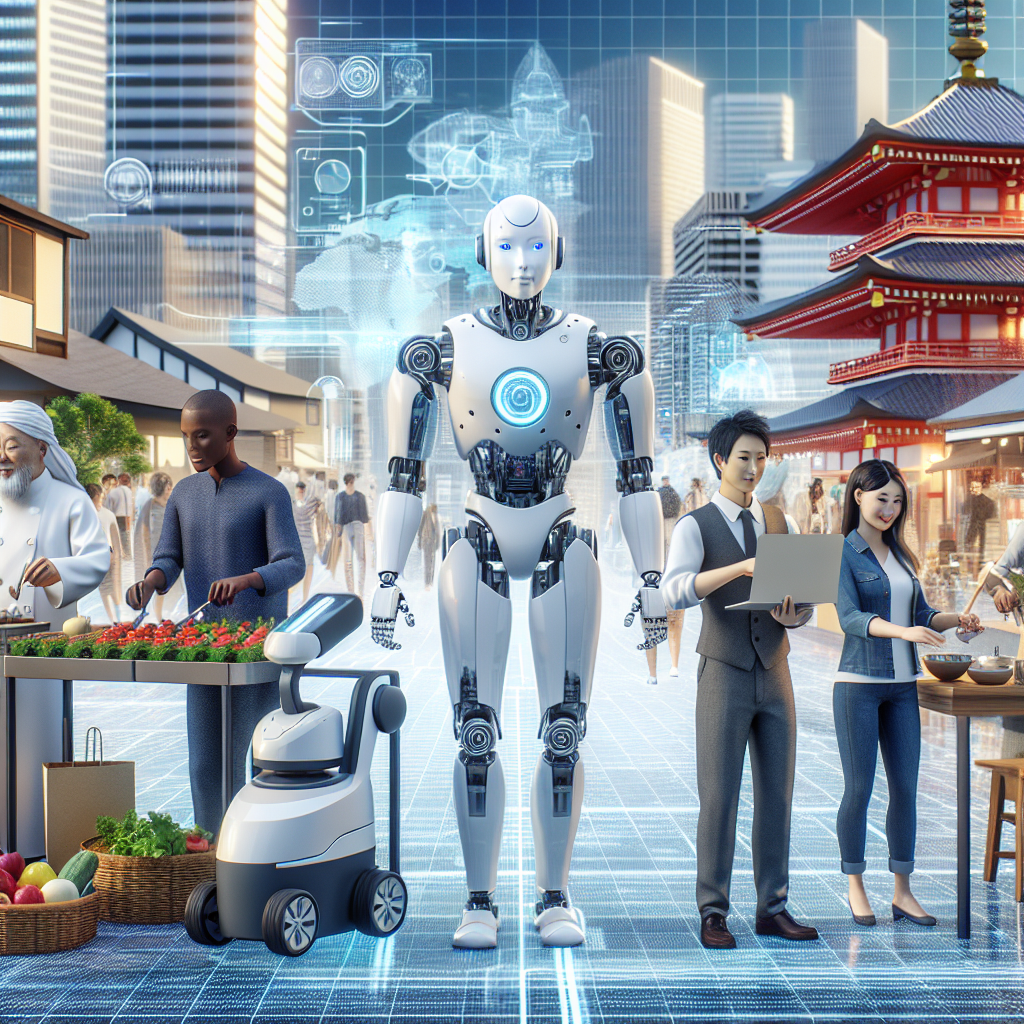
The Rise of AI Robots in Japan’s Workforce
In a world where technological advancements often spark fears of job displacement, Japan is flipping the narrative. Instead of robots taking over jobs, they are stepping in to fill roles that human workers are increasingly unwilling to take. As labor shortages become a pressing issue in various sectors, Japan is leading the way in deploying physical AI technology to tackle this challenge.
Understanding Japan’s Labor Crisis
Japan’s demographic landscape presents a unique challenge. With a declining birthrate and an aging population, the country faces a significant workforce shortage. Many industries, particularly in agriculture, hospitality, and elder care, are struggling to find willing workers. This shortage has prompted the Japanese government and businesses to explore innovative solutions, with robotics at the forefront.
AI Robots: Filling the Gaps, Not Replacing Workers
According to a recent article from TechCrunch, Japan is transitioning from pilot projects to real-world deployment of physical AI robots. These robots are not designed to replace human workers but to take on roles that are less desirable or too demanding for many. For instance, in the agriculture sector, robots are being used for tasks such as planting and harvesting, which are labor-intensive and often unattractive to younger generations.
The Benefits of Embracing AI Technology
The deployment of AI robots brings several advantages:
- Increased Efficiency: Robots can operate longer hours without fatigue, ensuring productivity remains high.
- Addressing Labor Shortages: By taking over less desirable tasks, robots allow human workers to focus on more skilled and rewarding jobs.
- Enhancing Safety: Robots can perform dangerous tasks, reducing the risk of injury for human workers.
Japan’s Experimentation with Physical AI
Japan’s approach to AI is characterized by experimentation and adaptability. Companies are not just investing in traditional robotics but also exploring AI systems that can learn and adapt to their environments. This flexibility is crucial in a world where the needs of the workforce are constantly changing.
For example, in the hospitality sector, robots are being integrated into hotels to assist with check-ins, cleaning, and even providing concierge services. These advancements not only improve customer service but also alleviate the burden on human staff, allowing them to focus on more complex interactions.
Future Predictions: A New Era of Work
Looking ahead, the trend of integrating AI into the workforce is likely to expand beyond Japan. As other countries face similar labor shortages, we can expect to see a greater acceptance of robots in various industries. However, it’s essential to strike a balance between automation and human employment. Future developments should focus on collaboration between humans and machines, creating a symbiotic relationship where both can thrive.
In conclusion, Japan is setting a powerful precedent for the future of work. By embracing AI as a means to fill labor gaps rather than replace human jobs, the country is not only addressing immediate challenges but also paving the way for a more innovative and inclusive workforce. As we move forward, the key will be to harness the potential of AI while ensuring that human workers remain at the heart of the economy.