
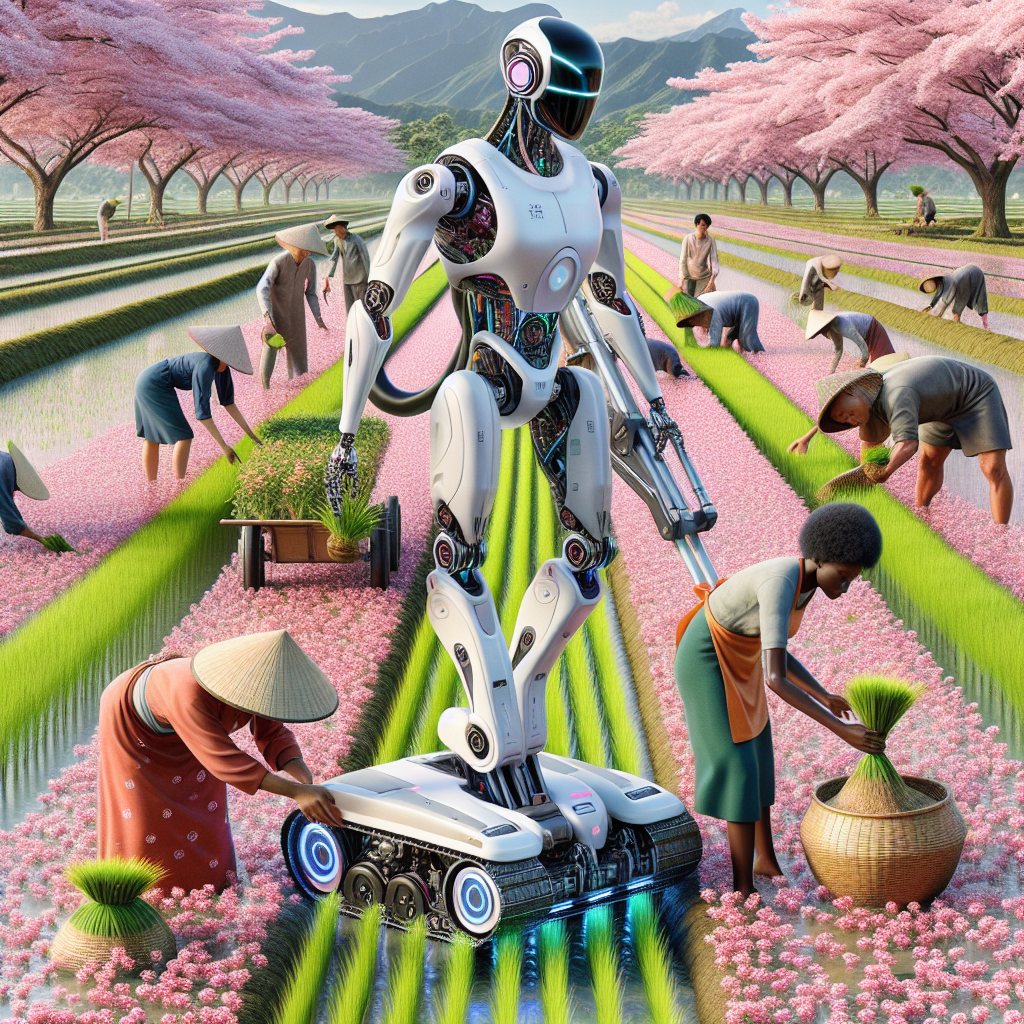
The Rise of Robots in Japan: A Response to Labor Shortages
As we stand at the crossroads of technology and workforce dynamics, Japan serves as a fascinating case study in how nations can adapt to labor shortages. With an aging population and declining birth rates, the demand for workers in various sectors has far outstripped supply. In response, Japan is not just turning to automation; it is embracing it in a way that enhances the workforce rather than displaces it.
The Role of Physical AI in Japan’s Workforce
While many countries view robots as a threat to jobs, Japan is flipping that narrative on its head. The country is deploying physical AI technologies to take on roles that are often overlooked or deemed undesirable by human workers. These include tasks in industries like agriculture, hospitality, and elder care, where the physical demands and low pay deter many from applying.
For instance, in the agricultural sector, robots are being used for tasks such as planting, harvesting, and monitoring crops. This not only helps alleviate the labor shortage but also enables farmers to increase productivity and efficiency. Similarly, in the hospitality industry, robots are stepping in to assist in cleaning and food service, allowing human workers to focus on higher-level customer interactions.
Real-World Deployment: From Pilot Projects to Everyday Use
Japan is moving beyond pilot projects and demonstrating that physical AI can be integrated into daily operations. The government has initiated programs to encourage businesses to adopt these technologies, providing financial incentives and support for innovation. This proactive approach is not just about filling vacancies; it’s about rethinking how work is done.
- Enhanced Efficiency: Robots can work around the clock, improving productivity in sectors that have struggled with labor shortages.
- Quality of Life: By taking on physically demanding jobs, robots allow human workers to engage in more fulfilling roles that require creativity and emotional intelligence.
- Economic Growth: As industries become more efficient, the overall economy benefits, creating new job opportunities and boosting innovation.
Global Implications: A Model for Other Nations?
Japan’s strategy may serve as a blueprint for other countries grappling with similar labor issues. As we witness the impact of automation on global job markets, Japan’s approach showcases the potential for technology to complement human labor rather than replace it. Instead of fearing robots, nations might consider how to integrate them into their economies in a way that enhances productivity and worker satisfaction.
Looking Ahead: The Future of Work in a Robotic Age
As Japan continues to lead the way in the deployment of physical AI, it raises important questions about the future of work. Will we see a world where humans and robots collaborate seamlessly, each taking on roles that suit their strengths? Or will the balance tilt too far in favor of automation, leading to job losses? It is crucial for policymakers, businesses, and society at large to engage in these discussions now, ensuring that technological advancements serve to uplift rather than undermine the workforce.
In conclusion, Japan’s pioneering use of robots to fill labor gaps presents a hopeful narrative in the discourse surrounding automation. By focusing on roles that humans are reluctant to fill, Japan is not only addressing immediate workforce challenges but also setting the stage for a future where technology and humanity work hand in hand.
🎮 Play Premium Cyberpunk Games!
Bored of reading? Check out DiveLayer Arcade for exclusive HTML5 browser games like Cyber Tactics, Data Miner, and more. No downloads required!