
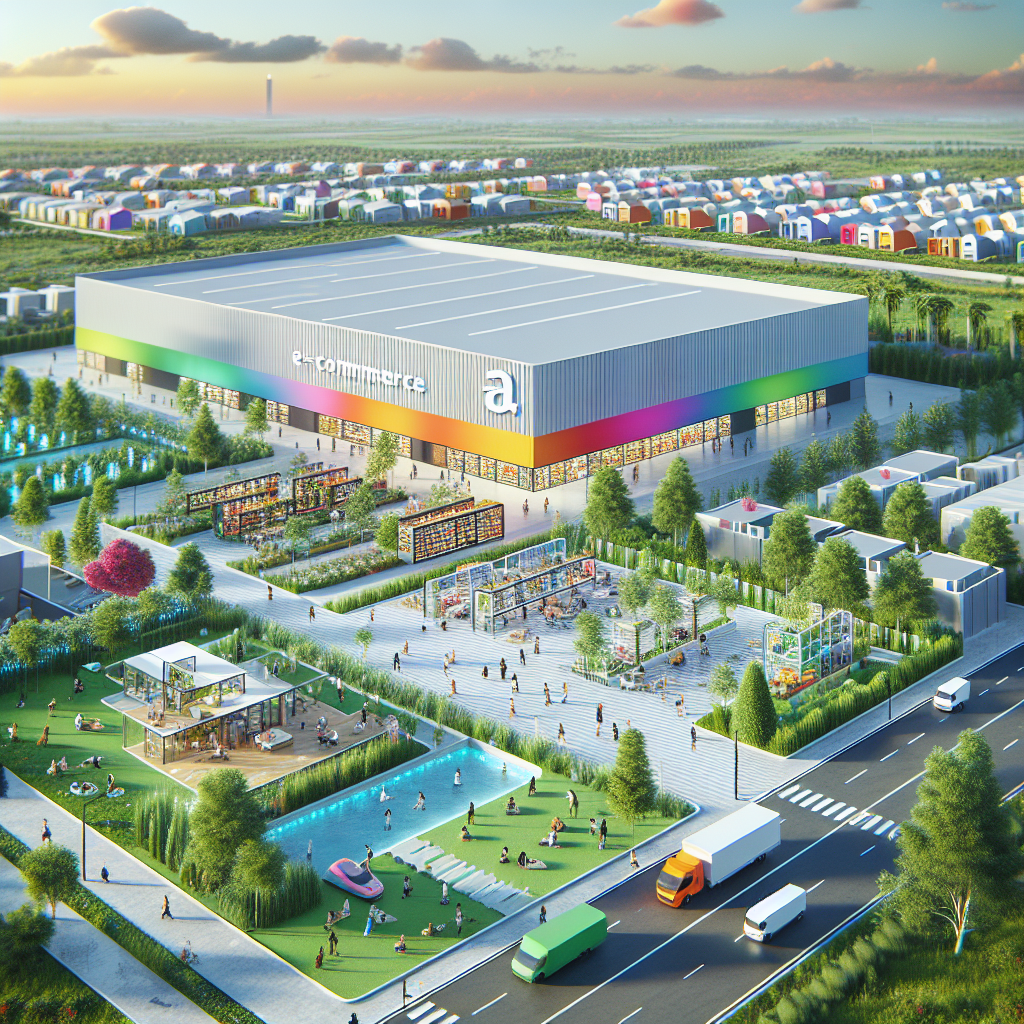
The Growing Debate: Amazon Warehouses vs. Data Centers
In an era where technology continues to shape our daily lives, the infrastructure that supports this digital revolution has become a hot topic of discussion. A recent poll has revealed a surprising preference among residents: many would rather have an Amazon warehouse in their backyard than a data center. This finding raises important questions about public perception, privacy, and the future of urban planning.
Understanding the Poll Results
The poll, which surveyed various demographics across multiple regions, indicated a clear trend. More people expressed comfort with the idea of an Amazon warehouse, a tangible presence associated with job creation and community engagement, over the often invisible and data-driven nature of data centers. This sentiment highlights a crucial aspect of modern society: the need for physical connection and economic impact.
Why Choose Warehouses Over Data Centers?
- Job Creation: Amazon warehouses are known for providing numerous job opportunities. Communities often see an influx of employment as these facilities are built, leading to a direct economic benefit.
- Tangible Goods: Warehouses deal with physical products that people can relate to. In contrast, data centers operate behind the scenes, managing data that most people do not directly understand or see.
- Community Engagement: Local Amazon facilities often engage in community outreach, supporting local initiatives and creating a sense of belonging. Data centers, on the other hand, may not foster the same community connection.
- Environmental Concerns: While both warehouses and data centers have environmental impacts, the visibility of Amazon’s sustainability efforts can make them more acceptable. Data centers, with their high energy consumption, often face criticism without clear accountability.
Public Perception: A Double-Edged Sword
Public opinion is a powerful driver in the decision-making processes of city planners and corporations. The preference for warehouses over data centers suggests a shift in how communities view technological infrastructure. While data centers are essential for the ongoing digital transformation, the lack of physical presence and community engagement can lead to resistance.
Future Predictions: The Evolving Landscape
As technology continues to advance, we can expect the debate between data centers and warehouses to evolve. Companies may need to adapt their strategies to align with public sentiment. Instead of shying away from community involvement, tech giants might find it beneficial to invest in local projects, transparency, and initiatives that promote sustainability.
Moreover, as the demand for cloud services and data management increases, there may be a growing call for innovative data center designs that are more community-friendly. This could include solar-powered facilities, green spaces, and more transparent operations that ease public concerns.
Conclusion: The Path Forward
The results of this poll serve as a wake-up call for tech companies and city planners. Understanding community sentiment is crucial in shaping the future of infrastructure. As we embrace the digital age, balancing technological needs with community values will be vital. The preference for Amazon warehouses over data centers may reflect a deeper desire for connection, transparency, and economic benefit that must not be ignored.
As we move forward, it will be interesting to observe how this dynamic plays out and what compromises will be made to ensure that both technological advancement and community welfare coexist harmoniously.