
The Shifting Landscape of Tesla’s Workforce
In 2025, Tesla made headlines as reports revealed a staggering 22% reduction in its Texas factory workforce, shrinking from 21,191 employees to 16,506. This significant decline is striking, especially considering it marks the company’s second consecutive year of declining sales. As a global leader in electric vehicles, Tesla’s operational adjustments resonate throughout the automotive and tech industries, raising questions about the future of work in this sector.
Understanding the Decline
The reduction in Tesla’s workforce is alarming but not entirely unexpected. Over the past few years, the electric vehicle market has experienced a rollercoaster of demand fluctuations. Factors such as increased competition from traditional car manufacturers venturing into electric vehicles, supply chain disruptions, and changing consumer preferences all contribute to Tesla’s recent sales challenges.
- Intensified Competition: With established car manufacturers like Ford, General Motors, and new entrants like Rivian and Lucid Motors ramping up their electric vehicle offerings, Tesla faces unprecedented competition.
- Supply Chain Challenges: The global chip shortage and other supply chain issues have hampered production capacity, directly impacting sales.
- Consumer Behavior Changes: As the market evolves, consumer expectations regarding price, features, and sustainability are also shifting.
The Implications of Workforce Reduction
The reduction in workforce raises several critical implications for Tesla and the broader electric vehicle industry. Firstly, it may reflect on the company’s operational efficiency strategies. By reducing headcount, Tesla may be aiming to streamline processes and cut costs, especially in a challenging economic environment.
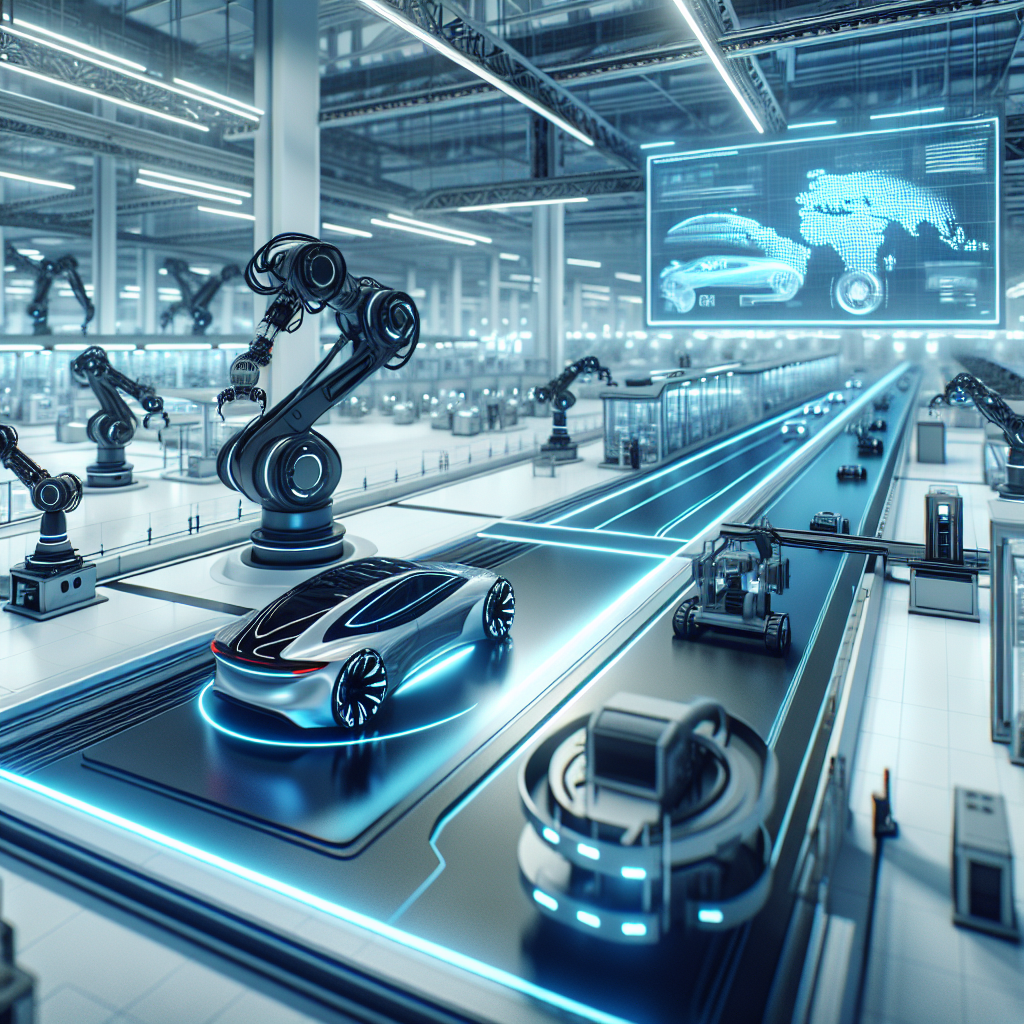
However, this downsizing is not just about numbers. It indicates a potential shift in Tesla’s production strategies. The company has heavily invested in automation and AI technologies over the years. A leaner workforce could suggest a pivot toward more automated manufacturing processes, allowing Tesla to maintain production levels even with fewer employees.
Future Predictions: What Lies Ahead?
Looking ahead, the future of Tesla’s workforce and overall market positioning will depend on several factors. Here’s what we can anticipate:
- Innovation in Automation: As Tesla continues to innovate, we might see an increased reliance on automated systems, possibly leading to further workforce reductions in the future.
- Adaptation to Market Trends: Tesla will need to adapt its strategies to meet evolving consumer demands and preferences. This might include diversifying its product range, enhancing customer service, or even entering new markets.
- Strategic Investments: The company may look to invest strategically in technology and partnerships that enhance production efficiency and product offerings.
In conclusion, Tesla’s 22% workforce reduction at its Texas factory is a significant development that underscores the challenges facing the electric vehicle industry. As the landscape evolves, Tesla’s ability to innovate and adapt will be crucial in maintaining its leadership position. For global readers, this situation serves as a reminder that the future of work is changing rapidly, influenced by technology, market demands, and corporate strategies. Keeping an eye on these trends will be essential for anyone invested in the future of transportation and technology.
🎮 Play Premium Cyberpunk Games!
Bored of reading? Check out DiveLayer Arcade for exclusive HTML5 browser games like Cyber Tactics, Data Miner, and more. No downloads required!