
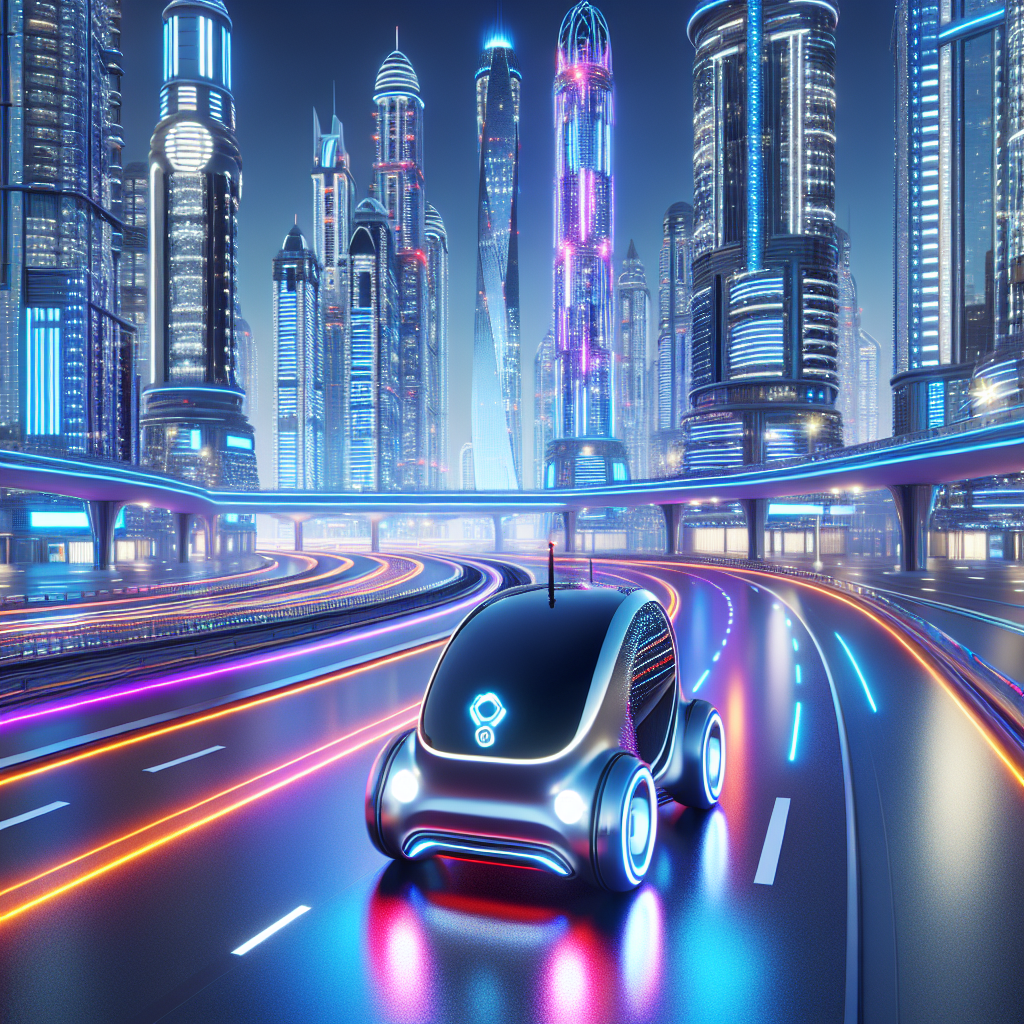
Revolutionizing Transportation: Uber and WeRide Join Forces
In a groundbreaking move that underscores the rapid evolution of autonomous technology, Uber has significantly increased its stake in WeRide, a leading player in the robotaxi sector. This strategic partnership is set against the vibrant backdrop of Dubai, a city already recognized for its innovation and forward-thinking approach. With the launch of robotaxi operations that operate without human safety operators, Uber and WeRide are poised to redefine urban mobility in the Middle East.
The Rise of Robotaxis in Dubai
Dubai has long been a testing ground for cutting-edge technology, from smart city initiatives to drone deliveries. The introduction of robotaxis is a logical extension of this trend. Unlike traditional taxis, these autonomous vehicles are designed to navigate complex urban environments, offering a seamless transportation solution that promises to enhance the efficiency of travel while reducing congestion.
As part of the broader expansion strategy in the Middle East, Uber’s collaboration with WeRide exemplifies the growing importance of autonomous vehicles. The robotaxi service is not merely a novelty; it’s a response to increasing demand for convenient, affordable, and safe transportation options in densely populated urban areas.
Why This Partnership Matters
- Technological Advancements: The partnership leverages cutting-edge AI and machine learning technologies to ensure safety and efficiency, setting a new standard for autonomous travel.
- Market Expansion: By increasing its investment in WeRide, Uber is making a bold statement about its commitment to the Middle Eastern market, which is ripe for innovation.
- Consumer Convenience: With the launch of these robotaxis, users can expect a hassle-free travel experience, allowing them to book rides via the Uber app without the need for a human driver.
A Glimpse into the Future of Urban Mobility
The implications of Uber’s partnership with WeRide extend beyond just improved transportation options. As cities around the world grapple with traffic congestion and environmental challenges, autonomous vehicles represent a potential solution to these pressing issues. With the successful rollout of robotaxis in Dubai, we may see similar initiatives gain traction in other metropolitan areas, paving the way for a new era of urban mobility.
Moreover, this initiative aligns with global sustainability goals. By reducing the reliance on conventional vehicles, robotaxis could contribute to lowering carbon emissions and promoting cleaner air in urban environments. This is particularly significant in a region like the Middle East, where air quality is a growing concern.
Looking Ahead: The Future of Robotaxis
As we look to the future, it’s clear that Uber and WeRide are not just pioneering a new way to travel; they are setting the stage for a transformation in how we perceive mobility. The success of this initiative in Dubai could lead to expanded services in other parts of the world, as cities warm up to the idea of autonomous vehicles.
In conclusion, the partnership between Uber and WeRide marks a pivotal moment in the evolution of urban transport. With the potential to reshape how we navigate our cities, it will be fascinating to observe how the public responds to this new mode of transportation. Will robotaxis become a staple in our daily lives? Only time will tell, but one thing is certain: the future of transportation is here, and it’s autonomous.
🎮 Play Premium Cyberpunk Games!
Bored of reading? Check out DiveLayer Arcade for exclusive HTML5 browser games like Cyber Tactics, Data Miner, and more. No downloads required!