
Introduction to Waymo’s Robotaxi Revolution
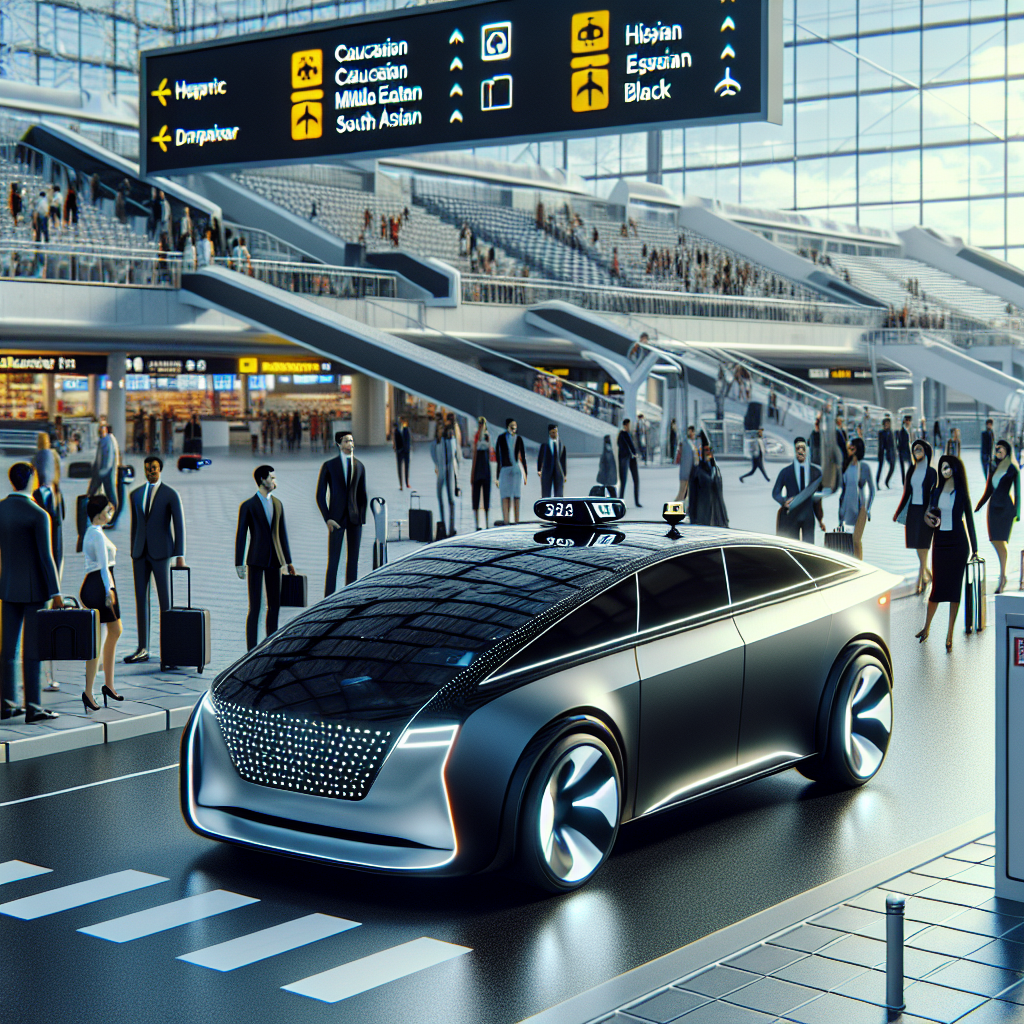
In a move that is set to redefine the way we think about transportation, Waymo has officially launched its robotaxi services at San Antonio International Airport (SAT). This exciting development marks the fourth major airport to adopt Waymo’s fully autonomous ride-hailing service, joining the likes of Phoenix Sky Harbor, San Francisco International, and San Jose International airports. With the rapid advancements in self-driving technology, the arrival of Waymo’s robotaxis in San Antonio represents a significant milestone in the evolution of urban mobility.
The Growing Network of Waymo’s Robotaxi Services
Waymo, a subsidiary of Alphabet Inc., has been at the forefront of autonomous vehicle technology. The company’s robotaxi services are designed to provide passengers with a safe, efficient, and convenient mode of transportation. With the introduction of its services at SAT, Waymo is not only expanding its operational footprint but also enhancing travel experiences for millions of passengers.
Passengers at San Antonio International Airport can now enjoy a seamless travel experience, where they can easily book a robotaxi through the Waymo app to get to their desired destination. The introduction of this service is particularly timely, given the increasing demand for contactless and efficient transportation options, especially in the post-pandemic era.
How Waymo’s Robotaxis Work
Waymo’s robotaxi fleet operates with a combination of advanced sensors, cameras, and artificial intelligence, allowing the vehicles to navigate complex environments autonomously. The cars are equipped with state-of-the-art technology designed to detect and respond to various road conditions, pedestrians, and other vehicles, ensuring a safe ride for passengers.
- Booking Process: Users can book a ride using the Waymo app, which provides real-time updates and estimated arrival times.
- Safety Features: Each vehicle undergoes rigorous safety testing and is monitored by a team of engineers who ensure optimal performance.
- Contactless Rides: Passengers can enjoy a contactless ride, enhancing safety and convenience.
The Impact on San Antonio and Beyond
The introduction of Waymo’s robotaxi services at SAT is not just a convenience for travelers; it has broader implications for the city of San Antonio. By providing an innovative transportation alternative, Waymo is expected to alleviate traffic congestion, reduce parking demand, and contribute to a more sustainable urban environment.
Furthermore, this expansion highlights the growing shift towards autonomous vehicles in urban planning and infrastructure development. Cities worldwide are increasingly recognizing the potential of self-driving technologies to transform public transportation systems, improve accessibility, and promote eco-friendly travel options.
Looking Ahead: The Future of Autonomous Transportation
As Waymo continues to expand its robotaxi services, the implications for the future of transportation are profound. The success of these services in major airports could lead to broader adoption in other urban areas, encouraging more cities to explore the integration of autonomous vehicles into their transportation networks.
Moreover, as technology advances and public acceptance grows, we might witness a paradigm shift where traditional taxis and rideshare services are gradually replaced by autonomous alternatives. This could pave the way for a new era of mobility that prioritizes efficiency, safety, and sustainability.
In conclusion, Waymo’s entry into San Antonio International Airport is not just about providing a new transportation option; it’s a glimpse into the future of urban mobility. As we embrace the age of autonomy, the possibilities are endless.