
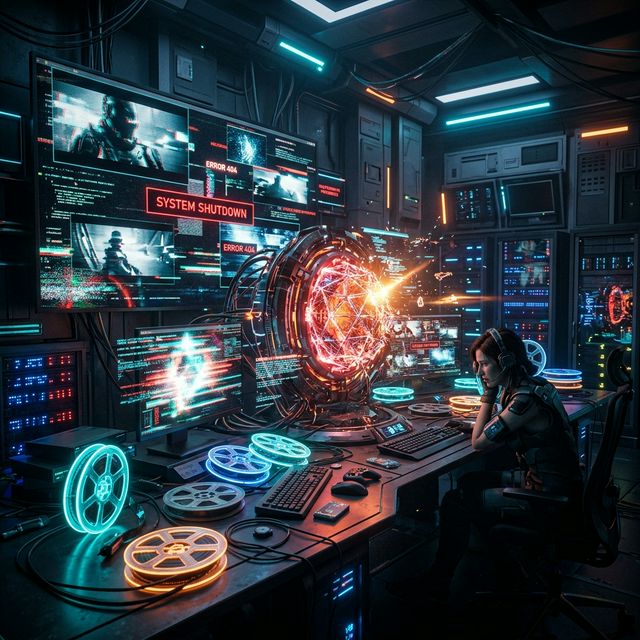
Understanding the Sora Shutdown
In a rapidly evolving tech landscape, the recent news surrounding Sora’s impending shutdown has sent shockwaves through the AI video sector. Once heralded as a groundbreaking tool for video creation, Sora is now facing significant challenges that could signal a critical turning point for AI-generated video content. So, what does this mean for the industry at large?
The Rise of AI-Generated Video
Artificial intelligence has transformed numerous sectors, and video production is no exception. With advancements in machine learning and neural networks, AI has made it easier than ever to create high-quality videos in a fraction of the time it would take a human. From automated editing to script generation, AI tools have become indispensable, providing creators with innovative ways to engage audiences.
Why Sora’s Shutdown Matters
The announcement of Sora’s shutdown raises critical questions about the sustainability and viability of AI-generated video platforms. Is this merely a strategic business decision, or does it reflect a broader trend of caution within the industry? Notably, the shift in Sora’s trajectory could indicate that companies are reassessing their investment in AI technologies, particularly those that haven’t yet proven their long-term profitability.
Corporate Strategy or Industry Reality Check?
Corporate strategies often pivot based on market demands and profitability forecasts. Sora’s shutdown could be an indication that the excitement surrounding AI-generated video is tapering off, revealing underlying issues like quality control and user satisfaction. Many AI video platforms have been criticized for producing content that, while impressive, often lacks the human touch that audiences crave.
Consumer Expectations and Quality Control
As consumers become more discerning, the demand for authentic, high-quality content is increasing. AI-generated videos can sometimes feel formulaic or lack the emotional depth that resonates with viewers. This discrepancy raises questions about whether AI can truly replace human creativity in video production.
The Future of AI Video Technology
Looking forward, the industry may need to recalibrate its approach. Here are a few predictions on how AI video technology may evolve in the coming years:
- Integration of Human Creativity: Future AI tools may focus on collaboration between human creators and AI, enhancing the creative process rather than replacing it.
- Improved Quality Control: Companies may invest more in quality assurance to ensure that AI-generated videos meet high standards of authenticity and engagement.
- Niche Market Development: We may see a rise in specialized AI video platforms catering to specific industries, such as education or marketing, where tailored solutions can thrive.
- Focus on Ethics and Transparency: As AI technology continues to advance, ethical considerations regarding content creation will become increasingly important, demanding transparency in how videos are produced.
Conclusion: A Call for Innovation
The shutdown of Sora could serve as a wake-up call for the AI video industry, prompting a necessary reevaluation of strategies and expectations. While AI has the potential to revolutionize video production, it is essential for stakeholders to recognize the importance of human creativity and quality. The future of AI-generated video will likely hinge on finding the right balance between automation and artistry.