The Energy Landscape of Tomorrow
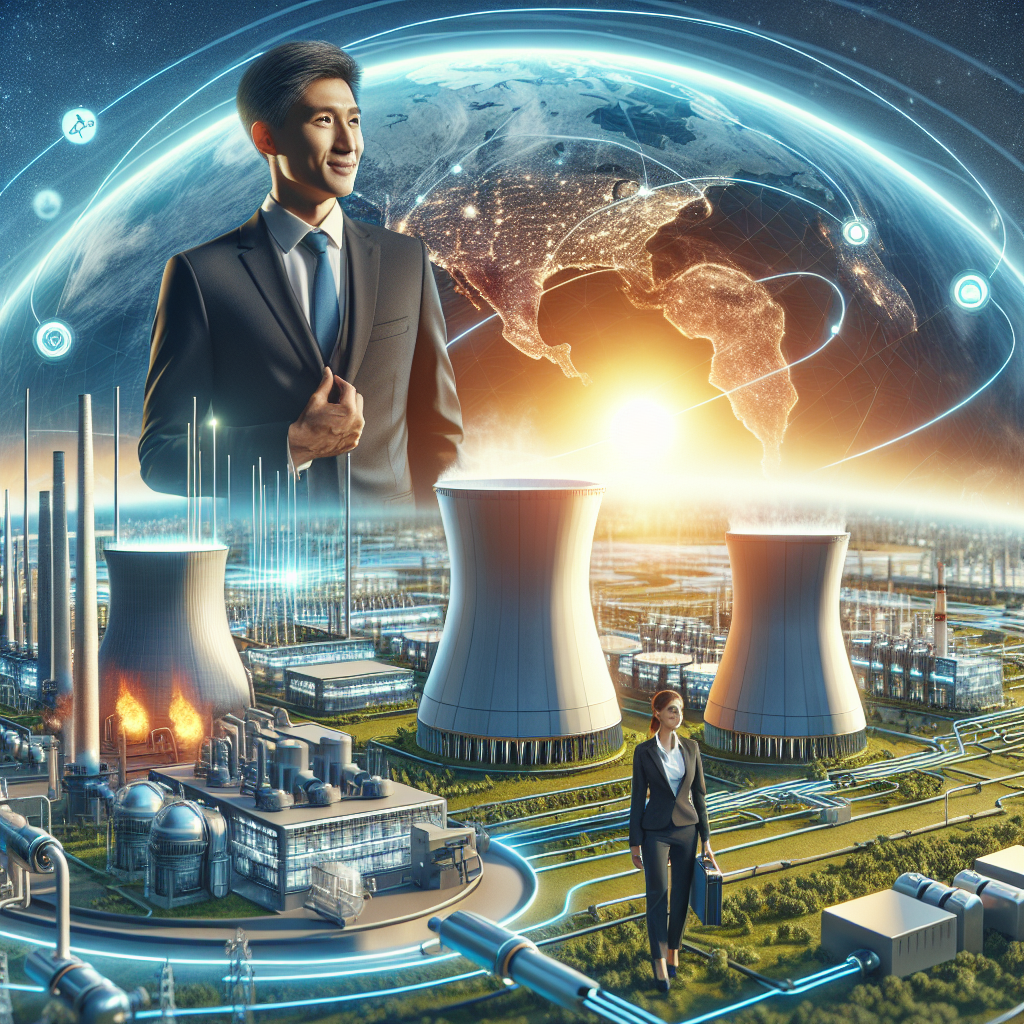
As we stand on the brink of a new era in energy production, the question looms: what will power the grid in 2035? With global energy demands soaring and the climate crisis becoming increasingly urgent, the race to find sustainable, reliable, and efficient energy sources has never been more critical. Various contenders are vying for dominance, with fusion, fission, and natural gas all emerging as potential leaders in this high-stakes competition.
The Contenders: Fusion, Fission, and Natural Gas
Fusion energy, often hailed as the holy grail of sustainable power, promises to replicate the sun’s energy generation process. Its appeal lies in its potential for virtually limitless energy with minimal environmental impact. Yet, the technological challenges remain daunting, with researchers racing against time to develop commercially viable fusion reactors.
On the other hand, fission, the process used in current nuclear power plants, continues to be a reliable source of energy. While it offers substantial power output and a lower carbon footprint than fossil fuels, concerns about nuclear waste and safety persist. The introduction of advanced nuclear technologies could address some of these issues, making fission a competitive player in the coming years.
Natural gas, while not a renewable resource, has emerged as a transitional fuel. It burns cleaner than coal and oil, making it a popular choice for countries transitioning to greener energy solutions. However, its long-term viability is questioned as the world strives to meet net-zero emissions targets.
The Global Energy Race: Innovation and Investment
The race to power the grid in 2035 isn’t just about competition among technologies; it’s also about investment and innovation. Governments and private sectors are pouring billions into research and development to foster breakthroughs. Countries like the United States, China, and those in the European Union are leading the charge, each with its own unique approach and vision for the future of energy.
Innovations such as small modular reactors (SMRs) in fission technology and prototypes like ITER in fusion are making headlines. These advancements could potentially reshape the energy landscape, making it crucial for stakeholders to stay informed about emerging technologies and their implications for the grid.
What Lies Ahead: Predictions for 2035
As we look towards 2035, several scenarios could unfold. If fusion technology matures and becomes commercially viable, we could see a significant shift in how we approach energy production, paving the way for a cleaner, more sustainable future. Conversely, if fission technology can overcome its challenges, it may maintain a critical role in the energy mix.
Natural gas may still play a part, but its role will likely diminish as renewable technologies, such as solar and wind, become more efficient and integrated into the grid. The future could also see a diversified energy portfolio, where a combination of these technologies works in harmony to meet global energy demands.
Conclusion: Energy for the Future
The race to power the grid in 2035 is undeniably wide open, filled with opportunities and challenges. As advancements in fusion, fission, and natural gas continue to evolve, it’s essential for individuals, companies, and governments alike to engage in this dialogue. The decisions made today will shape the energy landscape for generations to come. Are we ready to embrace the future of energy?