
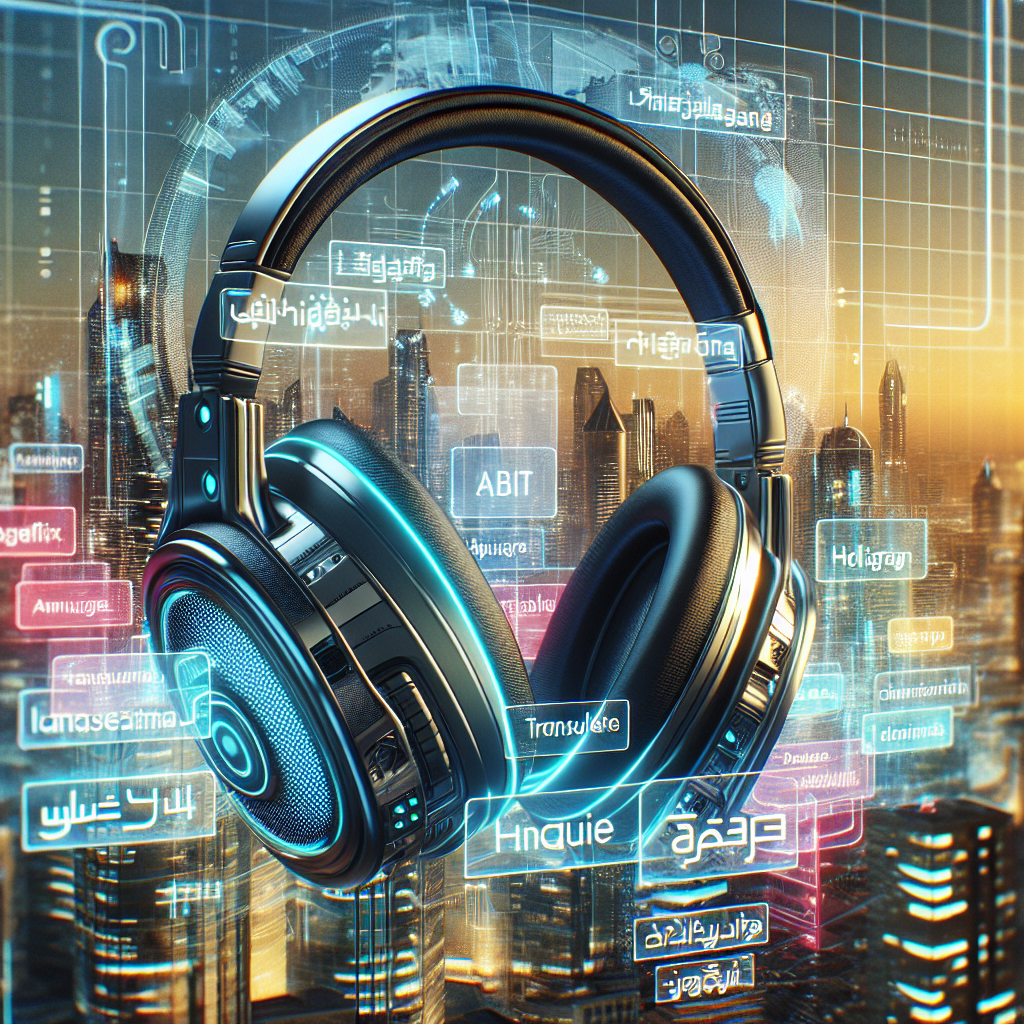
Breaking Language Barriers with Technology
In an increasingly globalized world, effective communication across languages is more vital than ever. Google Translate has long been a go-to resource for individuals looking to bridge language divides, but its latest advancement takes this concept to a whole new level. The tech giant has recently expanded its real-time headphone translation feature to iOS users across more countries, allowing for seamless conversations in multiple languages.
What is Real-Time Headphone Translation?
The real-time headphone translations feature utilizes advanced machine learning algorithms to translate spoken words in real-time. As participants engage in conversation, the app captures each speaker’s tone, emphasis, and cadence, ensuring that the essence of the dialogue is preserved. This development is a significant leap from traditional translation methods, which often fail to convey the speaker’s emotional nuances.
How It Works
- Real-Time Translation: The feature allows users to wear compatible headphones that receive live translations as the conversation unfolds.
- Natural Dialogue Flow: By maintaining the original tone and cadence, the translations feel more natural, making it easier for users to follow along.
- Increased Accessibility: With the expansion to iOS and additional countries, more people can benefit from this innovative tool.
The Impact of This Feature
This groundbreaking technology could transform both personal and business interactions, making cross-cultural exchanges more accessible. Imagine attending an international conference where everyone speaks different languages, but with the help of Google’s real-time translation, discussions flow effortlessly. It eliminates misunderstandings and fosters a more inclusive and collaborative environment.
Global Reach and Future Implications
The expansion of this feature is a game-changer not only for travelers and expatriates but also for businesses aiming to penetrate new markets. Companies can engage with clients and partners around the world without the usual language barriers, paving the way for smoother negotiations and more effective partnerships.
As we look to the future, we can expect Google and other tech companies to continue innovating in the realm of language translation. The integration of artificial intelligence and machine learning in translation tools is likely to improve accuracy and contextual understanding further. In the next few years, we might even see features that allow emotions and cultural nuances to be translated alongside words, making interactions even more meaningful.
Conclusion
Google Translate’s real-time headphone translation feature is revolutionizing the way we communicate across cultures. By ensuring that the speaker’s tone and cadence are preserved, it makes conversations more engaging and authentic. As this technology continues to evolve, we can anticipate a world where language barriers are a thing of the past, paving the way for deeper connections and understanding among diverse populations.