
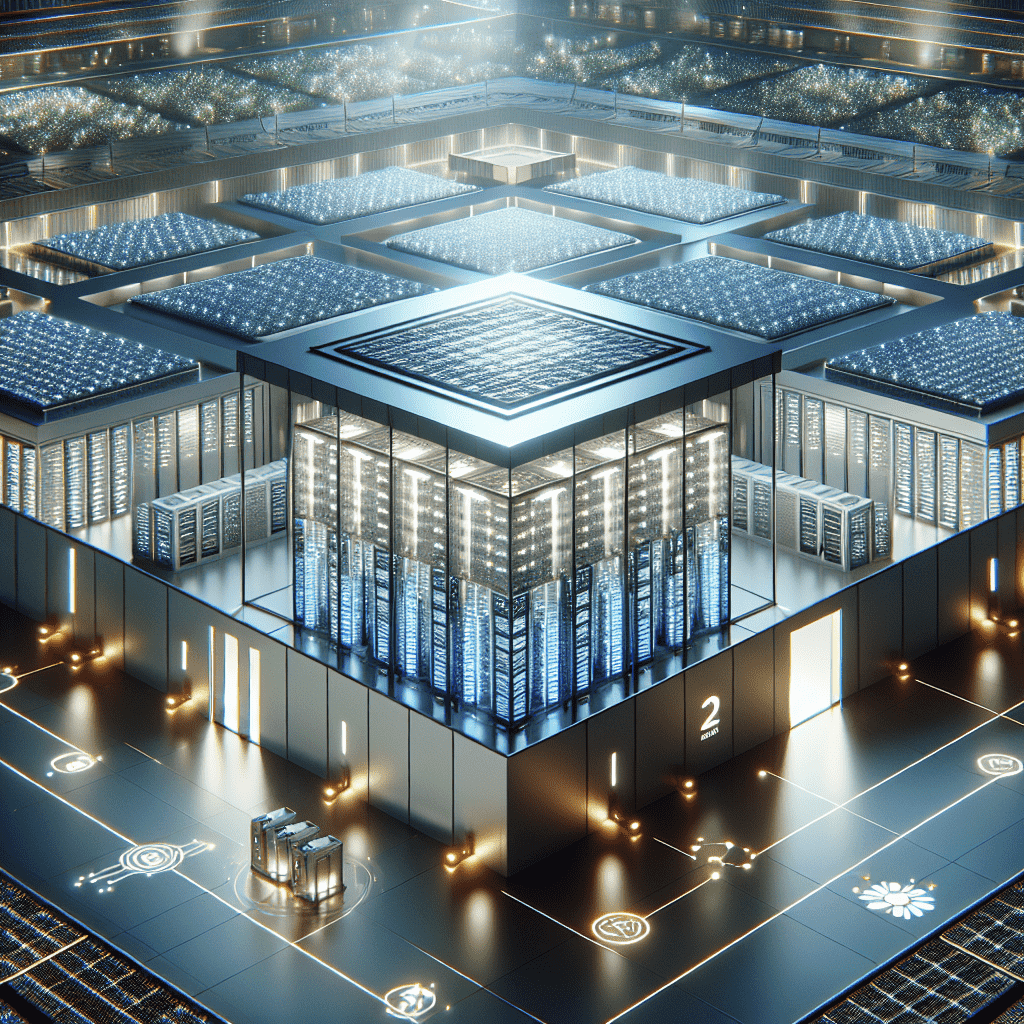
The Growing Demand for Data Center Transparency
As our reliance on digital services continues to soar, data centers have become the backbone of the online world. These facilities are responsible for storing, processing, and disseminating the vast amounts of data generated daily. However, as technology advances and the need for energy escalates, lawmakers are increasingly scrutinizing the power consumption of these crucial infrastructures. Recently, Senators Josh Hawley and Elizabeth Warren called on the Energy Information Administration (EIA) to gather detailed insights into how data centers utilize power and the subsequent effects on the energy grid.
Why the Spotlight on Data Center Power Bills?
The push for transparency in data center energy usage stems from several critical concerns. Firstly, data centers are notorious for their substantial electricity consumption, accounting for about 2% of total U.S. electricity usage. With the growing demand for cloud computing, artificial intelligence, and streaming services, this figure is expected to rise significantly. As energy prices fluctuate and sustainability becomes a priority, understanding the power bills of these data centers is essential for policymakers.
Furthermore, the relationship between data centers and the energy grid is complex. High energy consumption can lead to increased demand on the grid, potentially causing strain and outages. By analyzing energy usage patterns, lawmakers can better assess the impact of data centers on grid reliability and develop strategies to mitigate any adverse effects.
Potential Implications for the Tech Industry
The implications of this Senate initiative are vast for the tech industry. If data centers are required to disclose more detailed energy consumption data, it could lead to increased accountability and pressure to adopt more sustainable practices. Companies may need to invest in energy-efficient technologies or explore renewable energy sources to maintain their reputations and meet regulatory standards.
Moreover, this increased scrutiny could influence the design and operation of future data centers. The industry may see a shift towards more innovative solutions, such as edge computing, which can reduce latency and energy consumption by processing data closer to the source. Additionally, the integration of AI and machine learning into energy management systems could optimize power usage and minimize waste.
A Call for Sustainable Practices
As the debate around data center energy consumption unfolds, it is crucial for both lawmakers and industry leaders to prioritize sustainability. The tech industry has a unique opportunity to lead by example, demonstrating that innovation and environmental responsibility can go hand in hand.
- Investment in green technologies, such as solar or wind energy, can significantly reduce carbon footprints.
- Implementing advanced cooling systems and energy-efficient hardware can lower energy consumption.
- Collaboration with utility companies and government agencies can foster the development of smart grids that accommodate fluctuating energy demands.
Conclusion: The Future of Data Centers and Energy Consumption
As the Senate pushes for greater transparency in data center power usage, the tech industry must brace itself for the potential changes ahead. This initiative not only highlights the importance of energy consumption in the digital age but also serves as a wake-up call for data centers to adopt more sustainable practices. By focusing on energy efficiency and renewable resources, the industry can pave the way for a greener future while continuing to meet the growing demands of a digital society.
In conclusion, the future of data centers hinges on their ability to balance performance with sustainability. As we move forward, it will be fascinating to observe how these facilities evolve, respond to regulatory pressures, and contribute to a more energy-efficient world.