
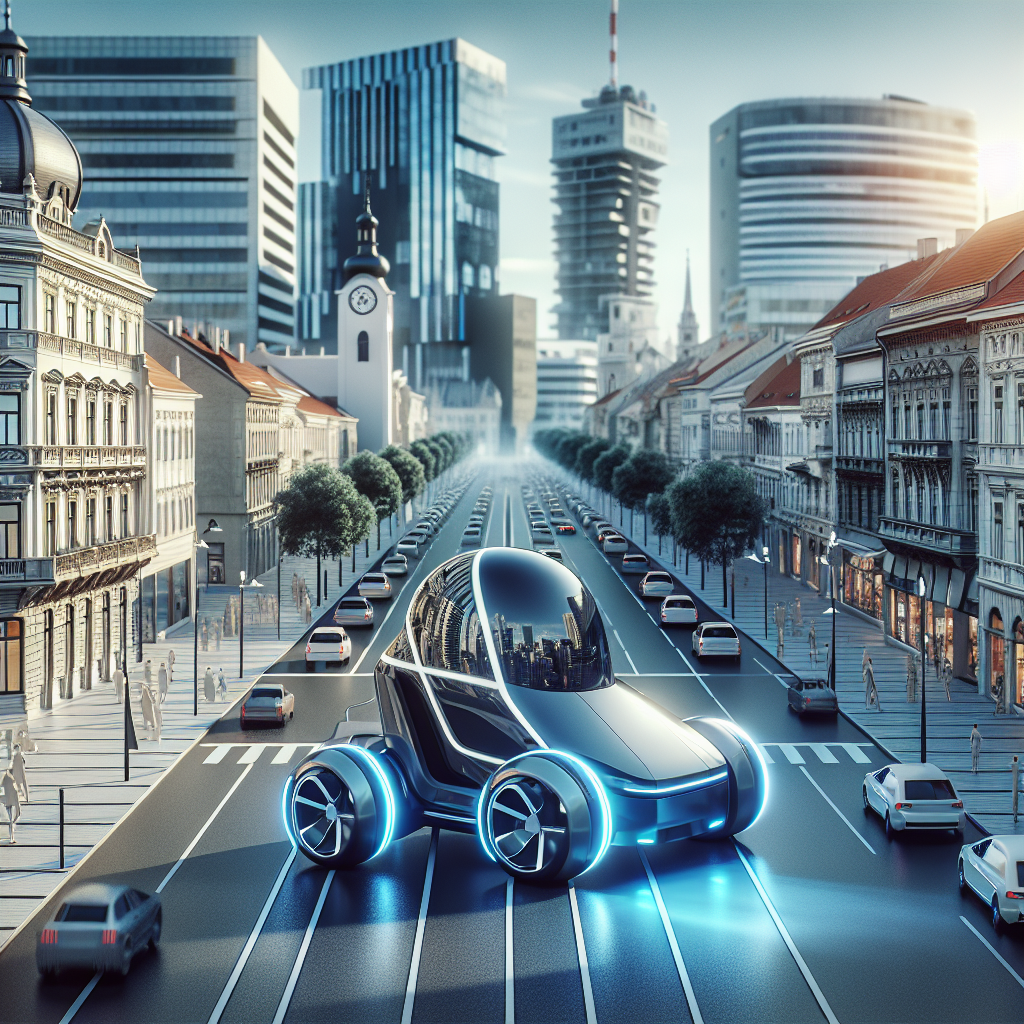
Introducing Verne: The New Player in the Robotaxi Arena
In an exciting development for the autonomous vehicle sector, Verne, a startup under the Rimac Group, has launched its robotaxi service in Zagreb, Croatia. With a vision to revolutionize urban mobility, Verne is set to challenge established players in the robotaxi market, and with the strategic investment from Uber, the stakes have never been higher.
The Rise of Robotaxis: A Global Perspective
The robotaxi market has seen exponential growth over recent years, driven by advancements in artificial intelligence, machine learning, and sensor technology. Major players like Waymo, Cruise, and even Uber have been at the forefront, but the entry of smaller, agile startups like Verne could signal a shift in the landscape. With urban populations growing and cities facing congestion challenges, the need for efficient and sustainable transportation solutions is pressing.
Verne’s Unique Positioning
What sets Verne apart from its competitors? For one, its roots in Croatia, a country not traditionally known for tech innovation on a global scale. The partnership with Uber not only provides financial backing but also access to a wealth of knowledge and experience in the ride-hailing industry. This collaboration could enable Verne to leverage existing technologies and frameworks, accelerating its growth trajectory.
How Verne Plans to Operate in Zagreb
In its initial phase, Verne will focus on urban areas in Zagreb, integrating its robotaxi service with existing transportation systems. The company aims to provide a seamless user experience, allowing customers to book rides through a dedicated app. Furthermore, the vehicles will be equipped with advanced safety features and AI-driven navigation systems to ensure passenger safety and satisfaction.
Challenges Ahead
- Regulatory Hurdles: Autonomous vehicle regulations vary significantly across countries. Navigating the legal landscape in Europe will be crucial for Verne’s success.
- Public Perception: Building trust in autonomous vehicles will be vital, especially in a market that is still grappling with the implications of self-driving technology.
- Competition: With established brands dominating the market, Verne must differentiate itself to capture consumer attention.
Future Predictions: Where is the Robotaxi Market Headed?
The future of robotaxis looks promising. As technology continues to evolve, we can expect to see significant advancements in vehicle autonomy, safety protocols, and user experience. Verne’s entry into the market could herald a new era of competition, pushing existing players to innovate further. If successful, Verne could inspire similar initiatives across Europe and beyond, paving the way for a more interconnected, efficient transportation network.
Conclusion: A New Era for Urban Mobility
Verne’s debut in Zagreb is not just a local story; it’s a glimpse into the future of urban transportation. With Uber’s support and a clear vision, Verne has the potential to reshape how we think about mobility in cities. As we watch this startup’s journey unfold, one thing is certain: the robotaxi revolution is just beginning.