
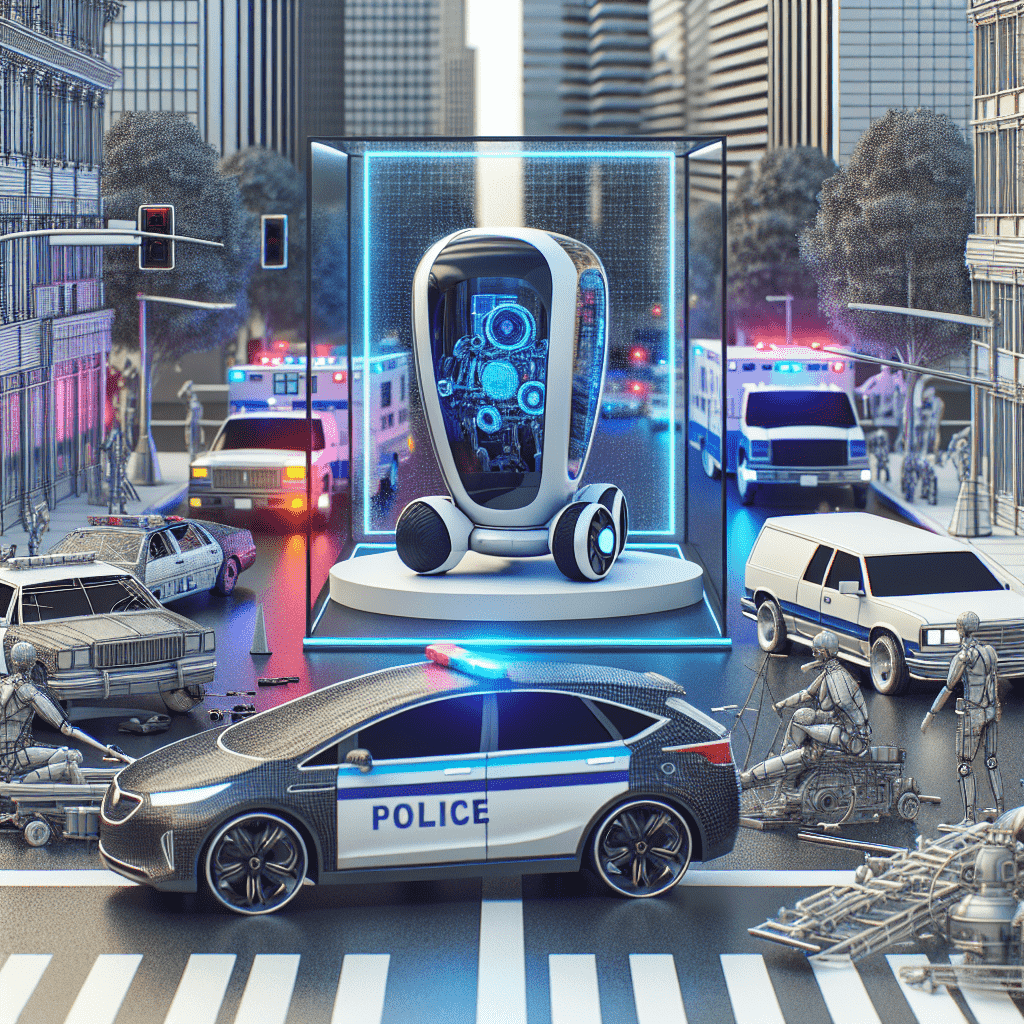
The Intersection of Technology and Emergency Response
In a world where self-driving cars are becoming increasingly common, the integration of these vehicles into everyday life is raising new questions about their functionality and safety. Waymo, a leader in autonomous driving technology, has recently made headlines by revealing a surprising twist: first responders, including police officers, are sometimes required to take control of Waymo’s self-driving cars during emergency situations. This revelation sheds light on the complexities of autonomous vehicle operations and raises important discussions about public safety.
Waymo’s Challenges in Real-World Scenarios
Waymo’s fleet of robotaxis has been designed to navigate urban environments without human intervention. However, situations arise where human oversight is not just preferred but necessary. TechCrunch reports instances where police had to intervene in active crime scenes, moving Waymo vehicles to ensure safety and facilitate emergency responses. This necessity underscores the fact that while autonomous technology has advanced significantly, it is not infallible.
Why Do First Responders Intervene?
The primary reason for first responders stepping in is safety. In chaotic environments, such as crime scenes or accidents, the unpredictable nature of human behavior can complicate the safe operation of autonomous vehicles. For instance, if a Waymo car becomes obstructed or is in a location that poses a danger, police officers can quickly move the vehicle to mitigate risks and clear the area for emergency services.
- Emergency Situations: In emergencies, the ability to quickly reposition vehicles can be crucial.
- Safety Protocols: First responders may have protocols in place that require human intervention for safety.
- Public Perception: The involvement of police can help reassure the public about the technology’s reliability.
Implications for Autonomous Vehicle Development
The need for human intervention in Waymo’s operations raises critical questions about the future of self-driving technologies. As we push towards a more automated society, it is essential to consider how these vehicles can coexist with emergency services. Will there be improvements in communication systems between first responders and autonomous vehicles? Could future iterations of self-driving cars incorporate more sophisticated AI to handle emergency scenarios independently?
Moreover, as autonomous vehicles become more prevalent, the legal and ethical implications of their operation must be explored. Who is responsible if a vehicle needs to be moved during an emergency? As regulations evolve, it’s vital for lawmakers to keep pace with advancements in technology.
Looking Ahead: The Future of Autonomous Vehicles
While Waymo continues to refine its technology, the role of first responders highlights an essential aspect of the integration of autonomous vehicles into society. As technology progresses, we can speculate that future developments may include:
- Improved AI Systems: Autonomous vehicles may develop advanced decision-making capabilities to handle emergencies autonomously.
- Enhanced Communication: Integrating vehicle systems with emergency services could streamline responses in critical situations.
- Public Trust: Building confidence in autonomous vehicles will require transparency and collaboration between tech companies and public safety agencies.
In conclusion, the involvement of first responders in the operation of Waymo’s self-driving cars serves as a reminder that while we are on the brink of a technological revolution, human oversight remains a crucial component of safety. As we move forward, the collaboration between technology and emergency services will be fundamental in shaping a safe and efficient transportation landscape.