The Future of Education: Melania Trump’s Vision
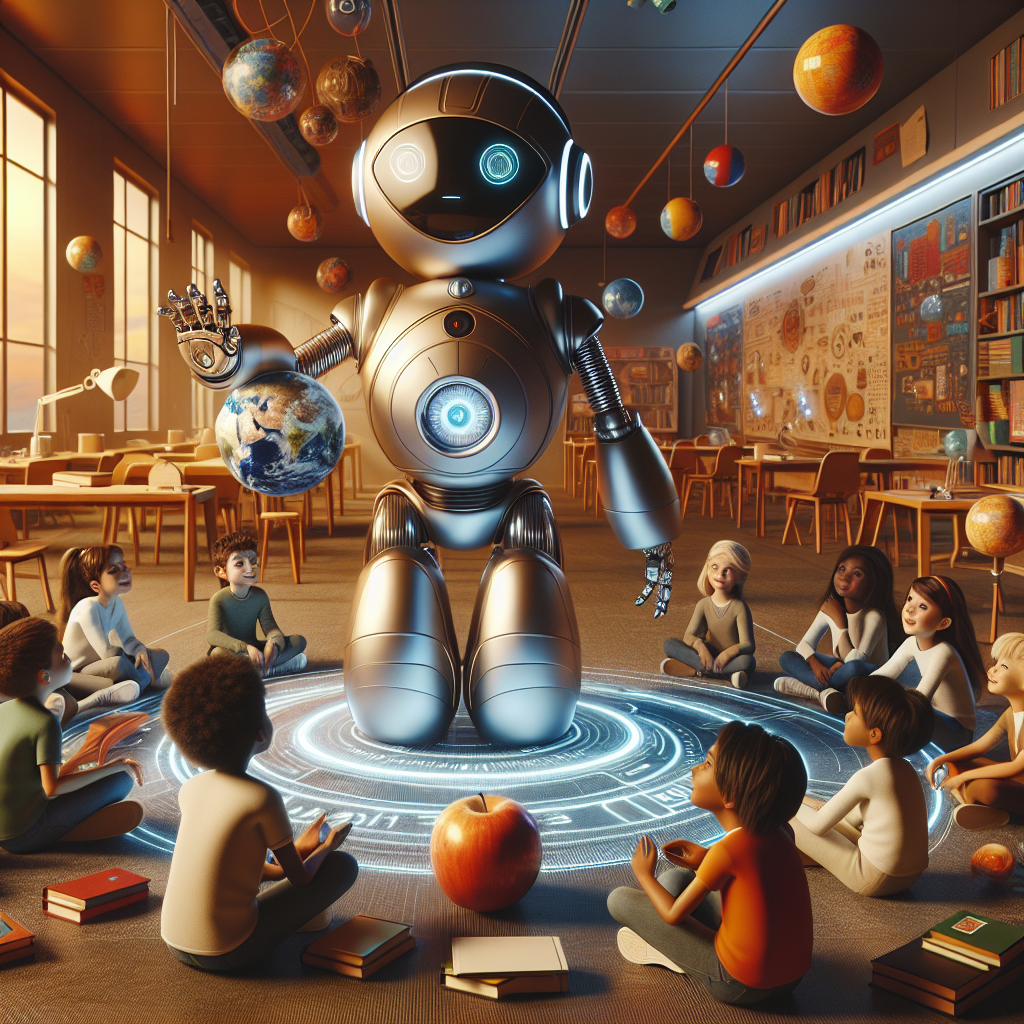
In a world where technology is ever-evolving, the integration of artificial intelligence (AI) and robotics into everyday life has become more pronounced. Recently, Melania Trump, the former First Lady of the United States, expressed her belief in the significant role that AI and robotics will play in the future of American education. Particularly, she advocates for the use of robots in homeschooling, suggesting a revolutionary shift in how children learn.
Why Robotics in Education?
The concept of robots as educators may seem futuristic, but it aligns perfectly with current educational trends. With the rise of digital learning platforms and the increased reliance on technology due to the pandemic, parents and educators alike are exploring innovative ways to enhance the learning experience.
- Personalized Learning: AI-driven robots can tailor educational content to meet the unique needs of each child. This personalized approach may help address varying learning paces and styles.
- Accessibility: Robotics can make education more accessible, especially for children with disabilities or those living in remote areas. A robot equipped with the latest technology can bring quality education to the doorstep of any child.
- Engagement: Engaging students through interactive lessons led by robots can make learning more enjoyable. The novelty of learning with a robotic tutor could spark greater interest in subjects like science and mathematics.
The Role of AI in Homeschooling
As many families continue to embrace homeschooling, the introduction of AI teachers could offer a structured environment that is often lacking in home settings. Robots could facilitate lessons, provide feedback, and even assess students’ progress, allowing parents to focus more on supporting their children’s emotional and social development.
Moreover, the potential for AI to assist in lesson planning and resource gathering can alleviate some of the burdens that homeschooling parents face. Imagine a robot that not only delivers lessons but also curates resources and suggests activities based on the child’s interests and academic needs.
Challenges and Considerations
While the idea of robots in education is exciting, it is essential to consider the challenges ahead. Issues such as the cost of technology, the need for robust internet infrastructure, and the potential for reduced human interaction must be addressed. Furthermore, parents and educators will need to adapt to this new dynamic, ensuring that technology complements rather than replaces traditional teaching methods.
Looking Ahead: A Predictive Glimpse into Education’s Future
As we look to the future, the integration of AI and robotics in education may not be a distant dream but an approaching reality. By 2030, we may see a landscape where classrooms are blended environments, merging traditional teaching with AI-driven tools. Children might learn alongside robots that not only teach but also mentor and motivate them.
Melania Trump’s vision could pave the way for educational reform that embraces technology, ensuring that future generations are equipped with the skills needed for an increasingly digital world. As we explore these possibilities, one thing remains clear: the future of education is here, and it’s evolving rapidly.