
The Rise of Robotaxis: A Glimpse into the Future
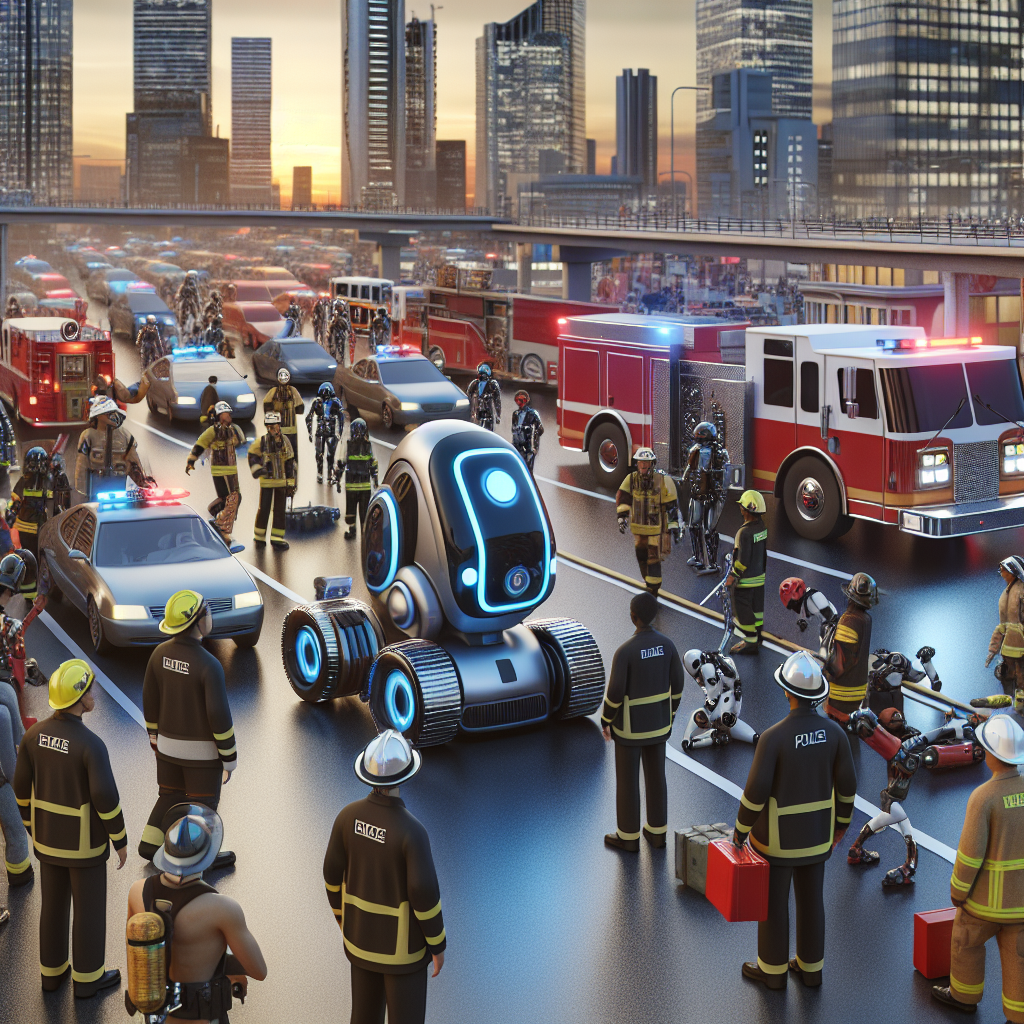
As urban landscapes continue to evolve, the rise of autonomous vehicles is a topic that captures the imagination of tech enthusiasts and everyday commuters alike. Waymo, a leader in the self-driving car industry, has made significant strides in deploying robotaxis across major cities. However, recent reports reveal a concerning trend: the need for first responders to rescue these driverless vehicles when they get stuck in traffic. In at least six documented instances, firefighters and police have had to step in to move Waymo vehicles during emergencies, raising questions about the reliability and safety of these autonomous systems.
Emergency Situations: When Robotaxis Fail
Imagine a bustling city street, where everything seems to flow seamlessly. Suddenly, a robotaxi halts in the middle of the road, causing a traffic jam and posing a potential risk to public safety. This scenario has unfolded multiple times, leading to interventions from local law enforcement and firefighters. According to a report by TechCrunch, these incidents highlight the challenges facing autonomous technology when it encounters unexpected obstacles or complex traffic scenarios.
Why Are Robotaxis Getting Stuck?
There are several factors that contribute to the challenges faced by Waymo’s robotaxis:
- Unpredictable Traffic Conditions: Autonomous vehicles are programmed to navigate based on algorithms and data. However, real-world traffic can be chaotic, with unpredictable behaviors from other drivers and pedestrians that may confuse the vehicle’s system.
- Technical Limitations: While Waymo’s technology is advanced, it is not infallible. Sensor malfunctions, software glitches, or misinterpretations of road conditions can lead to a robotaxi becoming immobilized.
- Legal and Regulatory Constraints: The legal framework surrounding autonomous vehicles is still evolving. In some cases, robotaxis may be programmed to comply too rigidly with traffic laws, leading them to stop unnecessarily in situations where a human driver would continue.
The Role of First Responders
The involvement of firefighters and police in these incidents underscores the importance of human oversight in the deployment of autonomous technologies. While the idea of a fully automated driving experience is appealing, the reality is that there are still significant hurdles to overcome. First responders play a critical role in ensuring public safety, especially when technology falters.
This reliance on emergency services raises important questions about the future of autonomous vehicles. Will we see a shift towards hybrid models that incorporate human oversight even in automated systems? Or will advancements in artificial intelligence eventually alleviate these issues, allowing robotaxis to navigate urban environments independently and safely?
Looking Ahead: The Future of Robotaxis
As we look to the future, it’s clear that the journey towards fully autonomous vehicles is fraught with challenges. While Waymo and other companies are making strides, the incidents of robotaxis requiring assistance from first responders serve as a reminder of the complexities involved in this technology.
In my opinion, the future will likely see a combination of human and machine collaboration. Advanced machine learning algorithms will need to be developed to better understand and predict human behavior on the roads. Additionally, real-time communication between autonomous vehicles and emergency services could become a standard feature, ensuring swift responses in case of malfunction.
Ultimately, the success of robotaxis will depend on their ability to seamlessly integrate into the existing traffic ecosystem while ensuring the safety and well-being of all road users. As we navigate this brave new world, one thing is certain: the road ahead will be anything but straightforward.