
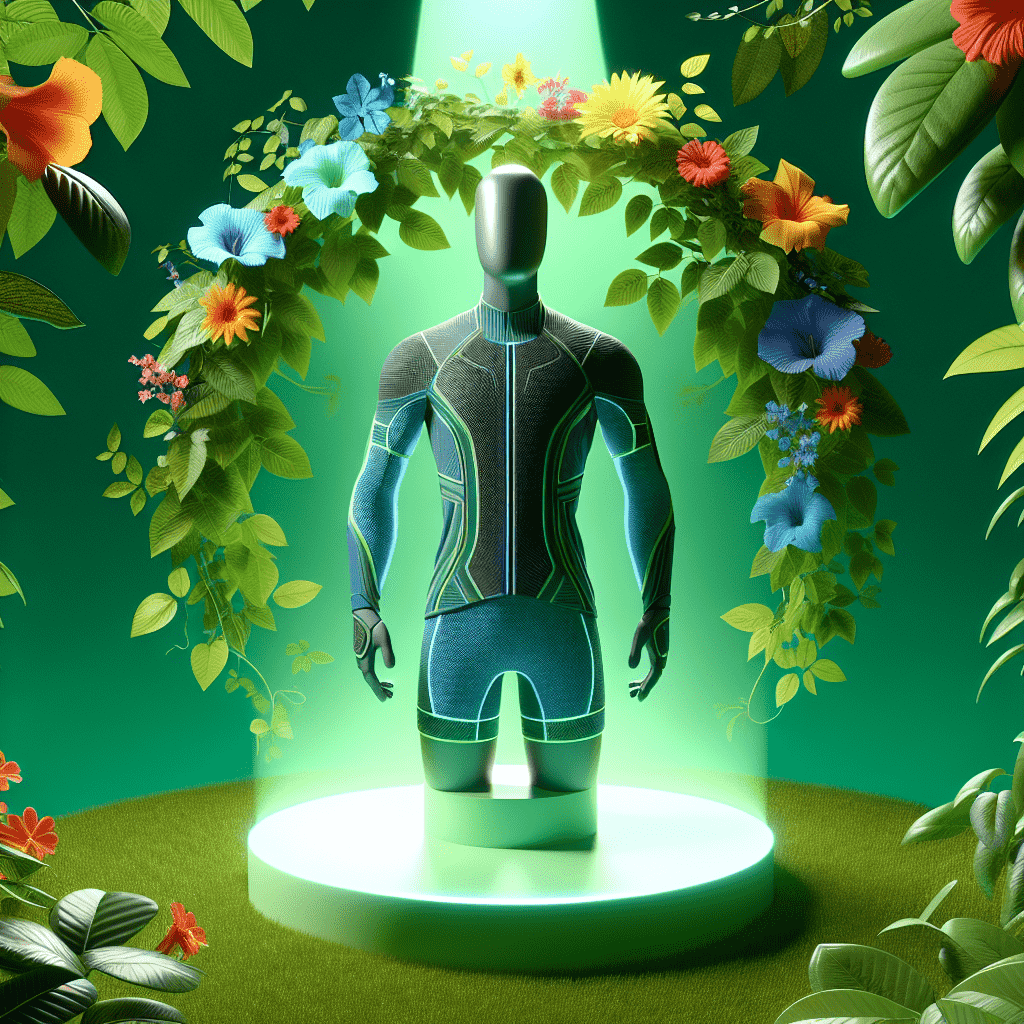
Revolutionizing Sustainability in Fashion
In a groundbreaking move that highlights the intersection of technology and sustainability, Lululemon has partnered with a startup called Epoch Biodesign. This collaboration is set to redefine how the fashion industry manages plastic waste, particularly in the production of athletic wear. Epoch Biodesign has developed a pioneering process that utilizes enzymes to break down plastic waste into monomers, the basic building blocks needed to produce new plastic. This innovative approach promises not only to reduce environmental impact but also to establish a circular economy within the apparel sector.
The Plastic Crisis: A Growing Concern
The fashion industry is notorious for its environmental footprint, with plastic pollution being a significant component of the problem. As the world grapples with an increasing amount of plastic waste—estimated to reach 1.3 billion tons by 2030—brands are under intense pressure to adopt sustainable practices. Lululemon, known for its high-quality athletic apparel, is taking proactive steps by investing in technologies that can mitigate the fashion industry’s contribution to plastic waste.
Epoch Biodesign: The Science Behind the Solution
Epoch Biodesign’s innovative process employs specialized enzymes that effectively deconstruct plastics into their original monomer forms. These monomers can then be repurposed to create new plastic products, offering a sustainable alternative to traditional plastic manufacturing methods, which often rely on fossil fuels and contribute to pollution. This enzymatic recycling process not only reduces the amount of plastic waste in landfills and oceans but also lowers the carbon footprint of plastic production.
Lululemon’s Commitment to Sustainability
As a leader in the athletic wear market, Lululemon’s commitment to sustainability is commendable. By partnering with Epoch Biodesign, the brand is positioning itself at the forefront of a movement aimed at creating a more sustainable future for fashion. This collaboration is expected to enhance Lululemon’s product line with environmentally friendly options that resonate with consumers increasingly concerned about sustainability.
The Future of Fashion: Circular Economy and Beyond
The partnership between Lululemon and Epoch Biodesign represents a significant step toward a circular economy in fashion. A circular economy aims to minimize waste and make the most of resources, which is crucial in an industry that has historically been linear—produce, consume, and dispose. As more brands adopt similar strategies, the potential for an industry-wide transformation becomes evident.
Your Role as a Consumer
As consumers, we have the power to drive change through our purchasing decisions. Supporting brands that prioritize sustainability can help shift the entire fashion industry toward more eco-friendly practices. Lululemon’s initiative is a beacon of hope, showcasing how innovation can pave the way for a cleaner, greener planet.
Insights and Future Predictions
The partnership between Lululemon and Epoch Biodesign is just the tip of the iceberg. As technology continues to evolve, we can expect to see more brands exploring innovative solutions to address environmental challenges. With increasing regulatory pressure and consumer demand for sustainable products, the fashion industry may soon witness a cascade of similar collaborations, leading to a widespread adoption of sustainable practices. In the coming years, we might even see a shift in consumer expectations, where eco-friendliness becomes a prerequisite rather than an afterthought in the fashion industry.