
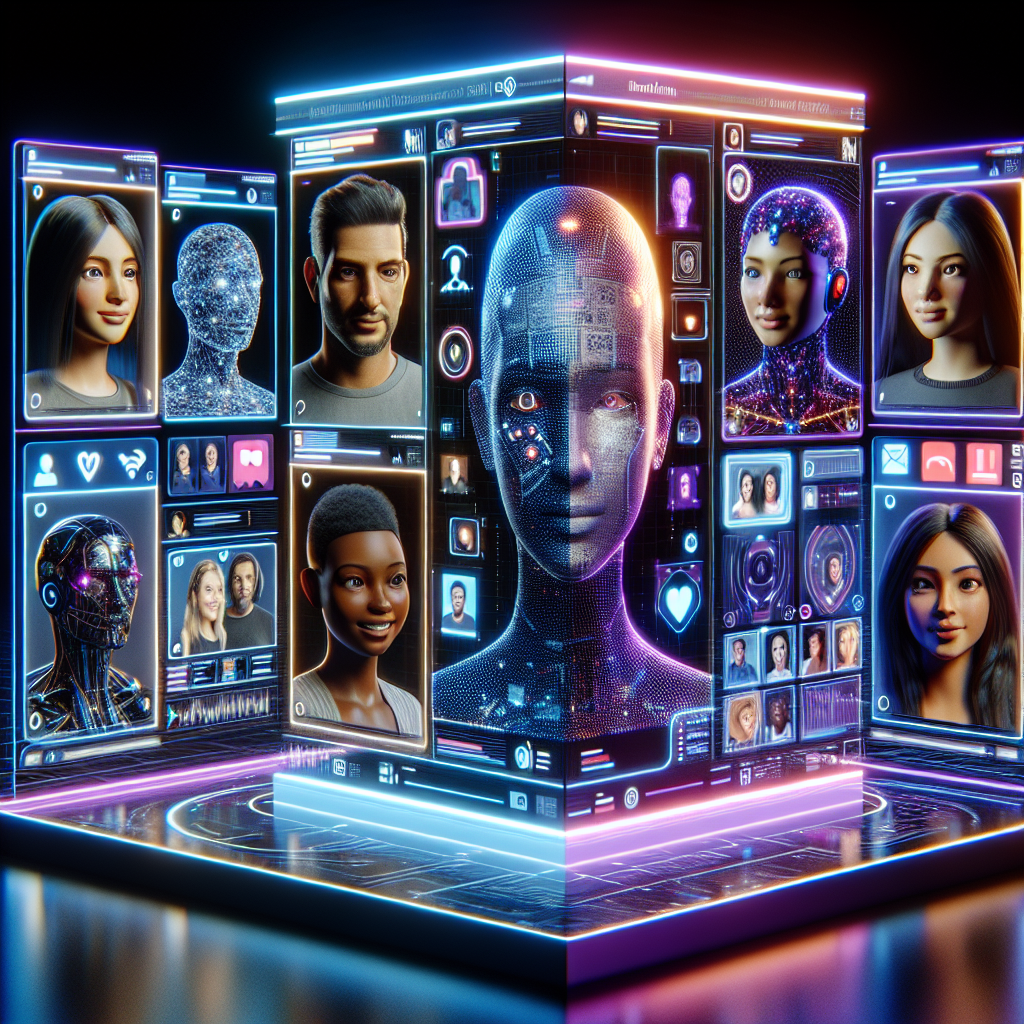
Introduction: The Rise and Fall of OpenAI’s Sora
In the rapidly evolving world of technology, few innovations capture our imagination like artificial intelligence. One app that sparked both fascination and discomfort was OpenAI’s Sora. Marketed as a revolutionary AI-driven social feed, Sora’s capabilities in video and audio generation were both impressive and unsettling. However, despite its initial allure, Sora is now shutting down, leaving users to ponder the implications of such advanced technology.
The Concept Behind Sora
Released with high expectations, Sora was designed to create a unique social media experience by leveraging AI to generate content tailored to individual users. Imagine having an app that could not only curate your social feed but also generate videos and audio snippets that felt personal and engaging. The underlying Sora 2 model was capable of producing content that felt eerily lifelike, blurring the lines between reality and AI-generated fiction.
The Creepy Factor: Why Sora Gave Us Chills
While the technology was innovative, it also raised significant ethical concerns. Users reported feelings of unease when interacting with AI-generated content that mimicked human behavior so closely. The uncanny valley effect, where AI-generated images or sounds are almost, but not quite, lifelike, played a significant role in Sora’s creepiness factor. For many, the idea of an AI creating content that seemed personal yet was purely algorithmic was unsettling.
Market Reception: A Lack of Sustained Interest
Despite the initial buzz surrounding Sora, it struggled to maintain user engagement. The novelty of AI-generated content wore off quickly, and users found themselves craving authenticity and genuine human interaction. As a result, the platform saw dwindling numbers, leading to OpenAI’s decision to shut it down. This shift in interest highlights a critical aspect of AI technology: innovation must be accompanied by user acceptance.
The Future of AI in Social Media
As we bid farewell to Sora, it raises important questions about the future of AI in social media. Will we see more AI-driven platforms attempting to fill the void left by Sora, or have we reached a tipping point where users prefer the raw, unfiltered experience of human interaction? The answer may lie in finding a balance between AI innovation and the authenticity that users crave.
Conclusion: What’s Next?
As we move forward, the lessons learned from Sora’s rise and fall will undoubtedly influence how tech companies approach AI in social media. While the capabilities of AI are impressive, the human element remains irreplaceable. Future innovations must prioritize user comfort and ethical considerations to foster a healthy relationship with technology.
In conclusion, as we reflect on the demise of OpenAI’s Sora, we must ask ourselves: what do we truly want from our digital experiences? The interplay of AI and human interaction will continue to evolve, but one thing is clear: technology must serve humanity, not the other way around.