
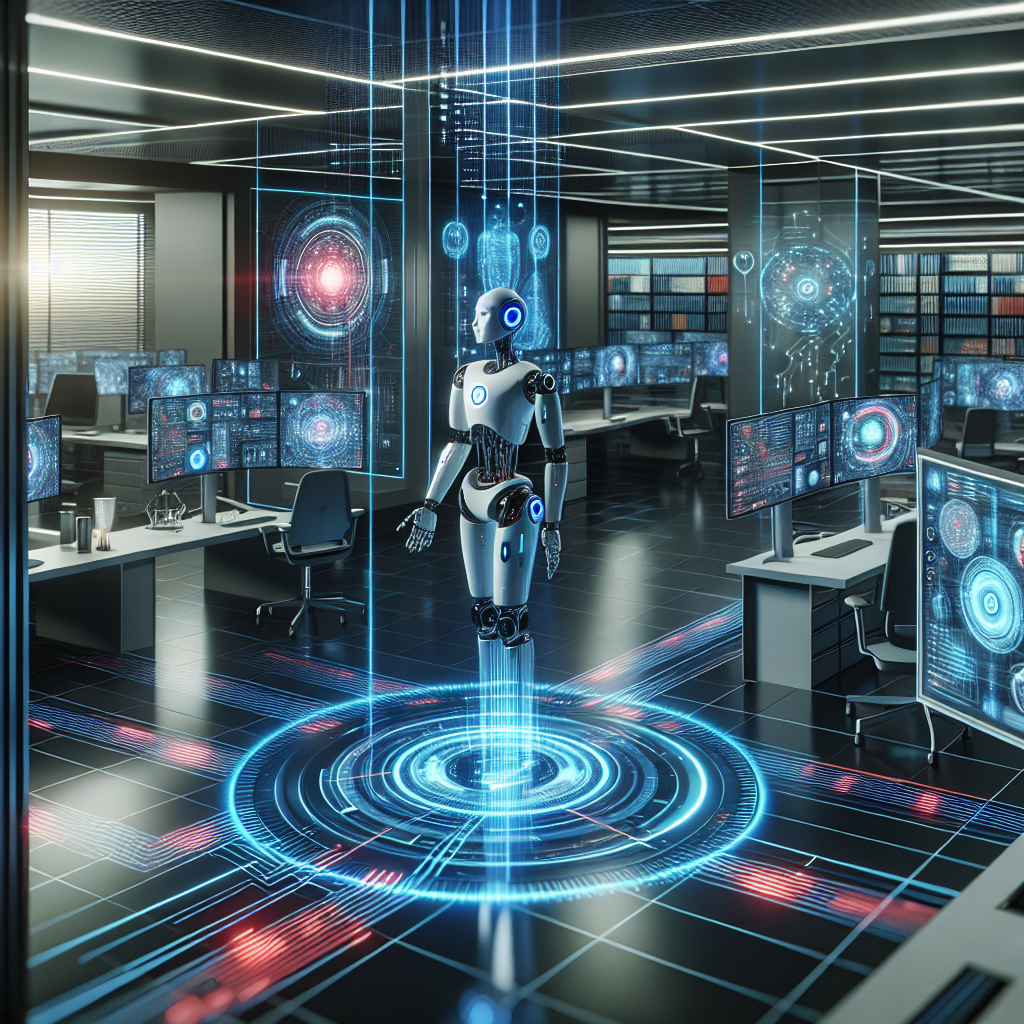
Understanding Claude Code’s New Auto Mode
In a groundbreaking move, Anthropic has introduced an auto mode for its AI model, Claude Code, providing it with enhanced autonomy to execute tasks with fewer approvals. This transition reflects a significant trend in the AI landscape, where the balance between speed and safety is becoming increasingly important. With built-in safeguards designed to prevent misuse, this new capability not only marks a leap towards more autonomous AI but also showcases Anthropic’s commitment to responsible AI development.
The Shift Towards Autonomous AI Tools
The AI industry is witnessing a seismic shift as developers aim to create tools that can operate with greater independence. Traditionally, AI systems required a series of approvals and human oversight before executing tasks. However, as the demand for efficiency and rapid execution grows, companies like Anthropic are exploring ways to allow AI to make decisions in real-time. The introduction of Claude Code’s auto mode is a prime example of this evolving paradigm.
By reducing the number of required approvals, Claude Code can now operate more fluidly, driving faster results for businesses and users alike. This shift is particularly crucial in sectors where speed is of the essence, such as tech development, financial services, and customer support.
Safety Measures: Keeping AI on a Leash
While the newfound autonomy of Claude Code is exciting, Anthropic has wisely opted to implement built-in safeguards. These controls ensure that the AI operates safely, mitigating risks associated with autonomous decision-making. Such measures are essential in maintaining trust in AI technologies, particularly as they become more integrated into everyday business operations.
- Transparency: Users can track the AI’s decisions and actions, fostering trust and accountability.
- Feedback Mechanisms: Continuous learning from user interactions helps Claude Code refine its decision-making process.
- Emergency Override: In critical situations, human operators can intervene and override AI decisions if necessary.
The Future of AI Autonomy
The launch of Claude Code’s auto mode is likely to set a precedent for future developments in AI autonomy. As businesses increasingly adopt these autonomous tools, we can expect to see a wave of innovations aimed at enhancing efficiency while ensuring safety. This could lead to the emergence of more sophisticated AI systems capable of handling complex tasks independently.
However, with greater autonomy comes the responsibility of developers to ensure ethical guidelines and regulations are adhered to. The balance between leveraging AI’s capabilities and maintaining human oversight will be a pivotal conversation moving forward. As we navigate this new frontier, the dialogue surrounding AI ethics will be more critical than ever.
Conclusion: A Balanced Approach to AI Autonomy
In conclusion, Anthropic’s enhancement of Claude Code with an auto mode represents a significant milestone in the evolution of AI tools. By embracing a model that prioritizes both autonomy and safety, the company is paving the way for a future where AI can operate efficiently while still being held accountable. As we look ahead, the focus will likely shift towards developing more reliable frameworks that support the responsible use of AI technologies in various sectors.
What are your thoughts on the increasing autonomy of AI systems? Will this trend lead to more innovation, or do you believe it poses significant risks? Share your insights in the comments!