
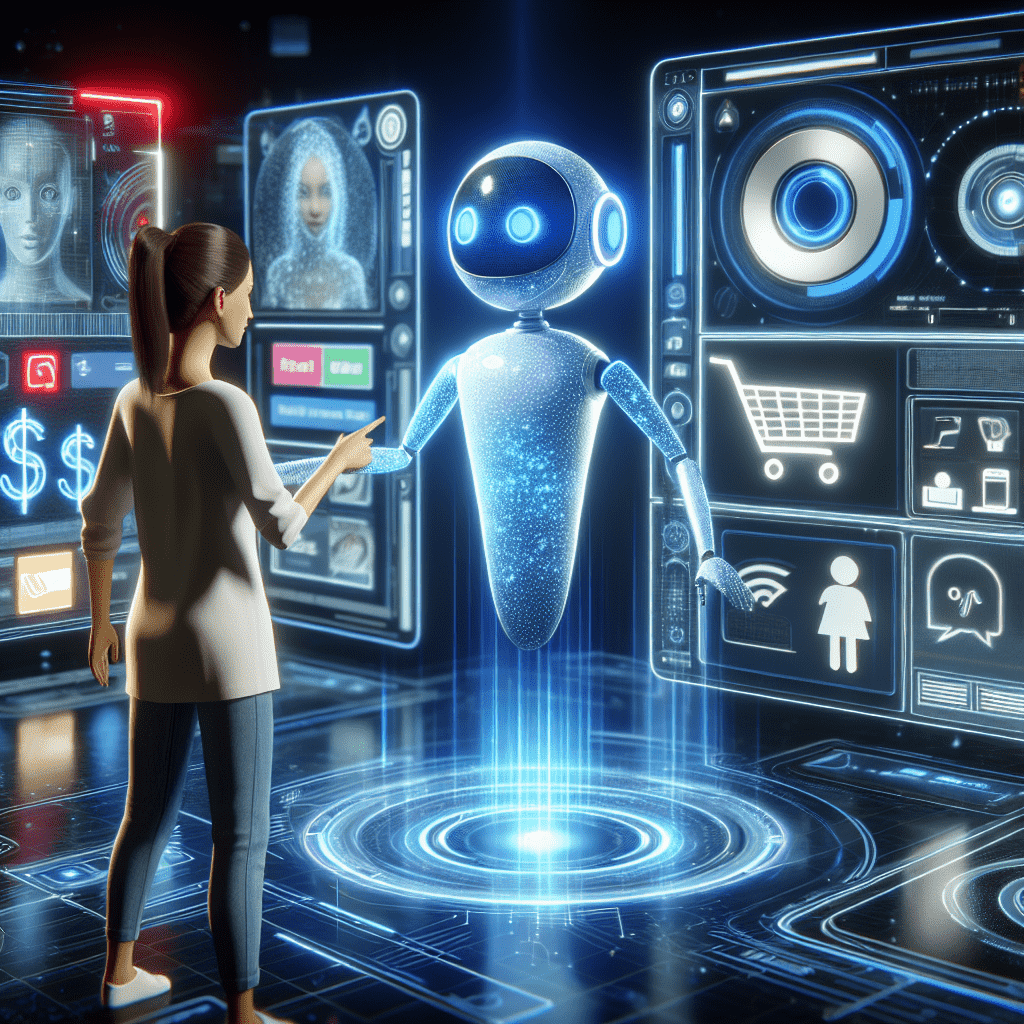
Understanding OpenAI’s Bold Move
In the ever-evolving landscape of artificial intelligence, OpenAI has made headlines for its ambitious plans to integrate e-commerce capabilities into its flagship product, ChatGPT. The idea was to create a seamless shopping experience where users could browse and purchase items directly through the chat interface, similar to how Amazon operates. However, recent news indicates that OpenAI is stepping back from this Instant Checkout feature, raising questions about the practicality and user acceptance of such an integration.
The Rise and Fall of Instant Checkout
Instant Checkout aimed to revolutionize the way users interacted with AI. By allowing purchases directly through ChatGPT, OpenAI sought to create a one-stop-shop experience, minimizing the need for users to navigate multiple platforms. The integration was intended to enhance user convenience, providing a streamlined process where product inquiries could lead directly to purchases.
However, as OpenAI has recently disclosed, the feature hasn’t garnered the traction they anticipated. Factors contributing to this setback include user skepticism about AI-driven purchasing and technical challenges in ensuring secure and efficient transactions. This shift away from Instant Checkout highlights the complexities of merging e-commerce with conversational AI, a field still in its infancy.
Why Didn’t It Work?
Several reasons can be attributed to the struggles of Instant Checkout:
- User Experience: Many users prefer the traditional shopping experience where they can see product details, reviews, and pricing before making a decision. The AI-driven approach may have felt rushed or impersonal.
- Trust and Security: E-commerce transactions require a high level of trust. Users might be hesitant to input payment details into a chatbot, fearing security risks.
- Market Readiness: The market for AI-driven shopping experiences is still developing, and consumers may not be ready to embrace this level of automation.
The Future of ChatGPT and E-Commerce Integration
Despite the setbacks, OpenAI’s exploration into e-commerce through ChatGPT is not entirely in vain. This experience serves as a valuable learning opportunity for the company. The integration of AI in retail is inevitable, but it requires a more nuanced approach that considers user behavior and preferences.
OpenAI might pivot their strategy by focusing on features that enhance user engagement without directly facilitating purchases. For instance, improving product recommendations, integrating user reviews, or offering comparative analyses could create a more robust shopping assistant experience without the immediate pressure of transaction.
Furthermore, as AI technology continues to evolve, we can expect improvements in security protocols and user interface design that may make future e-commerce integrations more appealing. Companies that adopt a phased approach, allowing users to gradually acclimate to AI-driven shopping, may find greater success.
Conclusion: A Lesson in Adaptation
The retreat from Instant Checkout reflects the broader challenges faced by tech companies navigating the intersection of AI and e-commerce. OpenAI’s willingness to reassess its strategy indicates a commitment to user-centric design, a crucial factor for long-term success.
As we look toward the future, the question remains: How will AI reshape our shopping experiences? Will we see a resurgence of initiatives like Instant Checkout, or will companies take a step back to refine their approach? Only time will tell, but one thing is certain: the journey toward AI-enhanced retail is just beginning.