The Future of AI Interfaces
In an era where artificial intelligence is becoming an integral part of our daily lives, the design of AI interfaces plays a crucial role in how users interact with technology. Recent news highlights the efforts of a former Apple designer who is now leading a groundbreaking initiative at Hark, a company poised to redefine personal intelligence products.
Hark’s Vision: Seamless Integration of Technology
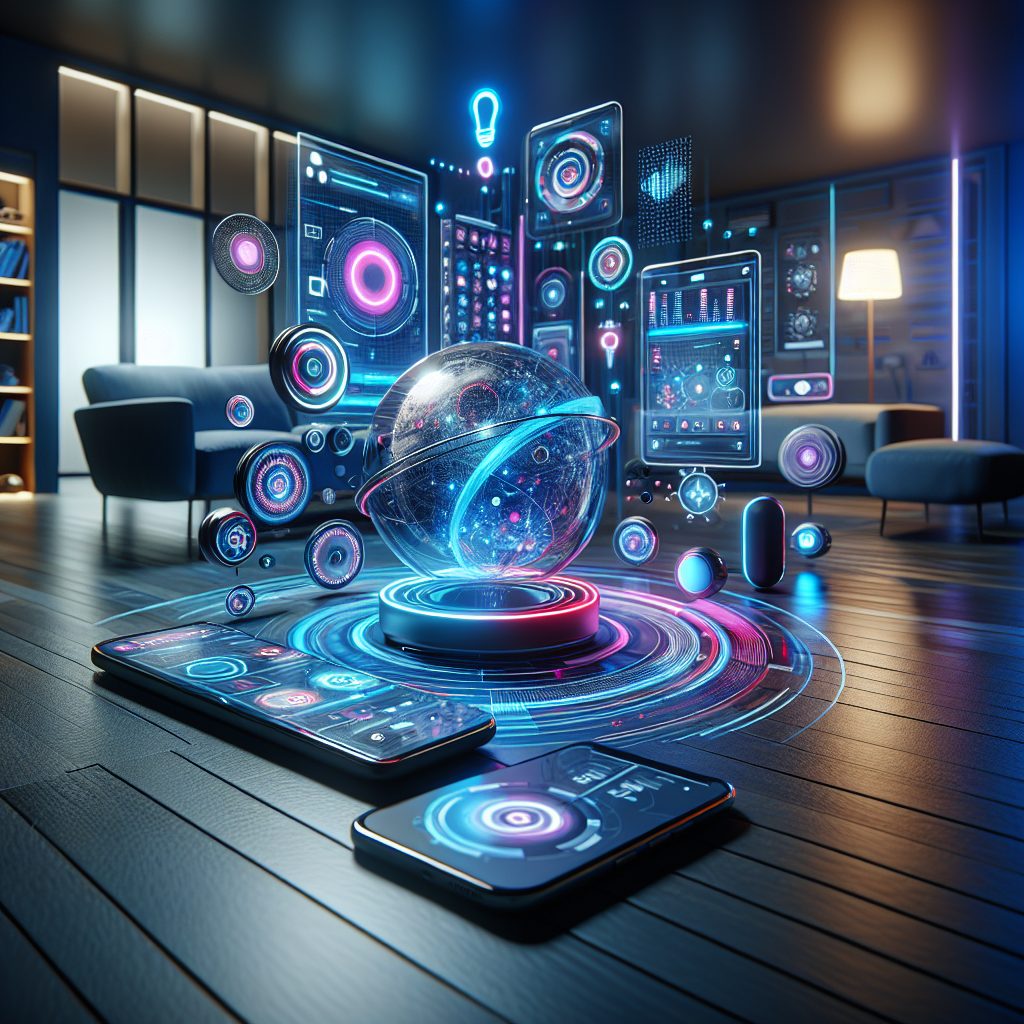
Hark aims to create an end-to-end personal intelligence product that seamlessly integrates models, hardware, and interfaces. This approach is reminiscent of Apple’s philosophy of creating a cohesive ecosystem where software and hardware work in perfect harmony. The goal is not just to enhance user experience but to create a product that feels intuitive and personal.
The Designer Behind the Vision
The former Apple designer at the helm of this project brings a wealth of experience and a deep understanding of user-centric design. At Apple, the focus was always on creating products that are not only functional but also aesthetically pleasing and easy to use. This designer’s transition to Hark represents a shift towards a more personalized approach to AI technology.
What Makes Hark Different?
Hark’s commitment to designing models, hardware, and interfaces in tandem is what sets it apart from many other tech companies. Traditional AI development often separates these elements, leading to disjointed user experiences. Hark’s holistic approach could provide a more cohesive and satisfying interaction for users, making technology feel less like a tool and more like a partner.
The Impact of Personal Intelligence
The concept of personal intelligence is gaining traction as consumers seek products that adapt to their individual needs. With Hark’s initiative, we may see a future where AI interfaces learn from user behavior, preferences, and contexts to offer tailored experiences. Imagine a digital assistant that not only understands your commands but also anticipates your needs based on previous interactions.
Future Predictions: Where Are We Headed?
As we look to the future, the AI landscape is poised for significant transformation. Hark’s innovative approach could inspire other companies to rethink their AI strategies, leading to a wave of personalized technology solutions. We may soon witness a proliferation of devices and services that are not only smarter but also more attuned to the emotional and contextual aspects of user interactions.
In conclusion, the work being done at Hark under the guidance of a visionary designer is more than just about creating a new AI interface. It represents a shift towards a more empathetic and personalized technology ecosystem. As consumers become increasingly aware of the importance of intuitive design and seamless integration, the demand for such products will only continue to grow. The future of AI is not just about intelligence; it’s about understanding.