
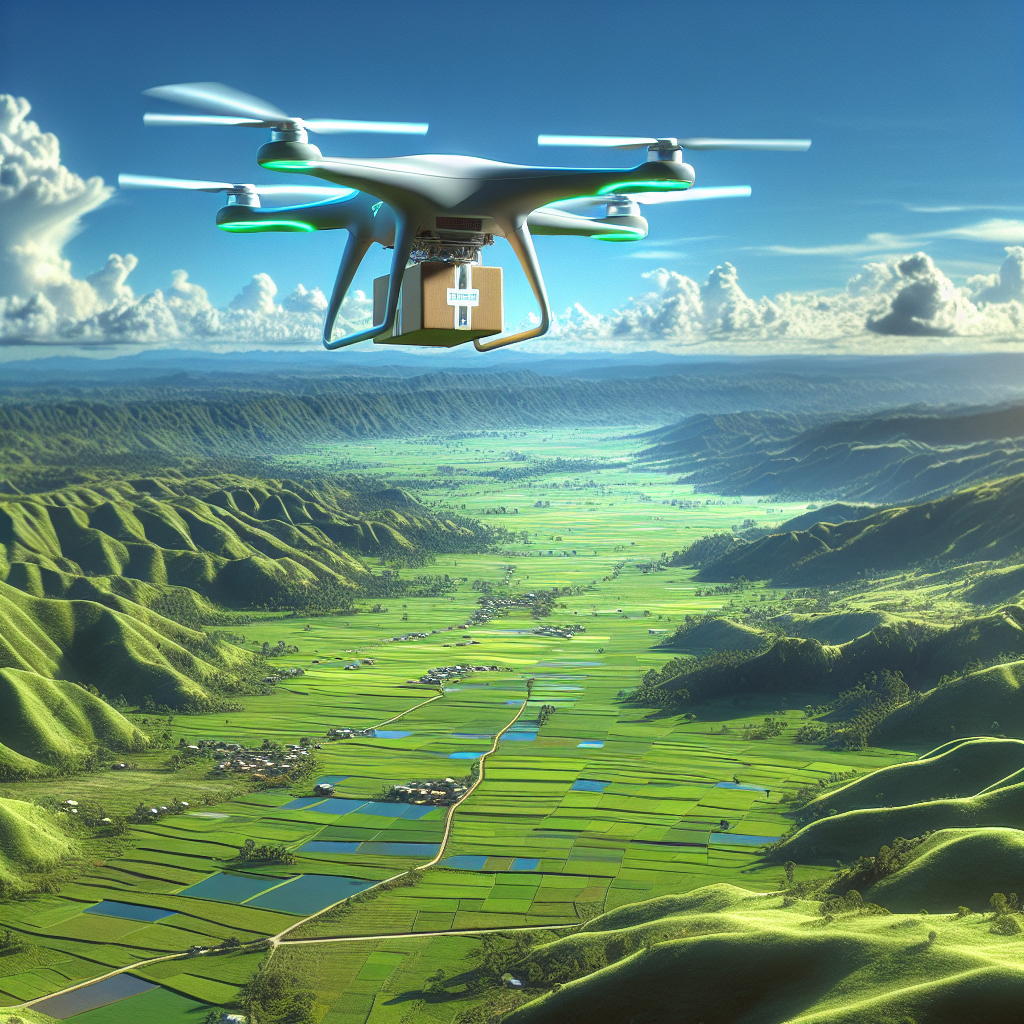
Zipline’s Bold Move in the Drone Delivery Market
In an era where technology is constantly evolving, Zipline, a trailblazer in drone delivery services, has made headlines once again by securing an impressive $200 million in funding. This latest financial boost comes on the heels of a previous funding round in January, which valued the innovative startup at a staggering $7.6 billion. With this new capital, Zipline is poised to expand its operations and further disrupt the logistics landscape around the globe.
The Rise of Zipline and Drone Delivery
Zipline has emerged as a leader in the drone delivery sector, primarily focusing on delivering essential medical supplies to remote and underserved areas. The company’s revolutionary approach has already proven its efficacy in countries like Rwanda and Ghana, where drones have successfully transported blood, vaccines, and other critical medical supplies, drastically reducing delivery times and saving countless lives.
The latest funding round reflects the growing confidence in drone technology as a viable solution to logistical challenges. Investors are increasingly recognizing the potential of drone delivery to not only enhance operational efficiency but also to provide critical services in regions where traditional delivery methods are impractical.
What This Funding Means for the Future
With the additional $200 million, Zipline plans to ramp up its fleet of drones, enhance its technology, and expand its service offerings. This expansion will likely include new partnerships with healthcare providers and governments around the world, positioning Zipline as a key player in the global healthcare logistics market.
- Expansion into New Markets: Zipline is expected to target additional countries, especially those in need of efficient healthcare solutions.
- Technological Advancements: The funding will support research and development, leading to more advanced drone capabilities, including improved navigation and payload capacity.
- Increased Competition: As Zipline grows, it may spark competition among other tech companies, prompting them to innovate in the drone delivery space.
The Bigger Picture: Drones in Logistics
The investment in Zipline is not just about one company’s growth; it represents a larger trend in logistics and e-commerce. As consumer demands for faster delivery times grow, companies are exploring various methods to streamline their operations. Drones offer an appealing solution, capable of bypassing ground traffic and reaching remote locations with ease.
Moreover, as cities become more congested, the need for alternative delivery methods will only increase. Zipline’s success could inspire other startups and established firms to develop their own drone delivery systems, potentially leading to a significant shift in how goods are transported. This trend could also intersect with advancements in artificial intelligence, allowing for smarter logistics solutions that optimize delivery routes in real-time.
Conclusion: A Bright Future for Zipline
As Zipline prepares to soar to new heights with its recent funding, the future looks promising not only for the startup but also for the broader logistics industry. The implications of drone delivery extend beyond mere convenience; they could redefine how we think about access to essential services, especially in underserved areas.
In conclusion, with continued investment and innovation, we can expect Zipline to lead the charge in transforming the logistics landscape. As the world embraces these advancements, it will be exciting to see how drone technology evolves and the positive impact it will have on global health and logistics.