
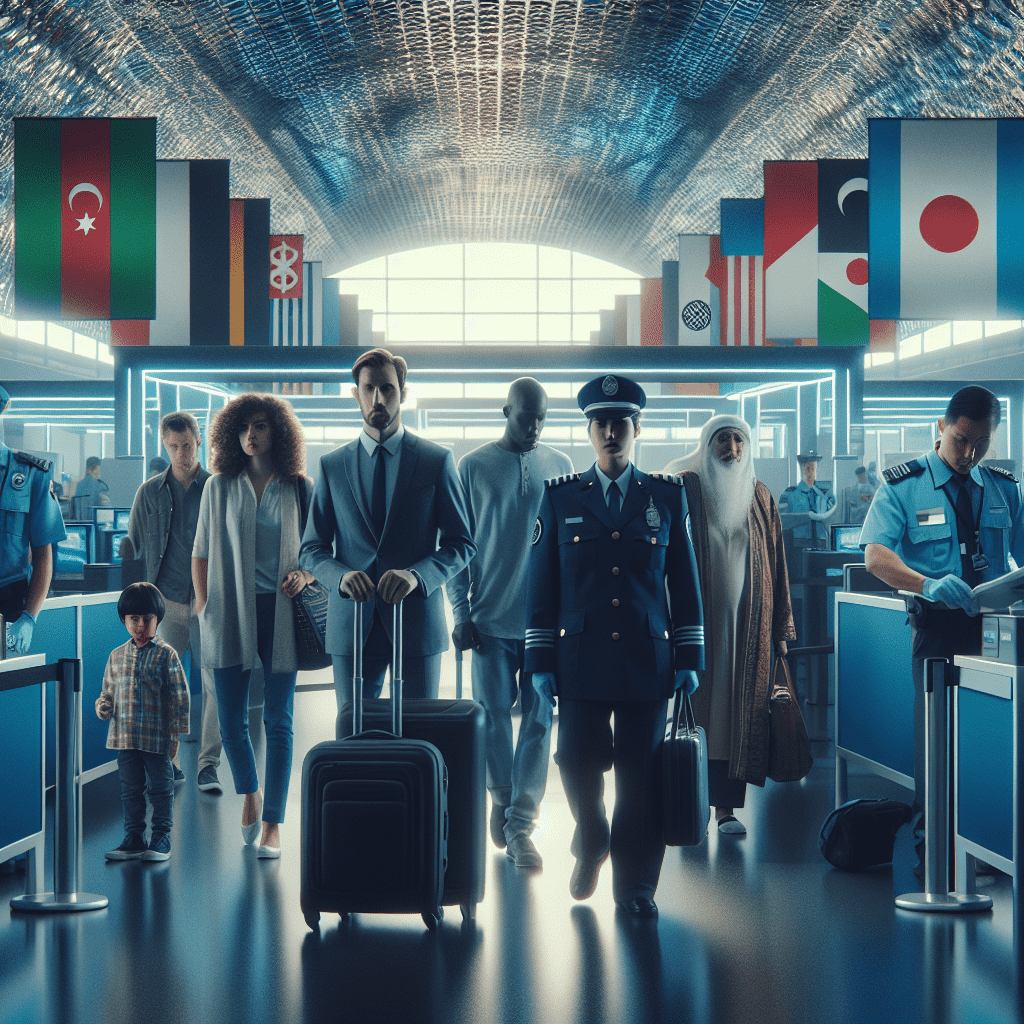
The Intersection of Immigration Policy and Travel
In a controversial move, the Trump administration has deployed Immigration and Customs Enforcement (ICE) agents to over a dozen U.S. airports, citing security line delays caused by a prolonged federal shutdown. This decision has sparked a wave of concern among travelers and civil rights advocates, as it raises questions surrounding the intersection of federal law enforcement and the right to travel freely.
Security Line Delays: A Growing Concern
As travelers across the nation experience increased wait times at airport security checkpoints, the administration argues that the presence of ICE agents will help facilitate smoother operations. The rationale is that by managing security line delays, the government can enhance overall travel efficiency. However, critics are quick to point out that the deployment of ICE agents in airports could lead to heightened fear and anxiety among travelers, particularly among immigrant communities.
Eyewitness Accounts: A Glimpse into the Reality
Eyewitnesses at San Francisco International Airport recorded an incident where an ICE arrest unfolded in real-time, further igniting the debate over the appropriateness of such actions in travel hubs. While some may argue that enforcing immigration laws is a necessary measure, others believe that airports should remain safe spaces for all individuals, regardless of their immigration status.
Public Reaction: A Divided Opinion
The public reaction to the presence of ICE agents in airports is decidedly mixed. Supporters of the administration’s strategy argue that it is a vital step in maintaining national security and addressing illegal immigration issues. On the other hand, many fear that this move could create a chilling effect on travel and disproportionately target marginalized communities. Social media platforms are alive with discussions, with hashtags like #AbolishICE trending as activists mobilize against this policy.
The Legal Implications: What Does This Mean for Travelers?
Legally, travelers have the right to be free from unreasonable searches and seizures, but the presence of ICE agents raises questions about what constitutes reasonable in the context of airport security. The American Civil Liberties Union (ACLU) has already voiced concerns that this may lead to racial profiling and unwarranted detentions. As travelers navigate the complexities of security protocols, they must also be aware of their rights in such scenarios.
Looking Ahead: The Future of Air Travel and Immigration Policy
As we move forward, it will be critical to monitor the implications of this decision on both air travel and immigration policy in the United States. Will the deployment of ICE agents lead to smoother operations at airports, or will it create an atmosphere of fear that discourages travel? Additionally, how will this affect the broader discourse on immigration reform and civil liberties?
In conclusion, while the intention behind deploying ICE agents may stem from a desire to alleviate security delays, the repercussions could be far-reaching. We must advocate for a balance that ensures both security and the rights of individuals, paving the way for a more inclusive travel environment.