
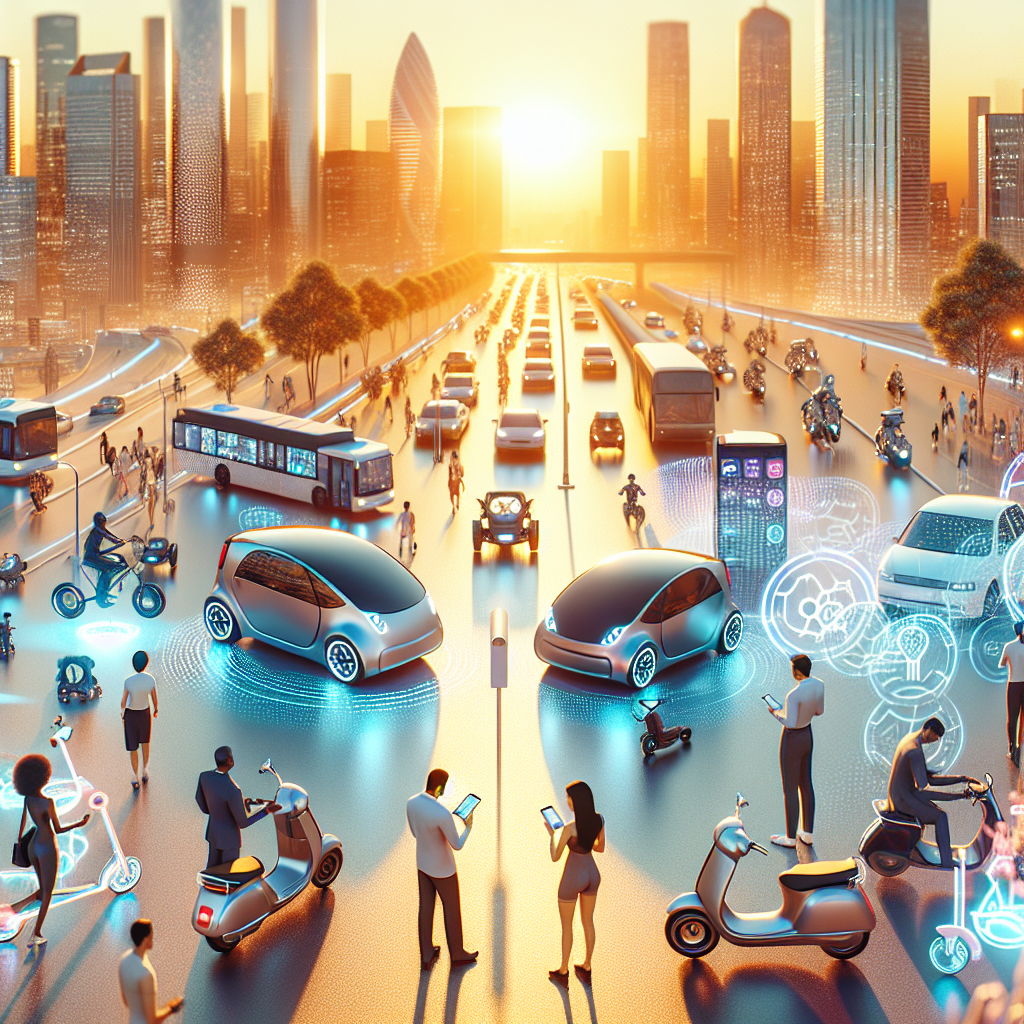
Welcome to the Era of On-Demand Transportation
The landscape of urban mobility is undergoing a seismic shift, as ride-hailing services like Uber redefine how we navigate our cities. With the rise of technology, the demand for convenience, and an ever-increasing population, the concept of transportation is evolving at breakneck speed. This blog post explores how Uber is becoming ubiquitous in our daily lives and its implications for the future of mobility.
Uber’s Journey: From Startup to Global Giant
Founded in 2009, Uber started as a simple idea: to provide a more convenient way to hail a cab. Fast forward to today, and Uber has transformed into a multi-billion dollar company, expanding its services to include food delivery, freight shipment, and even autonomous vehicles. This growth has not only changed the way we think about transportation but has also set the stage for other tech-driven mobility solutions.
The Impact of Technology on Urban Mobility
Technology has played a pivotal role in the evolution of transportation. The integration of GPS, mobile apps, and real-time data analytics has made it easier than ever for users to access rides at their fingertips. This has led to a more efficient transportation system, reducing wait times and optimizing routes.
- Convenience: With just a few taps on your smartphone, a ride can be at your doorstep within minutes.
- Affordability: Competitive pricing has made ride-hailing services an attractive alternative to traditional taxis.
- Accessibility: Services like Uber have increased access to transportation, especially in underserved areas.
The Global Expansion of Uber
Uber’s influence is not confined to the United States. The company has made its presence felt in markets across the globe, adapting its services to meet local needs. In regions where public transportation is unreliable, Uber has filled a critical gap, providing reliable and affordable options for commuters.
Challenges and Controversies
Despite its success, Uber has faced numerous challenges, including regulatory hurdles, safety concerns, and competition from local ride-hailing companies. Moreover, the gig economy model employed by Uber raises questions about workers’ rights and job security. As the company continues to expand, it must navigate these challenges to sustain its growth and maintain user trust.
Future Predictions: Uber and Beyond
As we look to the future, the intersection of technology and transportation promises exciting developments. Here are a few predictions:
- Autonomous Vehicles: Uber is investing heavily in autonomous vehicle technology, which could drastically reduce operational costs and improve safety.
- Integration with Public Transit: Future versions of Uber may work alongside public transportation systems to create seamless journeys for users.
- Environmental Initiatives: With the push for sustainability, Uber may enhance its electric vehicle offerings and promote eco-friendly transportation options.
As Uber continues to expand its footprint in the transportation sector, it remains to be seen how the company will adapt to the changing landscape. However, one thing is clear: the future of mobility is on-demand, connected, and increasingly integrated into our daily lives.